
Explore our moving home guides
Ensure a seamless move with HOLD
Everything you need for a stress-free move

Moving House Checklist
The complete moving house checklist for 2026. From instructing a solicitor to your first night in the new home, with practical advice from a lettings agent, a removals specialist, and a professional declutterer.

What's the cost of moving house in 2026?
Costs can swing depending on timing, access, and how much you’re moving. Learn what typically affects removals quotes, where add-ons creep in, and how to keep the budget under control.

Where to find free and cheap moving boxes
When you're prepping for a move, boxes are one of the first things you’ll need. And in most cases, you’ll always need more than you think. Get them sorted early and the rest of the move runs smoother. The guide below shares a few reliable ways to pick up boxes without spending much.

Moving house storage in London
Moving house in London rarely goes to one clean plan. Secure storage with 24/7 access, free van hire, and no long-term contract, for every stage of your move.




Moving with extra considerations

Moving house with kids (without the meltdowns)
How to talk to children about moving, keep them involved on the day, and help them settle into a new home without the stress.

Moving home with pets (without the panic)
How to keep dogs, cats, and other pets calm during a house move, from moving day itself to settling into the new home.

Moving home while pregnant: ensure a safe, stress-free move
Practical advice on timing your move, what to delegate, and how to stay safe and organised when moving home during pregnancy.



How storage works during a house move
Learn how HOLD supports your move
How self storage can help people moving home
Moving home in London rarely goes exactly to plan. This video covers how self storage can take the pressure off when completion dates don't align, you're downsizing, or you need space before a renovation.
How secure is self storage in London?
15:55Claude responded: Worried about leaving your belongings in storage during a move?Worried about leaving your belongings in storage during a move? This video walks through everything HOLD does to keep your items safe, from individually alarmed units to 24/7 CCTV and nightly security checks.
Can I access my storage unit 24/7?
Life doesn't always move at a convenient hour, and neither does a house move. This video explains how HOLD's 24/7 access works, including how to request it and what to expect when you arrive outside standard hour
What items can I store in a self storage unit?
From furniture and appliances to business stock and seasonal kit, this video covers what's welcome in a HOLD unit, what isn't, and how to prepare your belongings before they go in.
Meet the experts
Hear from London's home moving experts

Chris Nguyen
Partner, Head of King's Cross Lettings
Chris Nguyen joined Knight Frank’s Canary Wharf lettings team as a negotiator in 2017. He enjoyed a stellar 2021 for the firm, and broke the record for the most deals agreed in a financial year. Promoted to Associate later that year, he is now Head of Lettings for Knight Frank in its King’s Cross office.

Paul Westcott
Founder - Relōku Removals
Paul is the founder/operator of Relōku, an award-winning urban moving/logistics platform that uses cutting-edge technology to help Londoners access removals, quickly.

Frederick de Ryckman de Betz
Founder, HOLD Storage & Former Chair, Self Storage Association UK
Fred has been in the self storage business since 2006. In recent years he has also been the chairman of the Self Storage Association (SSA) and former Vice President of FEDESSA. After leaving his previous company, and seeing out his restrictive covenant, he became a co-founder of HOLD in September 2023.


Thinking of moving to London? We got you

Explore our London area guides
Neighbourhood guides for some of London's most popular places to live, with area-by-area overviews to help you work out where to move before you commit.
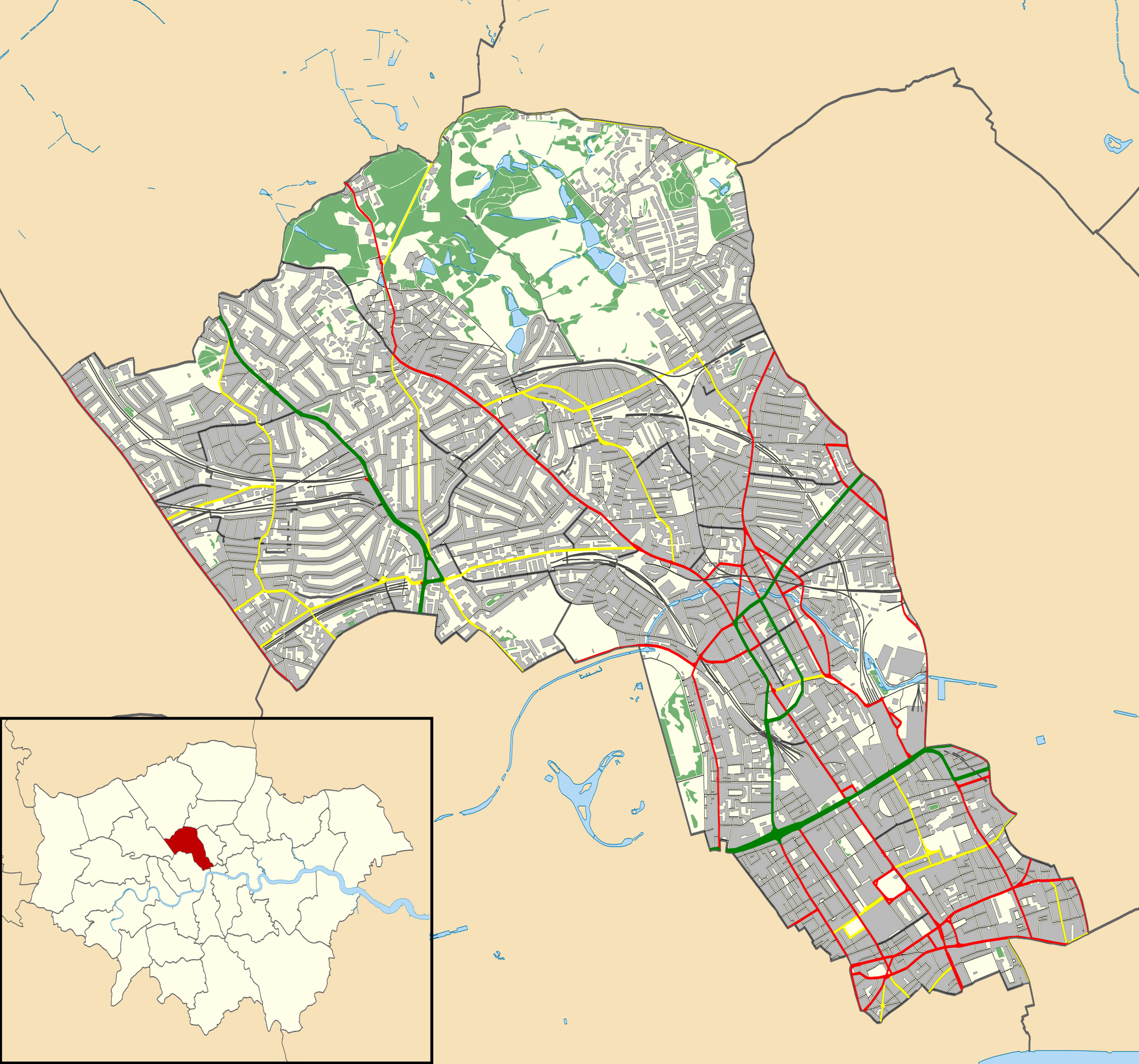
Moving to Camden? Here's what you need to know
Everything you need to know before moving to Camden: transport links, property prices, schools, green spaces, and what the neighbourhood is actually like day to day.

Living in Islington: an area guide to the London borough
Transport, property, schools, and what day-to-day life in Islington actually looks like before you decide to move.
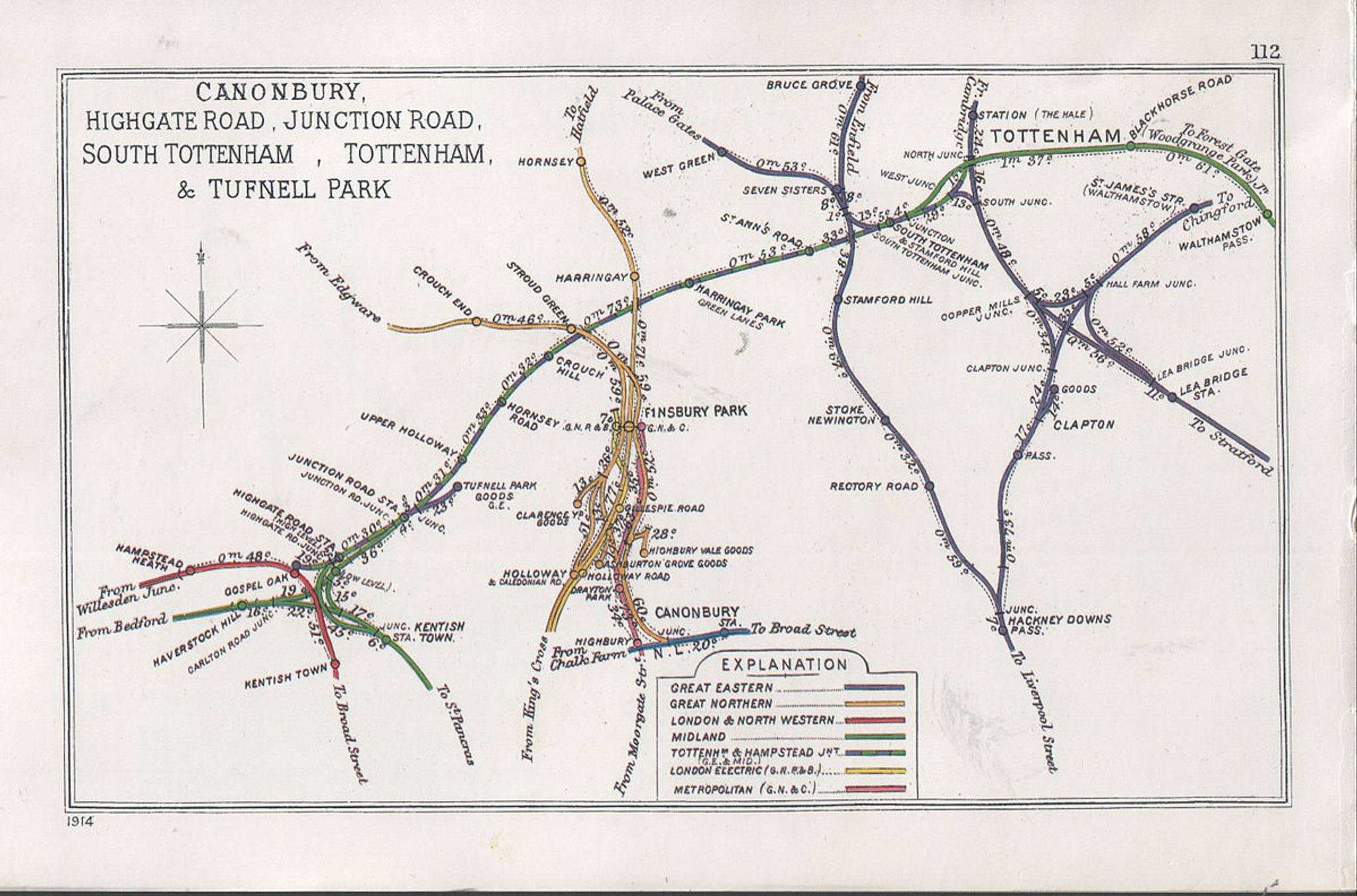
Living in Tufnell Park: an area guide
A quiet North London neighbourhood with Victorian streets, good schools, and fast Northern line access. Here's what living in Tufnell Park is actually like.

A guide to living on Caledonian Road, North London
One of North London's most characterful streets, The Cally blends Victorian terraces, independent eateries, and easy Tube access. Here's what living here is really like.
Self Storage services offered at HOLD
faqs
Most people underestimate how long the process takes. From accepting an offer to getting keys, the average UK completion takes 12 to 16 weeks. Start planning removals, storage, and packing at least eight weeks before your target moving date, earlier if you're in a chain.
As a rough guide, a local move for a one to two bedroom home typically costs between £300 and £600 for a removal company. A three to four bedroom home can range from £600 to £1,500. Add solicitor fees, survey costs and stamp duty and the total cost of moving rises significantly. Getting three quotes and planning early is the most reliable way to keep costs under control.
Most people need more time than they expect. A one bedroom flat typically takes one to two days of focused packing. A three bedroom house can take three to five days. Starting with non-essentials, like books, seasonal items and spare rooms, at least two weeks before moving day makes the final stretch much more manageable.
Spring and early summer tend to be the most popular times to move, with Fridays being the busiest day of the week. Moving in the middle of the week or in autumn can mean cheaper removal rates and more availability. Avoid peak school holiday periods if you can, as removal companies book up quickly.
Look for companies that are members of the British Association of Removers, read recent reviews, and always get at least three written quotes. Ask whether they include packing materials, whether their quote covers parking permits or congestion charges, and what their policy is if your completion date changes.
Not always, but it helps more often than people expect. If there's a gap between leaving your old property and moving into your new one, self storage gives you somewhere secure to put your things without relying on friends' spare rooms or paying for a second removal. Most people use storage for two to eight weeks during a move.
The list is longer than most people plan for. Priority changes include your bank, HMRC, the DVLA, your GP, and the electoral roll. You should also update your employer, pension provider, insurance policies, and any subscription services. Setting up a Royal Mail redirect for six to twelve months catches anything you miss.
Book your removal company and storage unit early, order packing materials before you start boxing things up, confirm your completion date with your solicitor, notify your utility providers, and make sure your removal company knows the address and any parking or access details at both ends. Our moving house checklist covers everything in order.