
The trading is only half the job. This guide covers the other half: where London's traders keep stock and kit between markets, and how to set up a base that works.
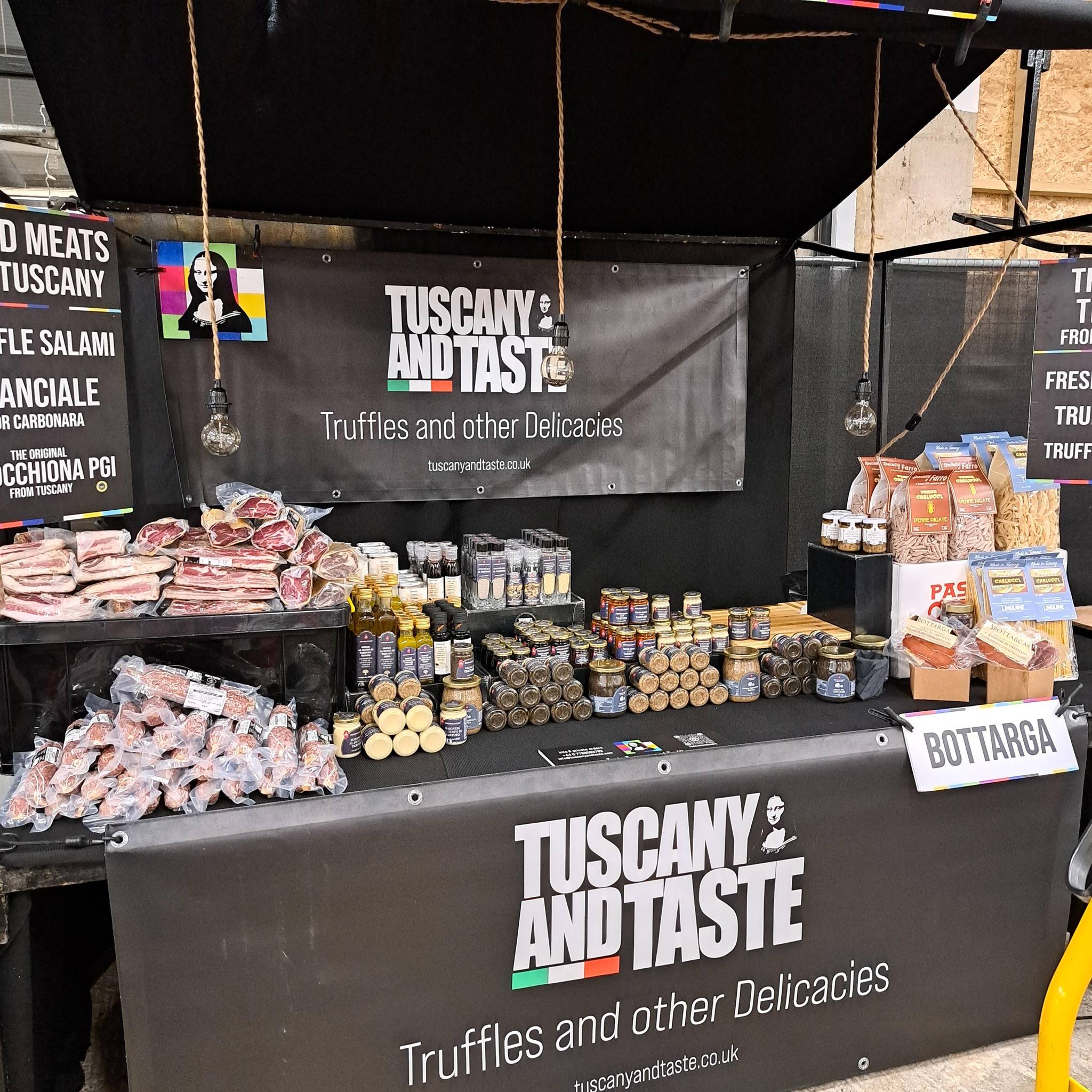
We store stock and stall kit for London market traders week in, week out. Whatever your market days are, the rhythm is familiar: load the van, trade, pack down, return, restock.
Between markets, the stock and the kit still need a home. This guide covers how to sort that properly: what traders store, what the weekly routine demands from a facility, and where HOLD fits in.

Make market mornings run smoother
What do London market traders store?
Two things, and most self storage pages only ever address the first.
Stock and inventory
The products themselves: food, vintage clothing, handmade goods, antiques, craft items, imported produce and drink. Knowing what you have, what you've sold, and what needs restocking before the next market is what separates traders who scale from those who don't.
Stall equipment
The kit that travels to every event: gazebos, folding tables, display stands, signage, packaging materials, tape, boxes. It's bulky, awkward to keep at home, and needs to be accessible early on market mornings.
Where do market traders keep their stock?
Most traders start at home: the spare room, the hallway, the garage if there is one. It works until the range grows or the kit does. From there the options are usually a rented lock-up or self storage.
Lock-ups vary a lot. Security is often a basic lock and not much else, damp is a common problem for anything fabric or food-adjacent, and there's nobody to take a delivery.
Self storage costs a similar amount in much of London, with alarmed units, stable conditions, and a reception that signs for your stock when you're not there.
What market traders need from a storage facility
The weekly routine sets the requirements. Early access on market mornings, easy van loading, somewhere secure enough to leave a full setup between events, and conditions that won't damage stock, especially for food traders. Most facilities cover one or two of these. The ones worth paying for cover all of them.
HOLD covers all of it (and more):
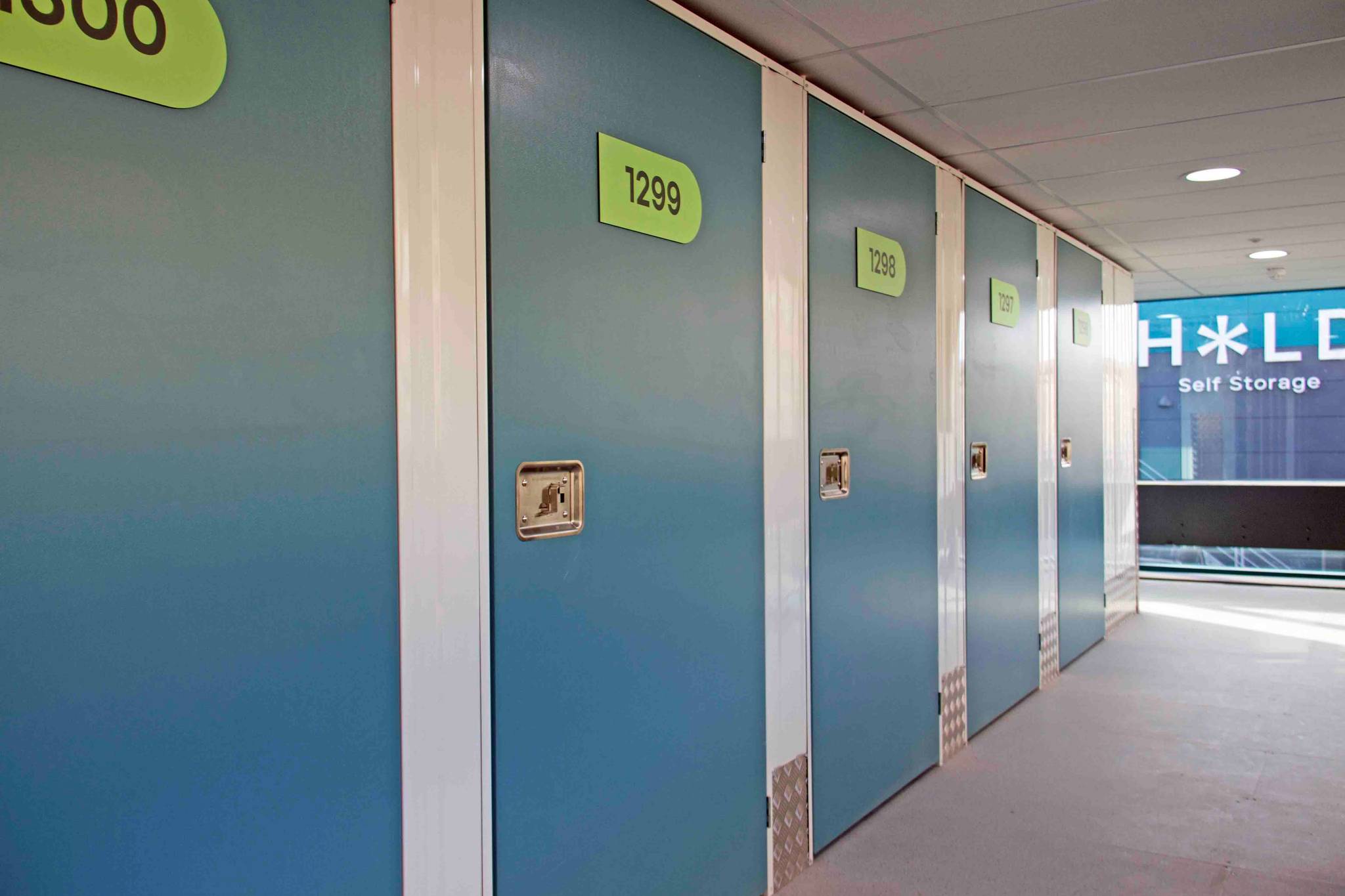
Why market traders use HOLD
- 24-hour access storage, free on request
- Drive-up access, off-street parking and covered loading bays
- Trolleys and pallet trucks on site
- Kings Cross facility outside the congestion charge zone
- Climate-secure units for food and temperature-sensitive stock
- No long-term lease, no business rates, units from 10 sq ft
Every unit is individually alarmed, with CCTV across the facility. Load up early, trade all day, and drop everything back whenever the market finishes.
Four tips

Keep the stall kit by the door
Gazebo, tables, weights and signage load first and come back last. If they're at the front, you're not climbing over stock at 6am to reach them.

Shelve by market, not by product
Trade a different circuit on Saturday and Sunday? Group the boxes by which market they're going to. Loading becomes grab-and-go instead of picking through everything.

Restock on the quiet days
Use the quiet days to top up trays, label prices and repack what came home. Market mornings are for loading, not sorting.

Send supplier deliveries straight to the unit
HOLD accepts stock at reception and holds it until you're in next, so restocking happens on your schedule rather than around a courier's.
Which markets can you trade from HOLD?
HOLD's Kings Cross facility sits inside the circuit London traders actually work: some markets a short drive away, others across the city but comfortably reachable by van, with no congestion charge on the way out.
And Kings Cross is just the start. HOLD facilities are opening soon in Chiswick, Croydon and Woodford, putting West, South and East London traders closer to a base of their own.
Explore our guide to London's markets
London market guides


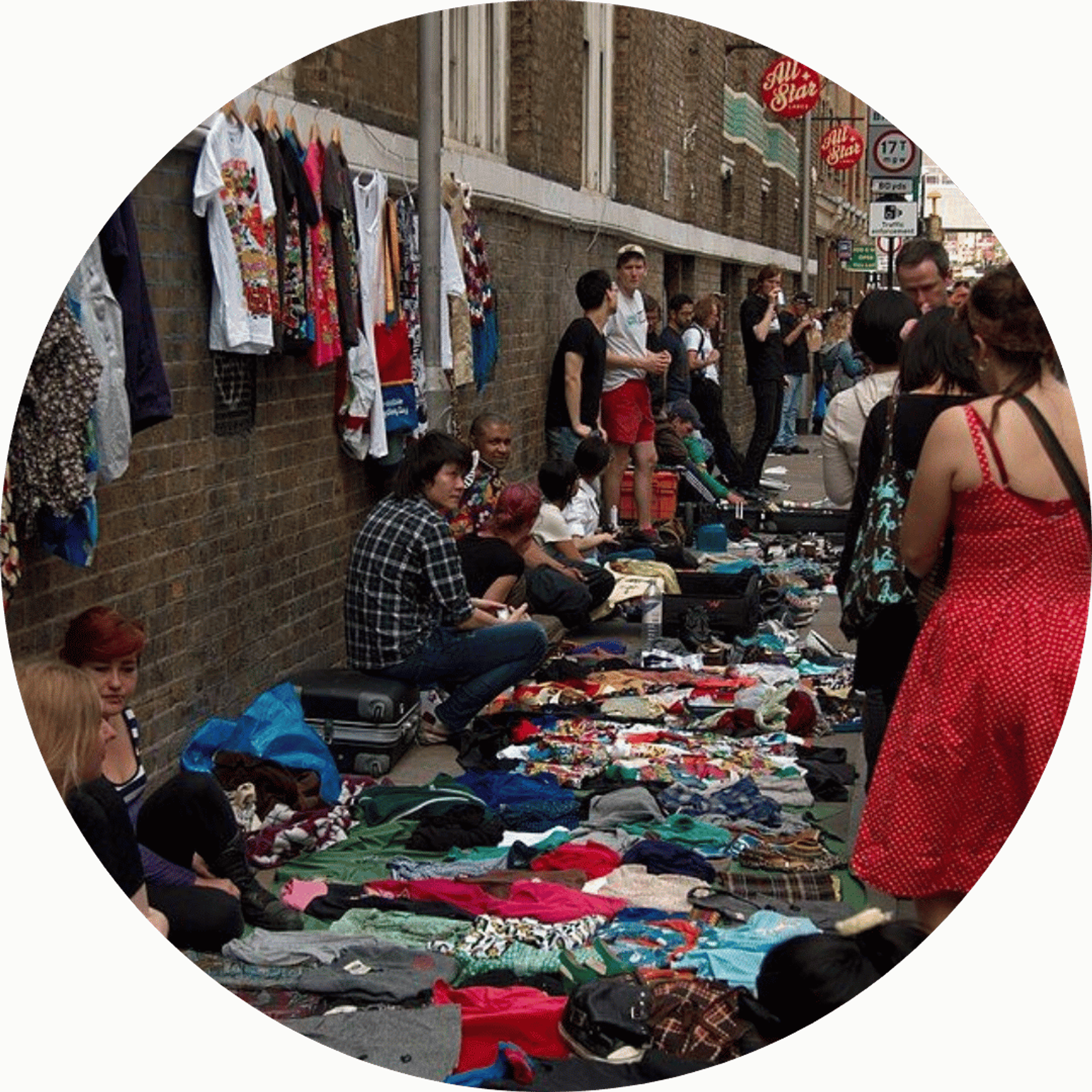

A unit that grew with the stall
Tuscany & Taste: scaling a market business from one unit
Tuscany & Taste is run by Egizia and Marco, who import and sell premium Italian truffles and cured meats at Broadway Market, Brick Lane's Upmarket and Wembley Park Farmers Market. Their 150 sq ft unit stores their full product range alongside all their market equipment: gazebos, tables and high chairs.
They started at 25 sq ft and moved through 50 and 75 sq ft as demand grew, each step on flexible monthly terms without disrupting trading. Marco puts it simply: more products coming in, more options to sell, and a unit that's 10 minutes from home.

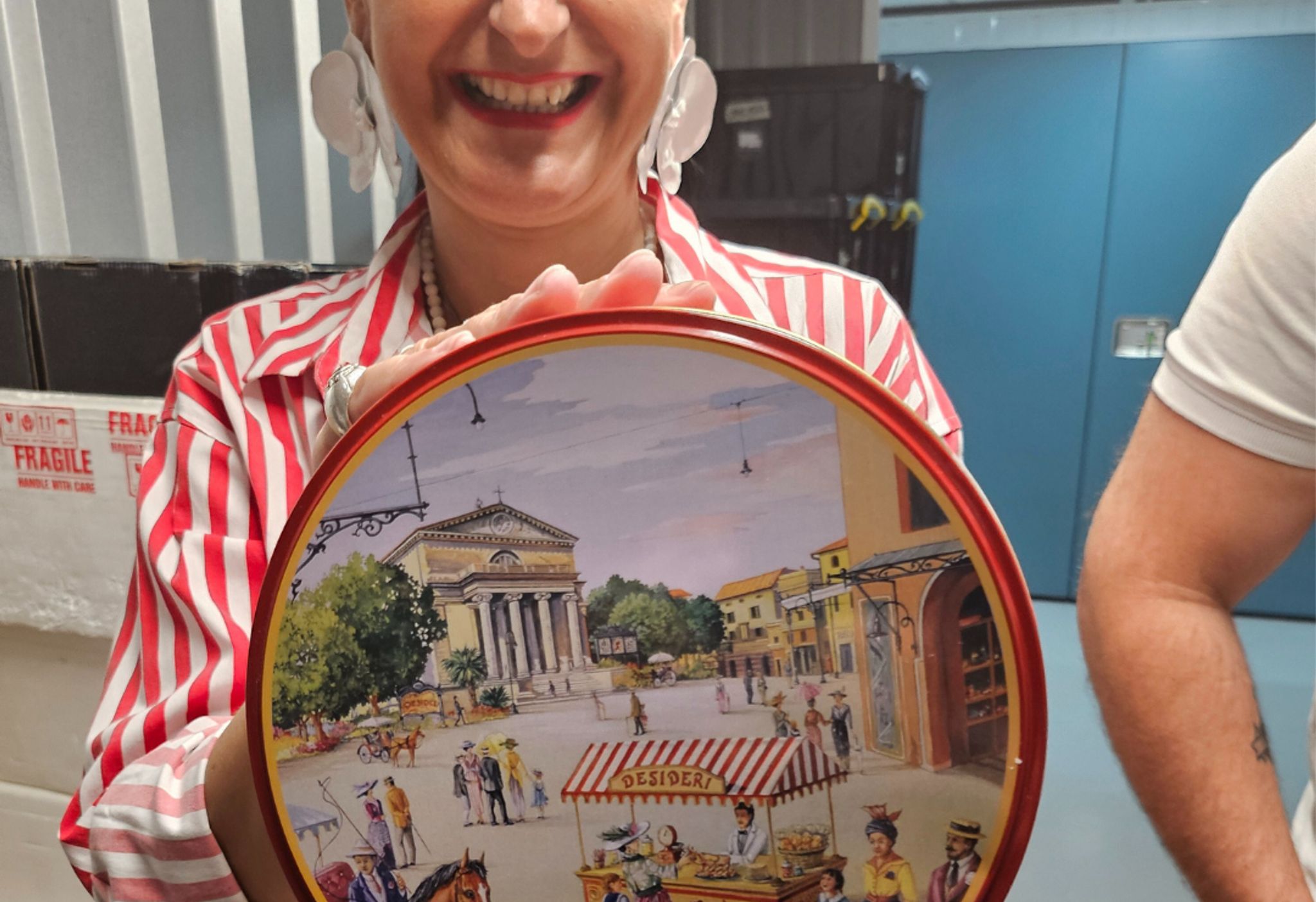

Scale up as your market business grows
Most traders start with one event a week and a small unit. As the markets multiply and the product range grows, the unit needs to keep pace. Monthly billing, no long-term lease, and no penalty for changing size, the same flexibility that helped Tuscany & Taste.
"We started with just 25 square feet. Then 50, then 75, and now 150. It's a good sign that the business is growing. We have more products coming in, more options to sell."
Marco, Tuscany & Taste
Use the storage unit size guide to work out what you need now. For storage costs, check our guide to the current prices for each size before you commit.
faqs
Yes, though it's worth knowing there are two separate things to cover. Public liability insurance, protecting you if a customer or member of the public is injured or affected by what you sell, is arranged separately through a specialist provider or a body like the National Market Traders Federation. This is usually required by the market itself before you can trade.
Your stock and stall equipment while they're in storage are a different matter. HOLD's StoreProtect covers what's in your unit between events. It's worth checking both are in place, they cover different things and neither replaces the other.
Yes. Many HOLD market trader customers use their unit for both, keeping stock and stall equipment like gazebos, tables and display kit together. Shelving configuration and unit size can be adjusted to fit different combinations.
Yes. 24-hour access storage is available on request at no extra cost, activated the same day during reception hours. Drive-up access, off-street parking and loading bays make early van loading straightforward.
No. The facility at 260-276 York Way sits outside the congestion charge zone, relevant for traders making regular van runs into central London.
Yes. HOLD accepts deliveries at reception and holds them securely until you collect. You don't need to be present for every delivery.
No. HOLD operates on flexible monthly terms with no long-term lease. You can upsize, downsize or move out as your trading schedule changes.