
How London's online sellers use self storage to run their businesses: what it costs, how deliveries work, and when it beats a warehouse or fulfilment company

Most online businesses start at home. Then the stock takes over, the kitchen table becomes a packing station, and missed deliveries start costing sales.
At that point the choice isn't a warehouse lease or a fulfilment company. It's a flexible base where the stock lives, deliveries arrive, and orders go out. This guide covers how that works in practice: what it costs, how deliveries are handled, and when self storage makes more sense than the alternatives.

Get your stock out of the spare room
What is ecommerce storage?
Ecommerce storage is wherever an online business keeps its stock before it ships to customers. For most sellers that journey starts at home, then moves through self storage as orders grow, with 3PL (Third-Party Logistics) fulfilment and warehouse rental at the far end for high-volume operations.
With 3PL, a third party picks and packs on your behalf and you have limited access to your own inventory. Warehouse rental means long leases, large minimum sizes and business rates. Self storage sits between the two: you keep your stock, your schedule, none of the overhead.
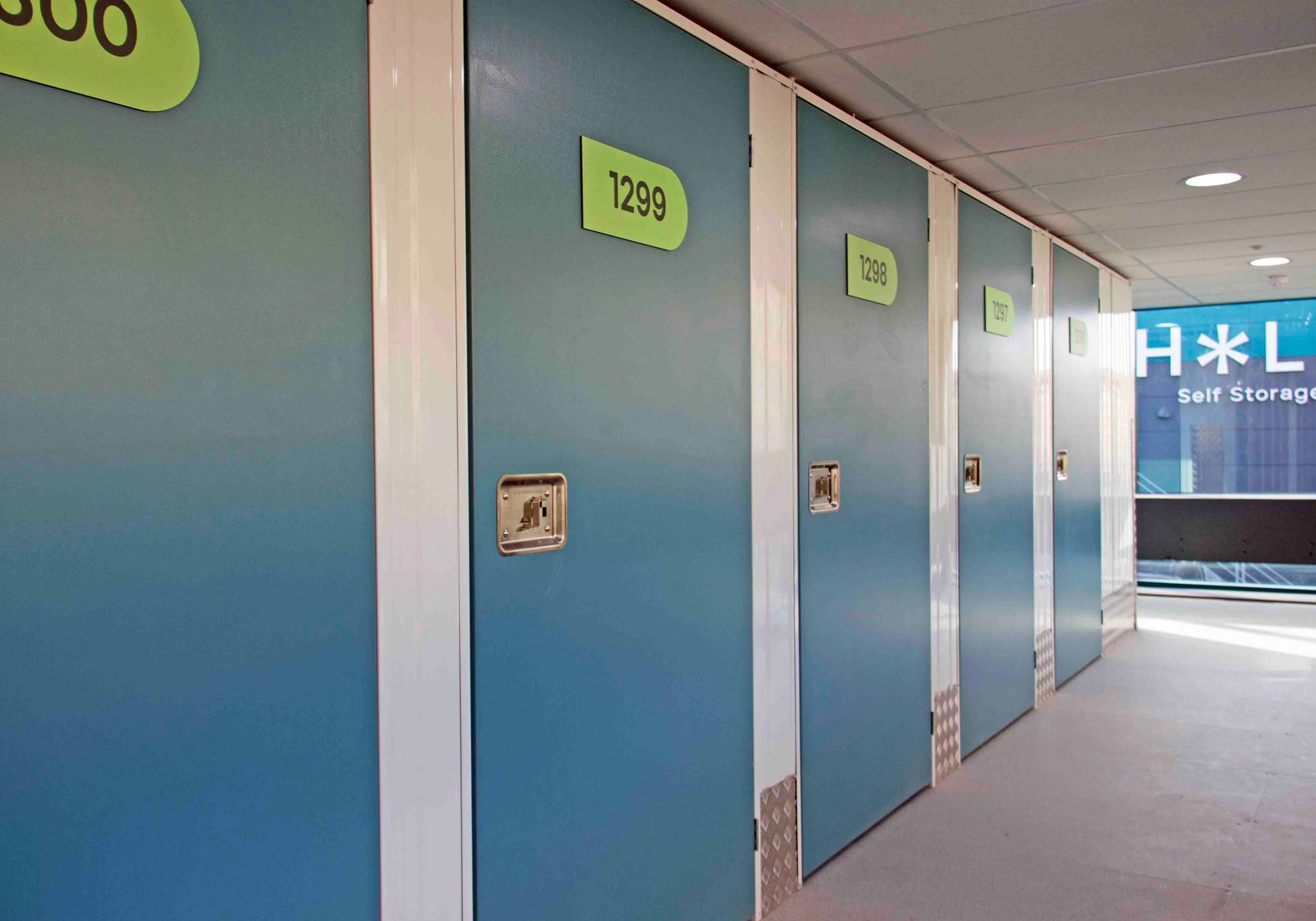
That gap arrives faster in London than almost anywhere else. Money buys less space here: the same budget that gets a five-bedroom house in the North East gets a one-bedroom flat in London, most of it already spoken for before stock enters the picture. That's exactly the gap HOLD is built around: sellers who've outgrown home but don't need a warehouse.
Who uses ecommerce storage in London?
Online selling covers a lot of ground, and so do the businesses using storage to run it. The typical HOLD customer here is one or two people, somewhere between a side hustle and a full-time operation:
- eBay, Amazon and Vinted resellers
- Etsy makers and handmade sellers
- Vintage traders scaling up from Facebook Marketplace
- Small direct-to-consumer brands that have outgrown the spare room
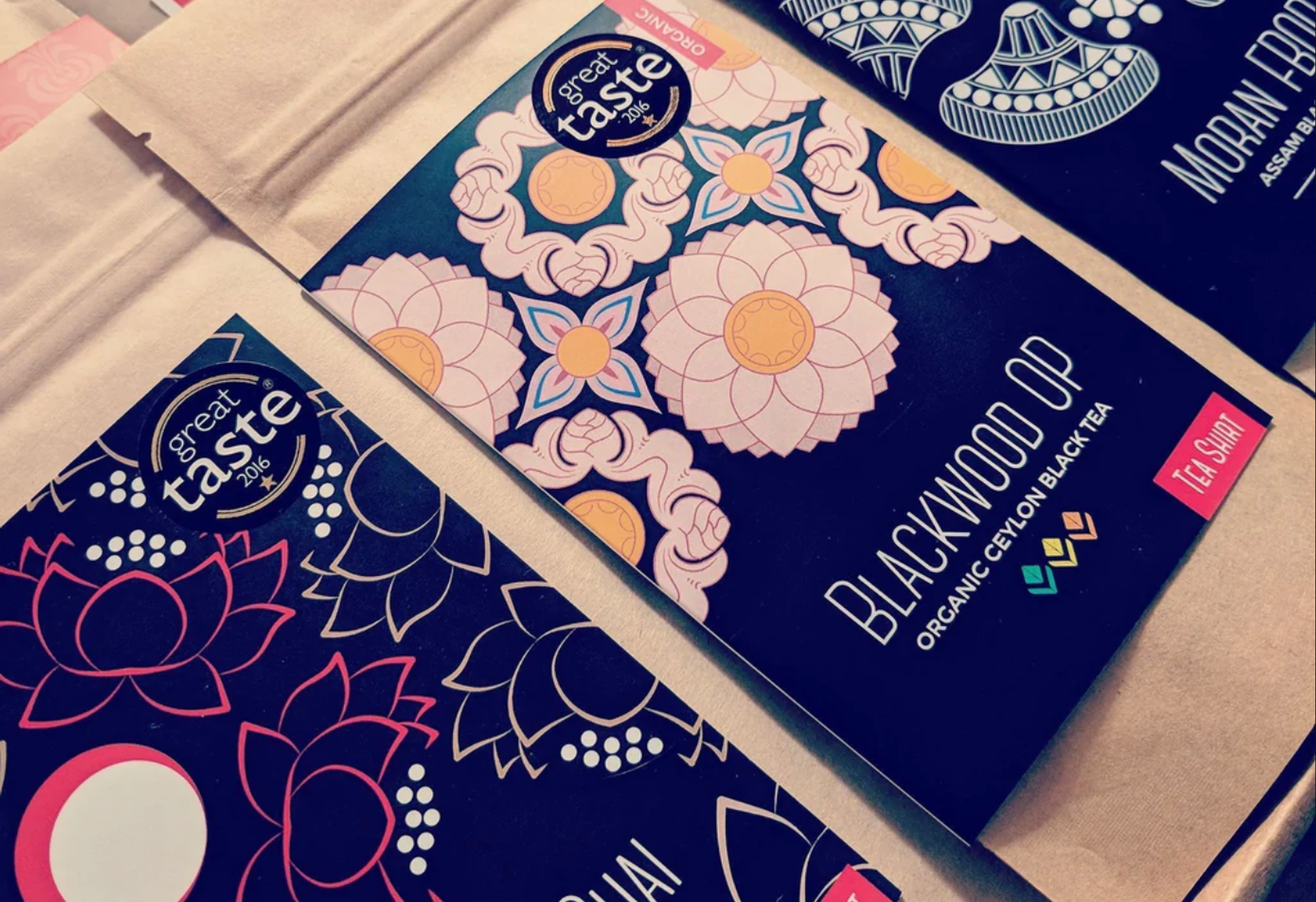
HOLD customers run everything from secondhand golf clubs to Italian truffles and award-winning loose-leaf tea out of their units. The common thread: they need a proper base without the overhead of a commercial lease.
More than somewhere to store stock
Most storage facilities rent you a unit. HOLD gives you a base to operate from, which is what makes it useful for running a business rather than just storing boxes.
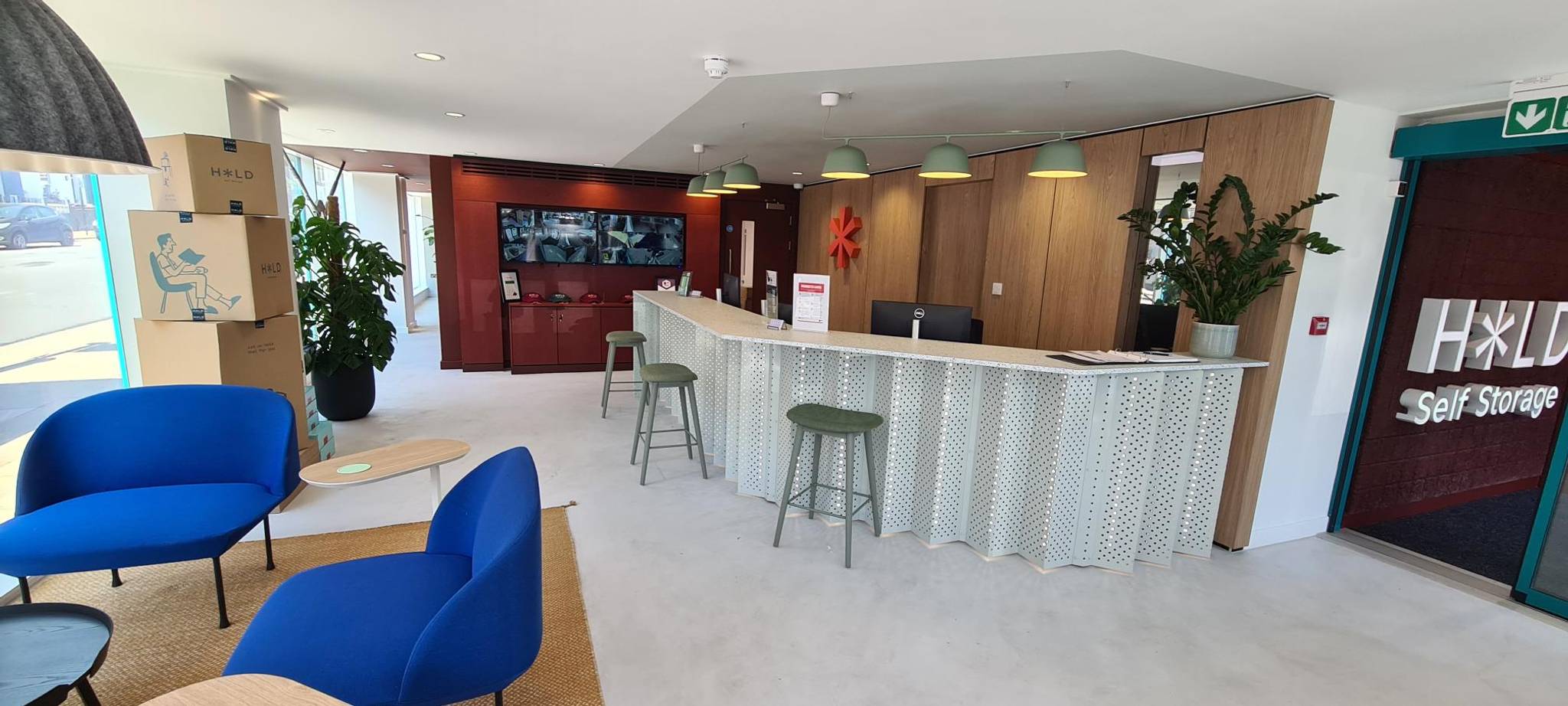
Workpods with power, WiFi and printer access
A dedicated space for packing and admin without a separate office lease
Meeting rooms for supplier meetings or client calls
24-hour access to your storage unit, activated the same day on request
Loading bays and pallet trucks for moving stock in and out
Mailbox rental for a central London business address
Tea Shirt®'s Andras uses a PC, printer and packing machine from his HOLD unit. He packs, labels and dispatches orders without leaving the site, no separate office, no second location.
Advanced security for your stock
- Individually alarmed units
- 24-hour CCTV across the facility
- PIN-controlled entry
- Deliveries held securely at reception until you collect them
- Well-lit, camera-covered loading areas
If your stock is damaged, stolen or goes missing, so do your next orders. HOLD's units are individually alarmed and deliveries are handled safely on your behalf, so your inventory stays protected even when you're not on site.
Four steps

Put fast-moving stock nearest the door
The products you pick most often should take the least effort to reach. Slower-moving lines can go further back or higher up, they'll cost you a few extra seconds, not every trip.

Shelve by product line, not by box
Mixed boxes look tidy, but they slow you down the moment you're hunting for one item under pressure. Keeping each product line together also means you can see stock levels at a glance.

Label your stock consistently
By SKU, by size, by shelf number, whatever fits your stock. It takes an afternoon to set up properly and pays for itself the first time you're packing a rush order and don't have to open five boxes to find the right one.

Keep a dedicated packing area
A clear table or workbench for weighing, labelling and boxing, so you're not repacking on top of your own stock. Running low on materials mid-pack? Our on-site Box Shop is right there.
Scaling up and down for busy periods
Most UK ecommerce brands carry two to three times their normal stock through November and December. Whatever your version of that looks like (Black Friday, a seasonal product line, etc.) it's the same problem: more space needed for a few weeks than the rest of the year.
HOLD Self Storage lets you take a bigger unit for that stretch, then downsize again once it's over. No fixed contracts, no long lease, just a size change when your peak is over. HOLD also runs Christmas and Black Friday promotions, so check what's available before you commit to a size change.
A base that grows with your business
Tea Shirt®: running an ecommerce business from a HOLD unit
Tea Shirt® is a London-based eco-conscious tea brand founded by Andras and Kriszti in 2016. They sell premium loose-leaf teas online and at Borough Market and other London markets, and have won 22 food and drink awards, including the Golden Fork for Small Artisan Producer of the Year.
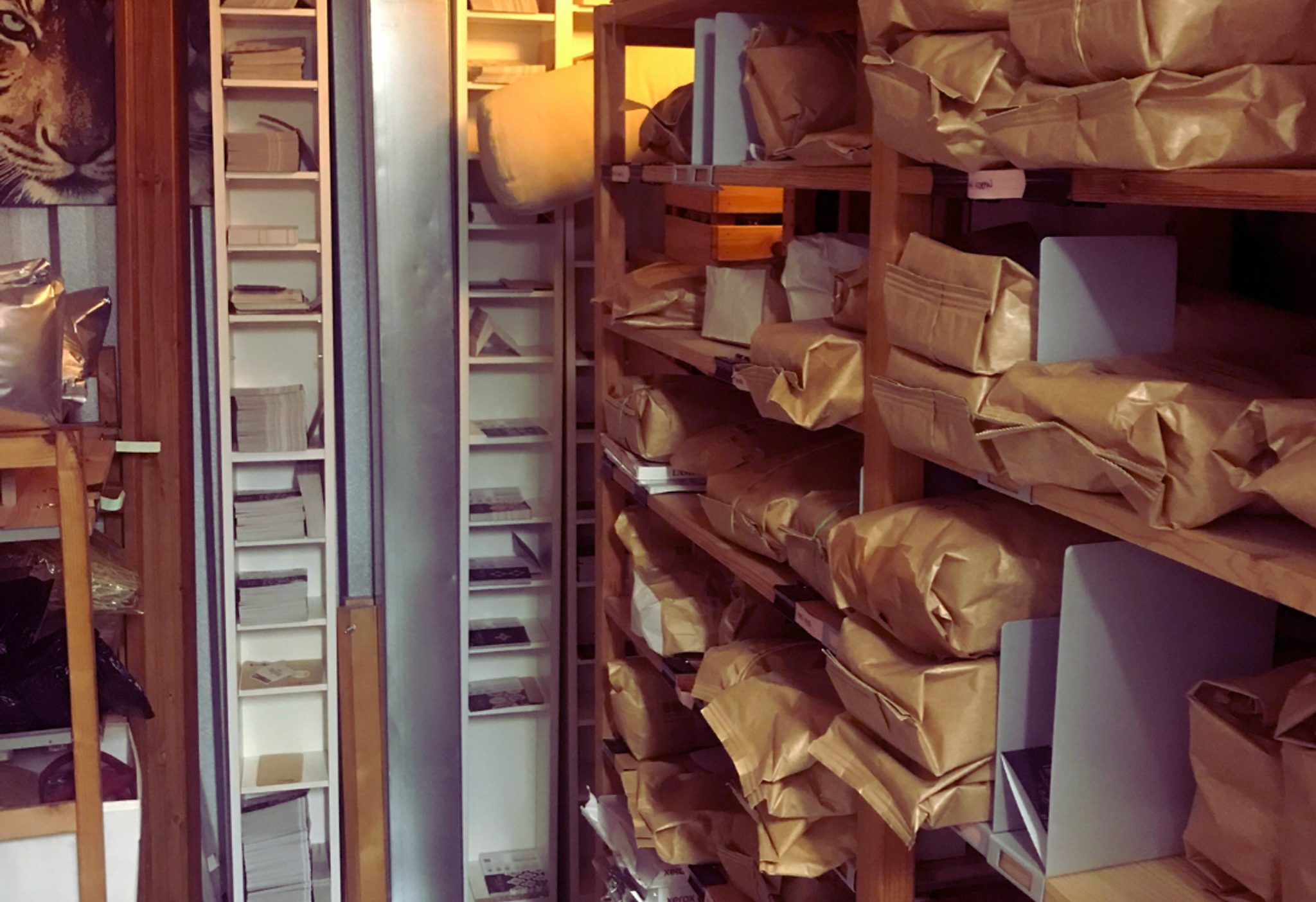
Andras runs day-to-day operations directly from his unit: packaging, labelling, organising stock, and receiving deliveries, using a PC, printer and packing machine on site. Peak season runs October to May, and the unit scales up with it.

Storage questions to ask

What to check before you sign up anywhere

Do you have to be present for deliveries?
If a facility can't accept deliveries on your behalf, you're back to sending suppliers to a home address. HOLD accepts them at reception for you.

What's the notice period?
Month-to-month is standard, but check it's not buried in a longer minimum term once you read the small print. HOLD's is short, no long lease to get out of.

Is there anywhere to work on-site?
A unit with nowhere to pack an order or take a call is just storage. HOLD has workpods with power and high-speed WiFi for admin between tasks, plus meeting rooms for calls or supplier meetings.
How much does ecommerce storage cost in London?
HOLD's Kings Cross units start from £95.30 per month inc VAT for 10 sq ft, scaling up to 150 sq ft for large inventories or peak season buffers. For context, the SSA UK Annual Industry Report 2025 puts the London average for 50 sq ft at around £220 per month inc VAT.
See our full price breakdown by unit size below:
New customers pay £2 rent for their first month, no business rates on top, no long-term lease, and a price match within 3 miles. Storage for business use is also typically tax deductible as an allowable expense.
faqs
More than most self storage facilities allow. HOLD units can be used for packing orders, labelling stock, and organising inventory as part of your order fulfilment process. On-site workpods have power, WiFi, and printer access. There are meeting rooms and a communal kitchen. You can receive deliveries at reception. This is meaningfully different from a standard storage facility where you drop things off and leave.
Yes. HOLD accepts deliveries at reception on your behalf and holds them securely until you're ready to collect them and move them into your unit. You don't need to be present when a delivery arrives. This removes the problem of sending suppliers to a home address or managing missed deliveries entirely.
With a fulfilment company, you're usually paying per item stored, per order picked, and per unit shipped, on top of a monthly fee. Self storage is a flat monthly rate regardless of how many orders you process. For a smaller seller, that flat cost is often significantly cheaper, and you keep the option to pack orders yourself instead of paying someone else to.
It depends on your current stock volume, how you plan to organise it, and your access and packing space needs. HOLD's storage unit size guide is a good starting point, and there's no long-term commitment if you need to scale up later.
You're responsible for insuring your stock at full replacement value. HOLD offers StoreProtect enhanced liability cover as an optional add-on, or you can arrange your own business insurance policy.
No. Storage units can't be used as a registered business address. HOLD offers a separate mailbox rental service which provides a central London address for business post and parcels.