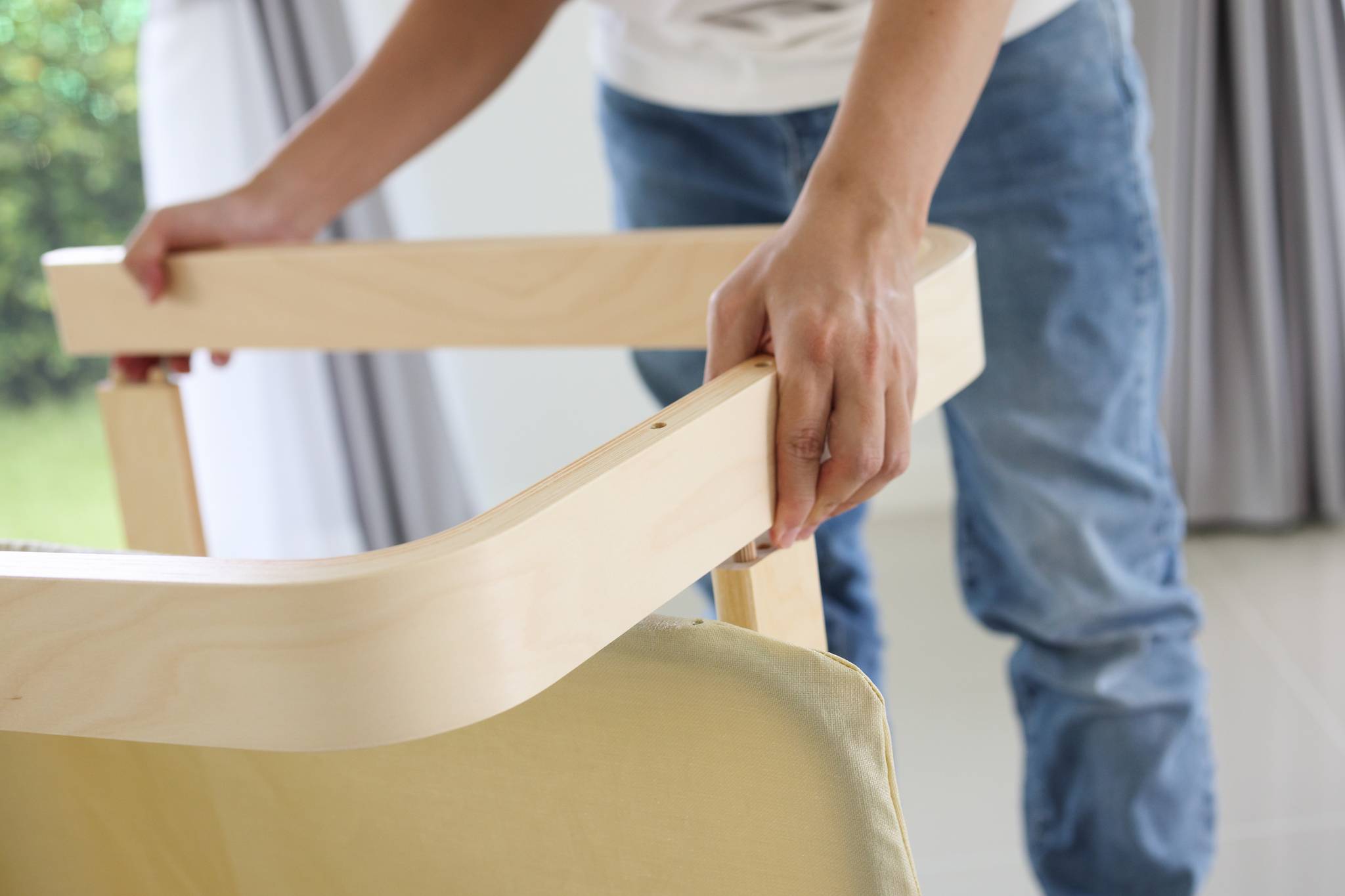

Storing furniture in a self storage unit is safe, provided you choose the right unit. Modern facilities, like those at HOLD, come with strong security features such as cameras, secure locks, and on-site staff, plus climate-secure options that protect against extreme temperatures and humidity. Whether you're storing a sofa or a set of dining chairs, your furniture stays in good condition.
Key Takeaways
Modern self storage units offer strong security: cameras, secure locks, and on-site staff.
Climate-secure units protect furniture from extreme temperatures and humidity damage.
Choosing the right unit matters as much as the facility's security features.
Both sofas and smaller pieces like dining chairs store safely with proper care.
Types of furniture suitable for storage
Different materials need different preparation before storage:
- Wooden furniture: clean and treat with wood polish to protect against drying and cracking. Wrap in breathable materials like moving blankets or cotton sheets rather than plastic, which traps moisture against wood and causes damage
- Metal furniture: clean thoroughly to prevent rust, and apply a rust-inhibiting spray for extra protection. Dry items completely before storing, since any residual moisture leads to damage
- Leather furniture: clean with leather wipes and apply conditioner before storage. Wrap items in protective covers or furniture blankets to prevent scratches and wear
- Glass tabletops: protect with bubble wrap and corner protectors to prevent breakage, and pack glass items on top when stacking furniture, never underneath heavier pieces
- Fabric upholstered furniture: clean with a fabric or upholstery cleaner and dry items completely to prevent mildew. Vacuum thoroughly and cover with fabric or dust sheets
Getting this right prevents warping, scratching, and mould developing while your furniture is in storage.
How do you store furniture in storage?
Preparation
Proper preparation protects furniture and keeps it in good condition. Cleaning items before storage prevents mould, mildew, and pests from taking hold.
- Cleaning and maintenance: use mild soap for general cleaning, leather wipes for leather furniture, and a fabric or upholstery cleaner for upholstered pieces. Dry everything completely to avoid mildew
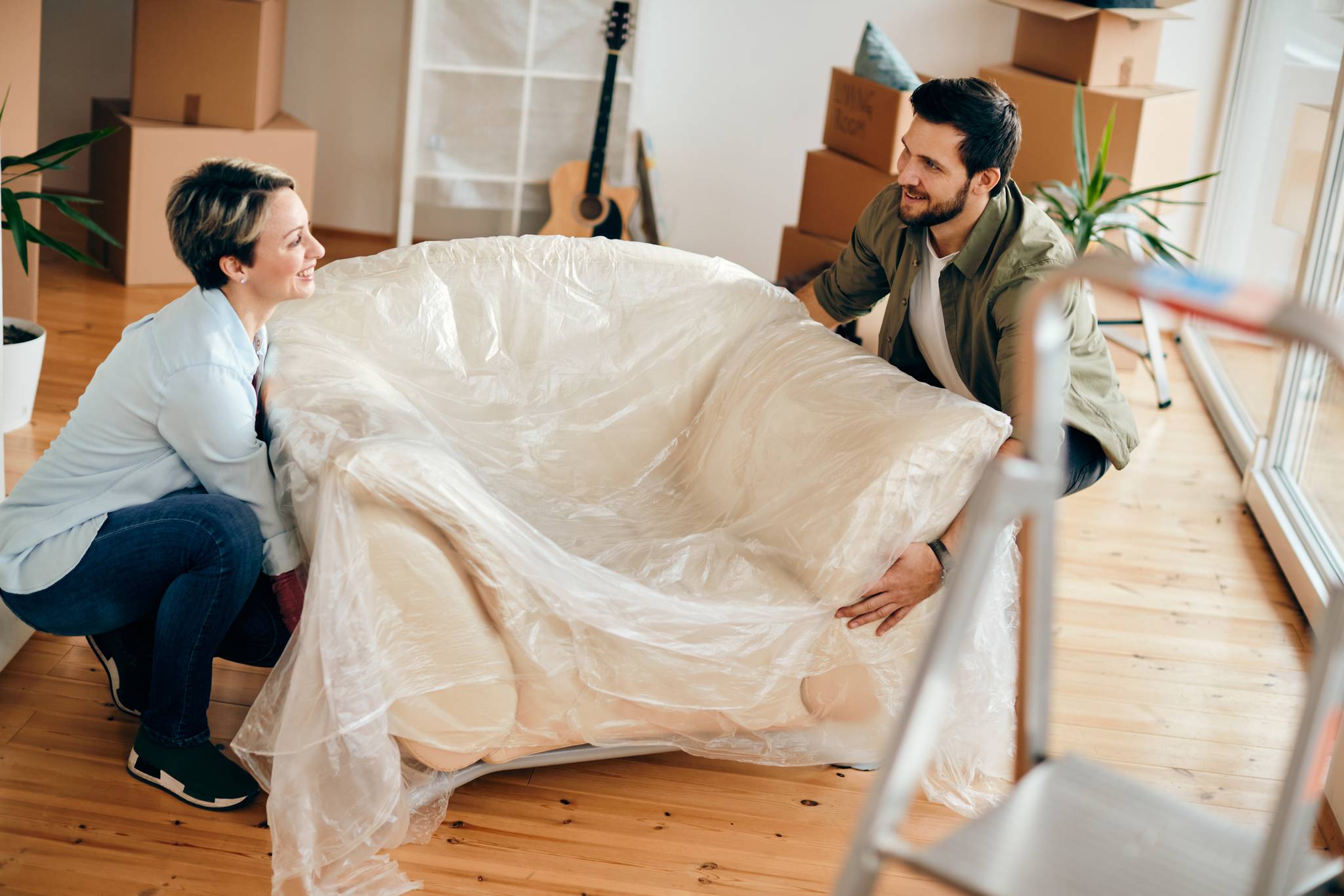
- Disassembly and packing: disassemble larger pieces like bed frames and tables to save space, make them easier to move, and simplify reassembly later. Keep screws and small parts in labelled boxes taped to the piece they belong to
- Wrapping and protection: wrap furniture in bubble wrap, breathable materials, or moving blankets to protect against dust and scratches, using breathable covers for wooden furniture and fabric sheets for upholstered items. Add extra padding and corner protectors for glass and other fragile pieces
- Labelling and inventory: label each piece and keep an inventory of what you've stored, so everything's easy to find and unpack later
Choosing the right storage unit

- Size considerations: choose a unit with enough space for all your furniture without overcrowding. A 50 sq ft unit typically fits furniture for an average family home, but measure your larger items first and size up if you need room to move around comfortably. HOLD's storage unit size guide and calculator can help you work this out
- Accessibility and convenience: pick a facility that's conveniently located with easy access hours, so retrieving or checking on items is straightforward, especially if you're moving house
- Storage options: some providers offer containerised storage, using breathable wooden containers for protection, which suits people who'd rather have items collected and stored off-site
Short-term vs long-term storage
Understanding the difference between short-term and long-term storage helps you plan preparation properly.
- Short-term storage: ideal for temporary situations like moving, renovating, or decluttering. You won't need every protective measure, but keep furniture clean and covered to prevent dust and minor damage
- Long-term storage: needs more thorough preparation to keep furniture in good condition over extended periods. Choose a climate-secure unit to protect against temperature and humidity fluctuations, and check on stored items regularly
Tips for long-term storage:
- Clean and dry all furniture thoroughly
- Use protective materials like bubble wrap and dust sheets, avoiding tight plastic wrap
- Avoid stacking heavy items on delicate pieces
- Use moisture absorbers and pest deterrents in the unit
Cost considerations: short-term storage tends to be more affordable month-to-month, while long-term storage often comes with discounts for extended stays. Factor in the cost of climate security and any extra protective materials when comparing options.
Common mistakes to avoid
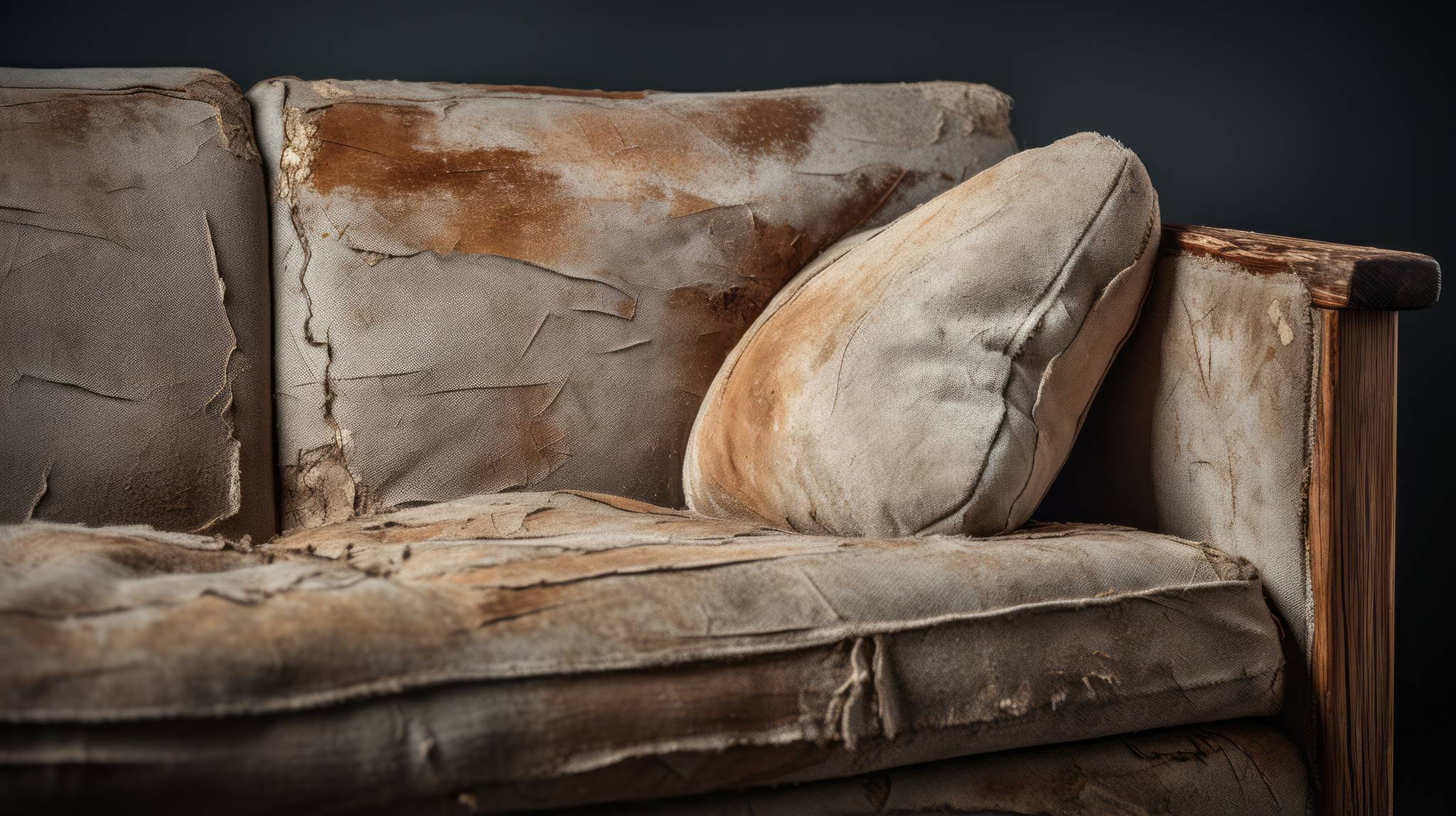
A few common mistakes can lead to damage and costly repairs:
- Skipping cleaning: dirt and food particles attract pests and cause stains, so clean and dry furniture thoroughly before storing it
- Choosing the wrong size unit: underestimating your furniture leads to overcrowding, which damages items and makes it harder to reach things at the back
- Ignoring climate security: wood, leather, and other sensitive materials can warp or crack in extreme temperatures and high humidity, so stable conditions matter for preventing moisture damage
- Poor packing and protection: skipping bubble wrap, breathable covers, or moving blankets leaves furniture vulnerable to scratches, dust, and damage. Add extra padding for fragile items and glass tabletops, and follow a proper packing approach for the rest of the unit
- Stacking incorrectly: heavy items on top of delicate ones cause breakage or deformation. Keep lighter items on top, and place heavy, stable pieces toward the back of the unit
- Wasting drawer space: pack soft items like cushions inside wardrobes and chests rather than leaving that space empty
Large and heavy items need a bit more planning than smaller pieces. Keep them near the entrance if you'll need to move them again soon, or place them at the back for long-term storage. Always lift with a partner or use a trolley, and never stack heavy items directly on top of anything fragile.
Special considerations for antique furniture
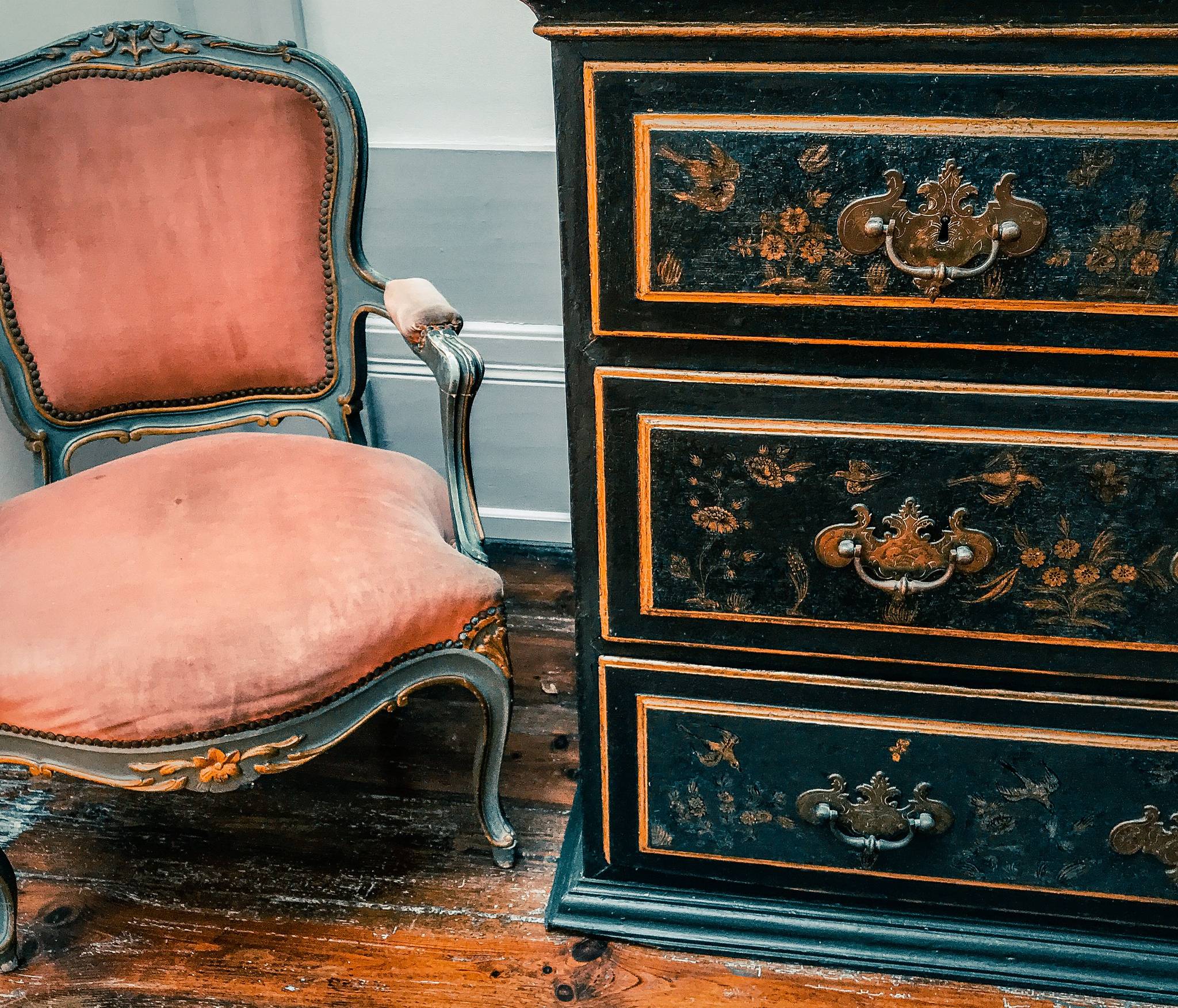
Antique furniture carries monetary and sentimental value, so any damage in storage is a real loss. A few extra precautions protect it properly:
- Use high-quality materials: thick bubble wrap, custom-fit dust sheets, and sturdy corner protectors. Avoid old sheets or materials that trap moisture and lead to mildew
- Prioritise climate security: antiques are especially vulnerable to extreme temperatures and humidity, so a climate-secure unit helps prevent warping, cracking, or mould
- Consider specialist insurance: cover designed for high-value or antique furniture gives you financial protection against damage or loss while items are in storage
- Inspect regularly: check on stored antiques periodically, so you can catch issues like mildew or pest activity early
HOLD - Flexible, affordable furniture storage
Keeping your furniture safe is easy with HOLD's storage solutions. Whether you're dealing with an overflow of items or need somewhere secure during a move, HOLD offers strong security measures and unit sizes to match your needs, protecting everything from wooden antiques to modern sofas.
With flexible access and responsive customer service, you can trust your furniture is in good hands. Whether you're an antique dealer looking into business storage or want to safeguard a family heirloom, HOLD gives your furniture the care it needs.
Get a free quote from HOLD today!
Frequently Asked Questions
Yes, if stored in a damp environment. To prevent this, use climate controlled storage, ensure items are dry before storing, and use moisture absorbers.
Yes, it's perfectly fine to store wood furniture in a storage unit. Just make sure to clean and dry it thoroughly, use wood polish to protect it, and opt for a climate controlled unit to prevent warping and cracking.
Wrapping your couch in breathable materials rather than plastic is a better idea to protect it from dust and dirt while still allowing proper ventilation, which helps prevent moisture buildup and mould.
Disassemble larger pieces, wrap each item in protective materials like bubble wrap or breathable covers, and stack lighter items on top of heavier ones. Label everything for easy retrieval and easy reassembly.
Only you will have access to your unit. Upon registration, you'll receive a unique PIN code granting you access to the site. Additionally, you'll secure your unit with your own padlock. If you need others to access your unit, they can do so with your permission and using your code.