

Storing belongings in a self storage unit keeps your stuff safe and frees up room at home, but at some point paying rent for items you barely use stops making sense. This guide covers organising your inventory, researching buyers, setting fair prices, and handling sales with ease, whether you're clearing a few boxes before moving into a smaller storage unit or offloading business storage stock.
Key takeaways
Selling storage items yourself gives you full control over price and timing.
Research prices on eBay and Facebook Marketplace before you list anything.
Clean, photograph, and describe items honestly to sell them faster.
Downsize your unit once you've sold enough to cut storage costs.
HOLD works directly with customers who sell from their units every week, including retailers like Tea Shirt® and Tuscany & Taste. This breakdown draws on that hands-on experience supporting business storage and personal storage customers through the practical side of clearing out and selling on. We update this guide as platforms and best practices change, so the advice reflects how people actually sell from storage today.
Storage auctions vs selling items yourself
Selling from your own rented unit means going through your belongings and choosing what to sell yourself, a different process from a storage auction, where a facility sells off an entire unit's contents after unpaid rent. Storage auctions work differently: bidders often can't inspect items closely beforehand, and whoever makes the highest bid at an online auction or in-person event wins the lot sight unseen.
When you sell your own items, you decide what goes up for sale, when, and for how much, and buyers get full photos and descriptions before they commit.
Why sell from your storage
People use storage facilities for all sorts of reasons: some need extra space for a growing family, others need a safe place to store stock for their business. When the time comes to re-evaluate what's actually in your unit, selling can lighten the load.

Reason to sell | What it means for you |
|---|---|
Saving money | Selling frees up space in a unit you're paying for, so you can downsize or stop storing altogether |
Making more money | Branded store items or furniture that still hold value convert into cash and boost your funds |
Clearing clutter | Sentimental items get decluttered instead of sitting forgotten |
Changing business needs | Selling surplus inventory frees up room in your unit for new stock |
Selling your unit's contents doesn't have to be complicated. With some effort and careful planning, you'll reclaim control over your storage costs.
Sort your items before you sell
Before posting a single ad, gather all your belongings and decide what's truly worth selling. Sorting items by category and condition matters most here, so create a list (or better yet a spreadsheet).
What to record | Why it matters |
|---|---|
Item name | For example, "mid-century coffee table" |
Condition | Check if anything needs repairs |
Brand | Helps determine the price |
Potential value | A ballpark figure of what you think it's worth |
Split your items into three categories: items to sell (furniture, clothes, electronics, or quality items that hold enough value), items to keep (sentimental items that might still warrant a spot in your unit), and items to dispose of (broken or unusable stuff, which you should recycle or throw away responsibly). Prioritise high-value items first so they get more attention while demand is fresh.
Research market prices
Do a bit of research to set competitive prices.
- eBay: check sold listings for similar items; final sale amounts show realistic pricing and best value
- Facebook Marketplace: browse local sellers to see what they're charging, especially for a quick sale
- Auction possibilities: contact an auction house for anything rare or valuable that might bring in higher bids
Taking time to research helps you set a fair price point and improves your chances of attracting customers.
Plan your selling strategy
Choosing your platforms
Different platforms attract different potential customers, so match the platform to the item.
It is common for businesses and individuals prefer in-person sales for big items like desks, chairs, or office furniture. Decide what method offers the best balance of convenience and profit for each category.
Setting a timeline

Give yourself a timeframe for listing and selling items. You might set three months to sell the majority, then drop prices or switch platforms for anything unsold. This keeps you motivated and prevents your storage rent from climbing unnecessarily.
Present your items effectively
Clean, repair, and photograph
Buyers love items that look and work their best. Small touches make a big difference.

- Cleaning: dust your belongings, wipe surfaces, and check any furniture covers for stains
- Minor repairs: tighten screws, patch small holes, or replace missing knobs
- Professional photos: shoot in natural light where possible, capture multiple angles, and highlight key features
Quality photos and neat presentations often decide if a listing sells or gets overlooked.
Write strong descriptions
When you list items on eBay or Facebook Marketplace, cover the basics that buyers actually look for.
- Provide accurate measurements: a vital point for buyers looking for furniture or décor
- Mention the brand: a well-known name boosts perceived value
- Highlight notable features: vintage, limited edition, or part of a set all add appeal
- Be honest about flaws: honest descriptions reduce returns and disputes later
If you're looking for a quick sale, mention your reason ("I'm downsizing my self storage unit") so buyers know you're motivated but not desperate.
Transport, delivery, and safety
Selling items from your self storage unit takes a bit of logistics planning.

- Local pick-up: check with your storage company about visitor policies before buyers visit
- Delivery: offer local delivery for a small fee to persuade more customers to buy large items
- Courier services: use couriers for smaller items; shipping is simple but adds packing cost
- Personal safety: meet buyers at your facility during staffed hours for a safe place to trade
Factor in your potential delivery or shipping fees so you're not caught off guard, and weigh these costs against your asking price when you work out your final profit.
Keep an eye on your storage costs
When you're paying monthly rent, you'll want to move items promptly.
- Downsize to a smaller unit: As you sell belongings, move remaining items into a smaller room. This alone could save a significant amount each month.
- Check insurance details: Confirm your policy covers items intended for sale, or check StoreProtect if you need advice on adjusting cover.
- Climate-secure options: If you're storing things that can lose value in fluctuating temperatures, we offer climate-secure units for delicate inventory until it sells.
Keep clear records of sales, costs (including any delivery or shipping fees), and profits: this helps you track how the process is going and spot which platforms or items perform best.
Top tips for a quick sale
- Bundle items: grouping low-value items into lots (like a dresser and bedside tables) speeds up sales
- Offer discounts: a deal on multiple items tempts bulk buyers
- Post widely: listing across multiple platforms and social media gets more eyes on your items
- Highlight urgency: saying you need everything gone soon encourages faster deals
- Tap into word of mouth: friends, family, and colleagues often know a buyer
Handling leftover sentimental items
Once you've sold as much as possible, you may still have some stubborn belongings left.
- Relist or reduce: try a lower price or change your listing's keywords or photos
- Donate: charities or community groups often welcome usable clothes, toys, or furniture
- Dispose responsibly: use local recycling centres rather than dumping items in a garage or skip
- Keep: re-box sentimental items and store them safely, or bring them home once there's space
Sorting out leftover stored belongings ensures you're not wasting storage rent on stuff with no value or purpose.
Example scenarios
Example 1: Selling household clutter
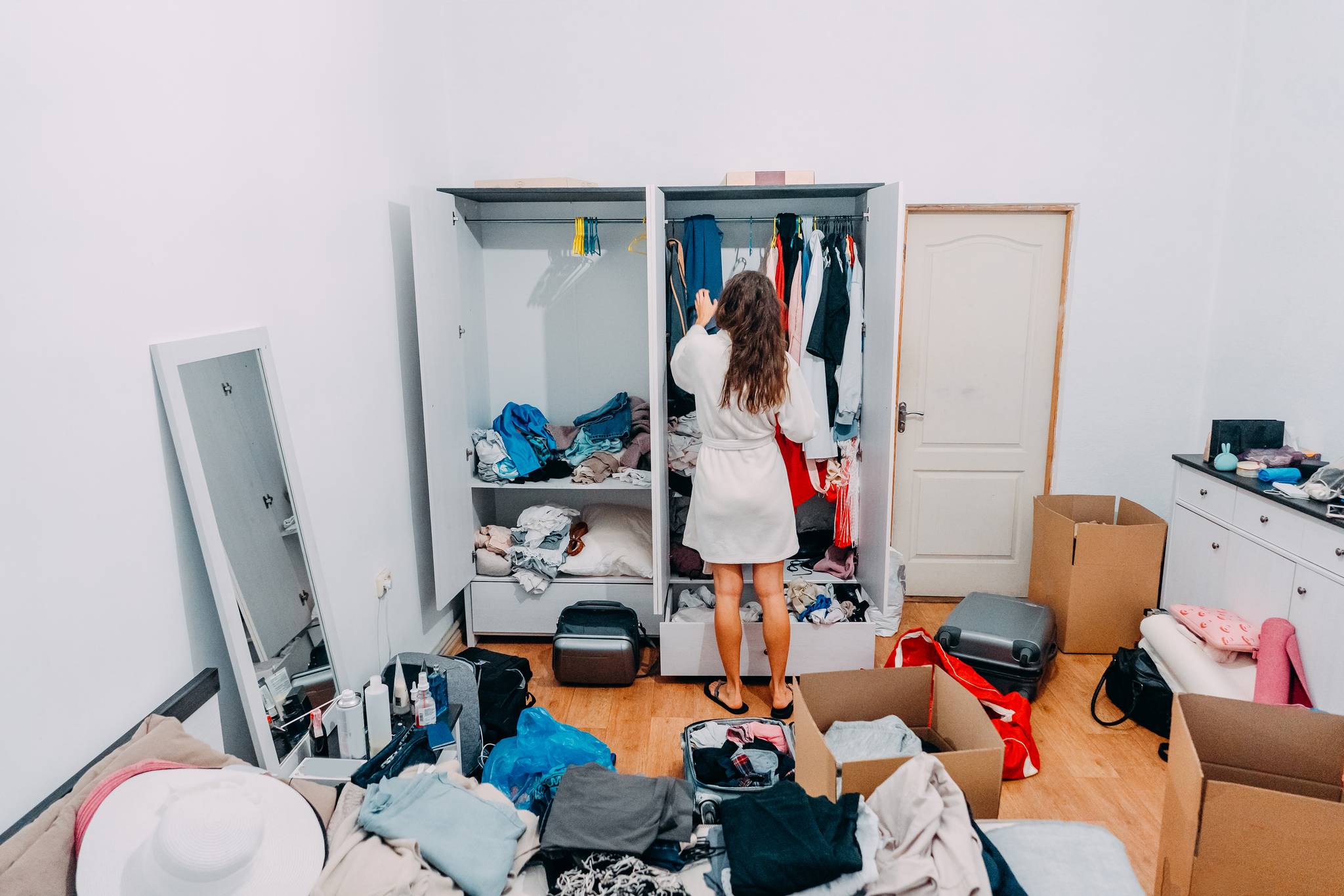
A family rented a self storage unit while renovating and left a few too many boxes and furniture items there. Hoping to save money, they decided to sell. They started with a dining table and chairs on Facebook Marketplace, then tackled smaller décor on eBay. With sensible pricing and decent photos, most items sold within a month, and they switched to a smaller unit for their remaining sentimental items.
Example 2: Business store stock

A small business stored a surplus of brand merchandise in a climate-secure area at HOLD. They listed the items at a modest discount online, appealing to bargain-hunters and loyal customers. The bulk listing strategy cleared out old inventory in just a few weeks and freed up the unit for new product lines.
Example 3: Selling valuable collectibles

Some people think of TV shows like "Storage Wars" when they imagine storage auctions, but that's a different scenario from selling your own things. A woman who inherited vintage porcelain figures stored them safely for years.
Unsure of their value, she consulted a local auction house, which advised her on a suitable reserve price. The figures fetched a respectable sum, more than she might have expected from listing them on general platforms.
Plan for the future

Selling items from your storage unit raises money and declutters, but it's also a chance to rethink your approach to storage.
- Avoid hoarding: store only what you'll use again, and review belongings regularly
- Use a smaller unit: a "less stuff, less cost" motto often needs only a small space
- Use climate-secure storage for delicate items: fragile antiques, electronics, and similar items benefit long term
- Stay organised: clear labels, an inventory list, or a sign system make future sales easier
Life changes, and your storage needs do too. That's why HOLD is always here to advise on the best unit size and features for your budget and situation.
Conclusion
Selling items from your self storage unit solves multiple challenges: saving money, creating more space, and giving unwanted stuff a second chance at life. Start by sorting through your belongings, doing your research, and choosing the right platform to reach your buyers.
Then keep a close eye on presentation, pricing, and delivery, so the sale process stays professional and friendly.
Once you've shifted enough items, you could downsize to a smaller unit or stop renting altogether. If you still need that space (perhaps for sentimental items or fresh business inventory), HOLD offers climate-secure options and comprehensive support.
Ready to make space and money? HOLD can help

You've got the plan: sort, research, price, photograph, and list. Now put it into action with a storage setup that actually makes selling easier.
With HOLD, you get climate-secure units, flexible unit sizes for downsizing as you sell, and a free quote in under a minute. Whether you're clearing a few boxes or shifting an entire business storage unit's worth of stock, our team helps you find the right size and terms for exactly where you're in the process.
Get in touch today and turn your cluttered unit into a tidy profit.
Frequently Asked Questions
It's easy. Reach out through our site or give us a call. Our team will advise on the best unit size for your needs and arrange a seamless transition if you're looking to move to a smaller unit.
Absolutely. Our online box shop covers all your packaging needs, with boxes in bulk, bubble wrap, and furniture covers to keep your belongings secure before you sell them.
Yes. Certain possessions or store stock need controlled conditions to retain their value. Our climate-secure units maintain stable temperatures and humidity levels, so you don't have to worry about damage to electronics, wood furniture, or delicate antiques.
Ask how often you've used the item in the last year. If it's just collecting dust, consider selling. Compare its potential resale price to your personal attachment: sentimental items might be worth keeping, but everyday clutter can often be sold or donated without regret.
Try adjusting your price or improving your listing photos and descriptions. Explore different platforms or a local auction for niche items. If you've given it enough time, consider donating or recycling to free up space and avoid ongoing storage costs.