Key takeaways
Arrive early for the best pitch, calmer setup and keen buyers
Focus on clean, good quality clothes, toys, books and small homeware
Keep what you charge around 10 to 15 percent of original value
Use a trestle table, clothes rail and clear price tags to boost sales
Check safety rules, consumer rights and banned goods before you start trading
Need storage for your car boot finds or stock? HOLD Self Storage gives you a secure, central London unit to keep your car boot stock between events, with flexible sizes, 24/7 access and strong security. Get a free quote and price match.
What actually is a car boot sale?
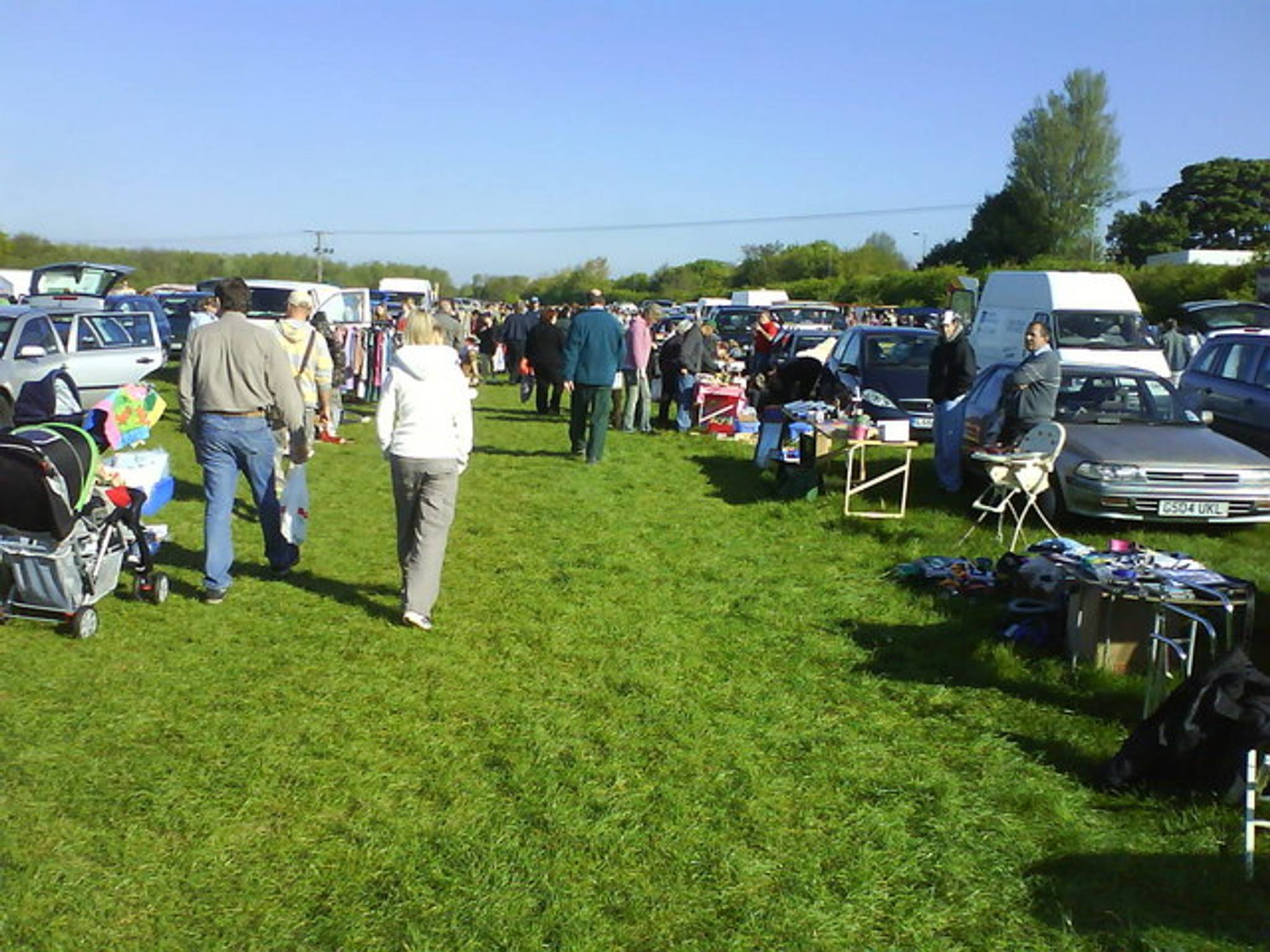
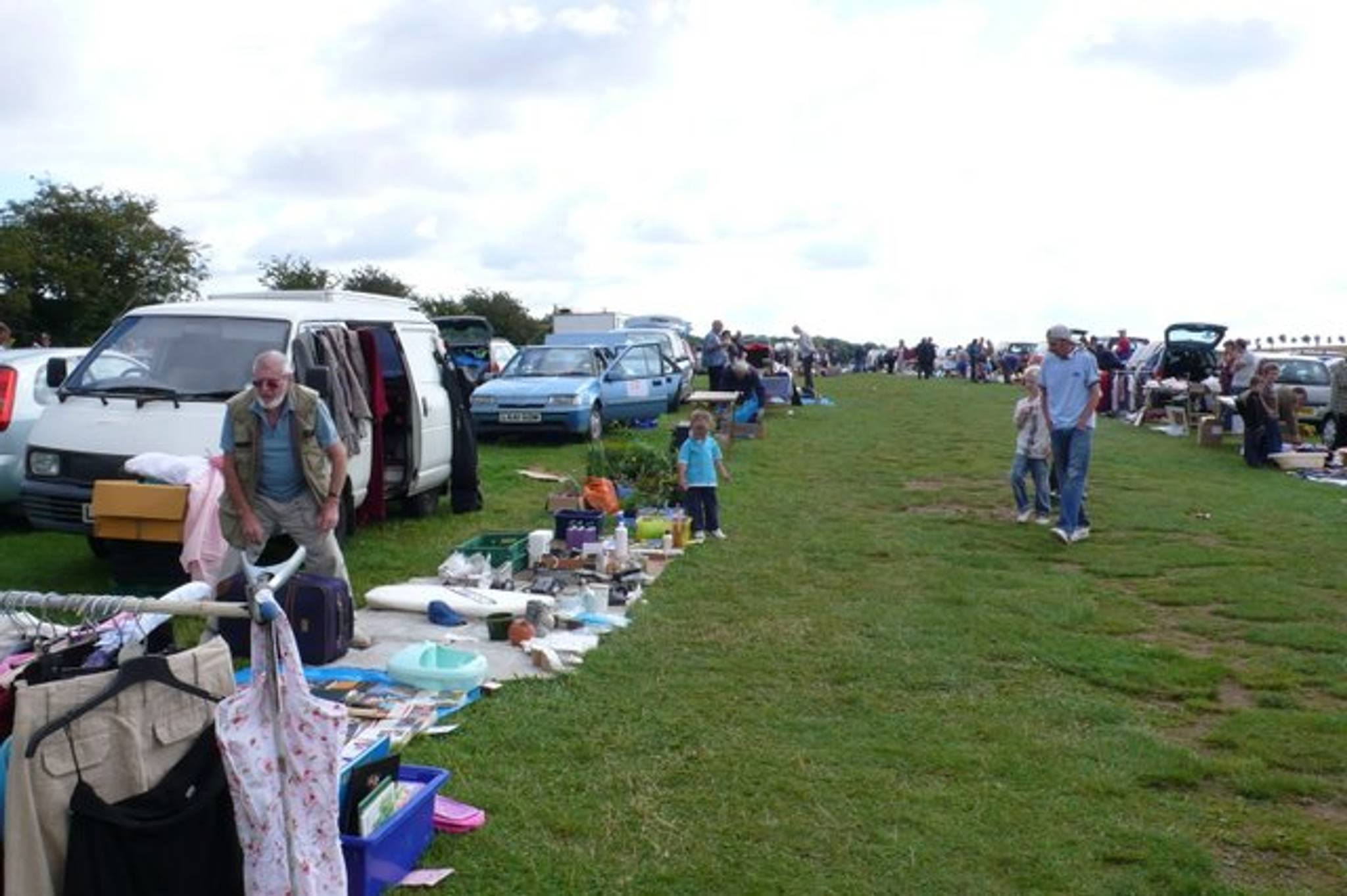
A car boot sale is a temporary market, usually held in a field, school or car park, where sellers park up, open the boot and set out second hand goods on a table, tarp or ground sheet. Shoppers wander round, browsing and haggling over prices on everything from kids’ clothing to plant pots.
Most people turn up looking for bargains, not designer shopping. That means:
- Costs are low and flexible.
- Cash is still king, even if some sellers use phone payments.
- There’s a relaxed “buyer beware” feel, but you still have legal responsibilities if you’re effectively trading rather than just decluttering.
What to bring (and what not to)
If you’re staring at a house full of stuff wondering what to sell, start with clean, working, easy to carry items. Decluttering first makes it easier to spot unused things in good condition you can get rid of for extra money.
Best categories to sell
Clothes and accessories
- Everyday outfits in good condition
- Children’s and baby clothing, especially bundles
- Branded items and vintage pieces
- Shoes, belts, bags and other accessories
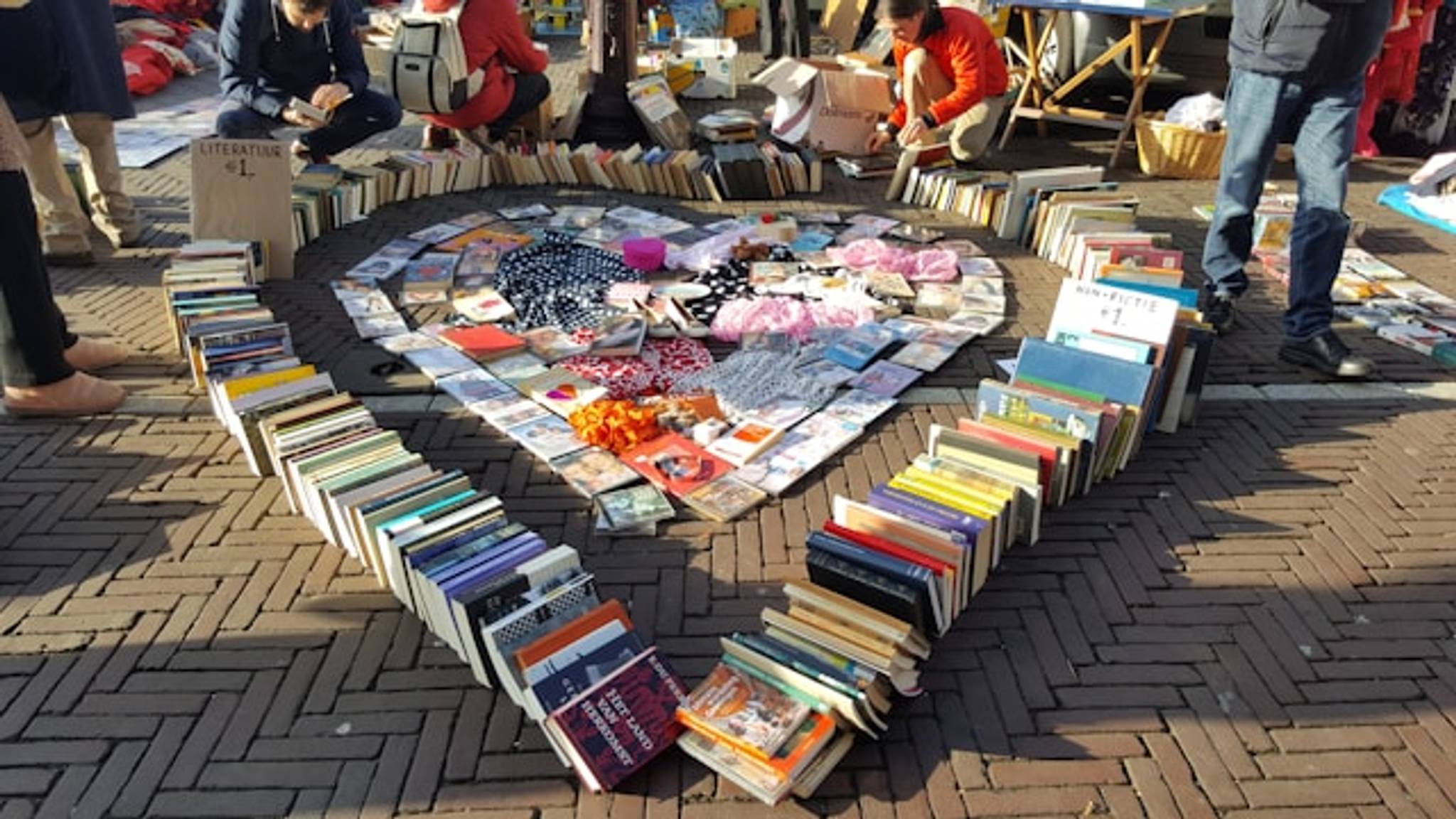
Clothing is a top seller at boot sales, especially children’s and designer items that would cost much more new.
Kids’ stuff
- Toys, games and puzzles with all pieces
- Baby items such as high chairs, cots and bouncers
- Children’s books and DVDs
Parents seek affordable items because children quickly outgrow clothes and toys, so baby bundles and equipment usually do well.
Books, media and collectibles
- Paperbacks and kids’ books, often 50p to £1 each
- CDs and DVDs
- Vinyl records, niche ceramics and ornaments
- Vintage cameras, retro video games and consoles
- First editions or rare books
Research any potentially valuable items or full collection online beforehand so you don’t let a rare book, vinyl or game go for pennies.
Home, garden and tools
- Small furniture pieces one person can lift
- Tools and DIY gear
- Garden accessories and plant pots
- Ornaments, home decor and small electrical items
Tools and garden accessories are popular, and small electricals sell well if they’re safe, tested and priced low. Avoid things that are too large or heavy for customers to get back to their car easily.
Jewellery, watches and cosmetics
- Costume jewellery and simple watches
- Unopened cosmetics, skincare or perfumes
- Neatly arranged “nice to have” accessories near the front
Jewellery and watches are good sellers because they’re small, easy impulse purchases. Any food items or cosmetics you sell should be in date, sealed and handled with basic health and safety in mind.
Things to avoid
Skip items that are likely to cause problems or stay on the floor all morning:
- Very large furniture that won’t fit easily in a buyer’s car
- Heavy objects that are awkward to carry across the site
- Broken electricals or anything that looks unsafe
- Items on the organiser’s banned list, such as age-restricted goods, counterfeit products, some plants or new stock if they want a purely second-hand event
If in doubt, read the organiser’s guidance or ask them for guidance before you load the car.
Setting up your pitch so people actually stop
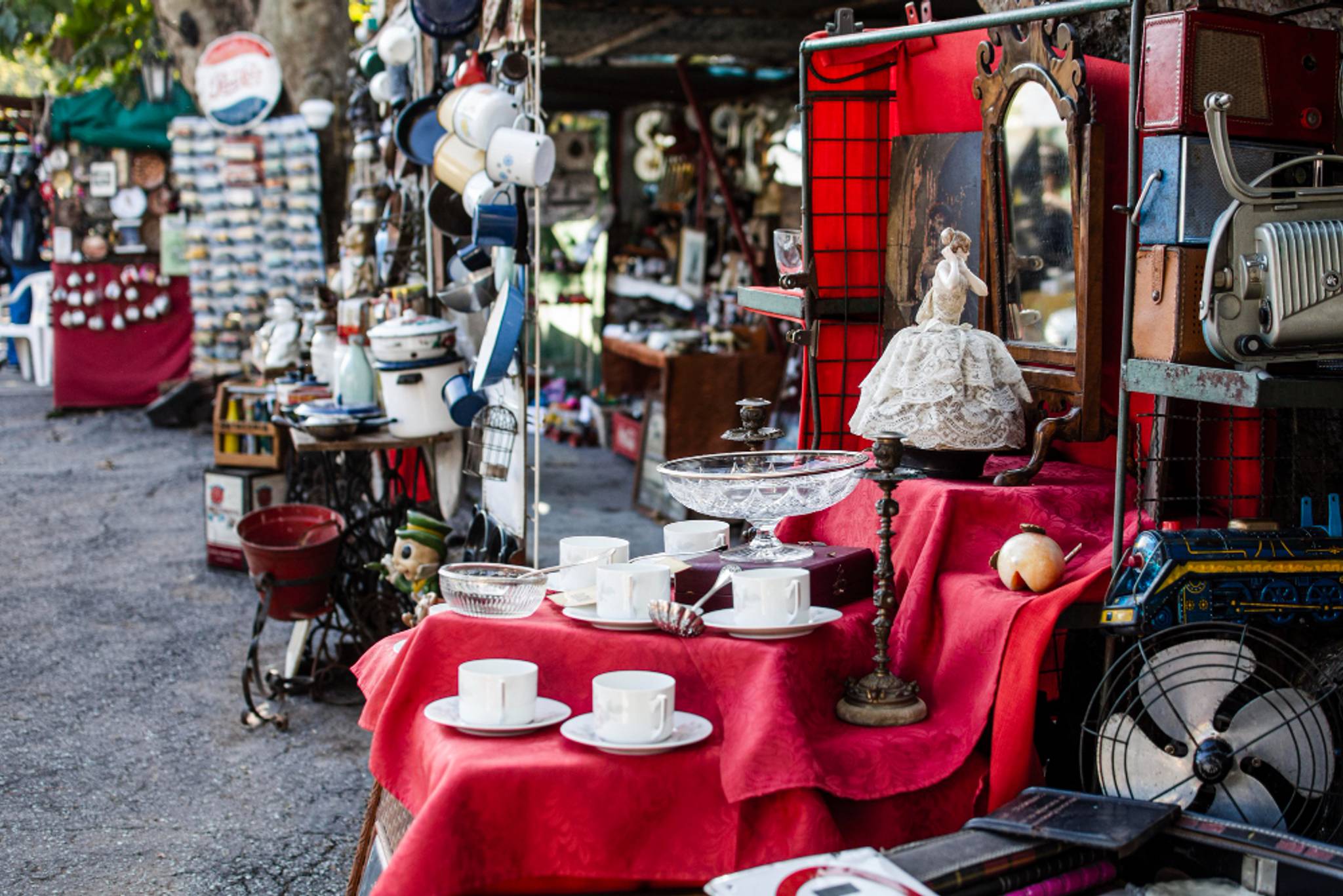
A good stall is less about having the fanciest stuff and more about clear display and easy browsing, so potential buyers feel comfortable stopping.
Basics for a solid setup
- Trestle or folding table to keep things off the floor
- Clothes rail so clothing feels more like a mini shop
- Ground sheet or tarp for bigger toys and boxes
- Baskets or crates to group categories together
Organise your table by type and size, for example:
- One section for kids’ clothing by age
- One box for tools and DIY
- One neat area for jewellery and small accessories
Cleanliness and presentation matter. A variety of clean, well maintained goods will always beat a random heap.
Display tricks that make a difference
- Put your best bits and more valuable items at the front to catch interest
- Keep similar things together so buyers can compare quickly
- Use simple price tags or group signs, even if you’ll haggle
- Offer plastic bags so people can take several purchases easily
- Keep valuables and cash in a secure spot near you for security
It helps to bring a friend or family member. One person chats to customers and handles money, the other keeps an eye on safety and the stall. Don’t be afraid to adjust the display mid morning - move a “bargain box” or better stuff forward if interest drops.
Have a basic plan for unsold items so you know what you’ll donate, what you’ll store in a unit for the next boot sale, and what you’ll try on ebay instead.
Pricing: what to charge and how to haggle
Car boot sales are about making lots of small deals, not squeezing every penny from one thing. Focus on clearing good quality stock at realistic prices.
A simple rule of thumb:
- Aim for roughly 10 to 15% of the original retail value
- Or about 10% of what you originally paid, rounded to simple prices like 50p, £1, £2 or £5
People go to a boot sale looking for bargains, so set things too high and most people won’t even stop.
Smart pricing strategies
- Group items into clear price brackets, for example “Everything £1”
- Keep a list of bigger items with your ideal price and lowest price point you’ll accept
- Expect to haggle - that’s part of the car boot experience
- Most sellers don’t tag every single item, but a few price tags and clear signs help
- Reduce costs gradually through the day to encourage last minute deals
Bring a good float of coins and notes. Stay polite but firm if someone keeps pushing for a much lower price. If you realise something is more valuable, it may be better to sell it on ebay later.
Selling handmade crafts at a car boot
Selling handmade crafts at car boot sales can be profitable, but it’s not guaranteed. Attendees are often looking for deals and may not value handmade work at the same level you do, so you’ll need to be realistic.
Make your craft area stand out
- Keep handmade items together in their own tidy section
- Put your best selling products right at the front for potential buyers
- Use a simple cloth, small stands and baskets so it feels like a mini boutique
- Add short labels with item names and prices so people know what they’re looking at
A friendly, polite, informative approach matters. Answer questions, give simple care advice and tell people what makes your items different. An approachable, appealing stall display plus good customer interaction can really lift sales.
Pricing handmade items
Because craft takes time, set a minimum price so you don’t undervalue your work:
- For example, nothing under £3 for small items
- Higher prices for detailed, time heavy pieces
You can still offer multi buy deals, such as “any 3 for £10”, to keep buyers feeling they’re getting value.
Insurance for craft sellers
Some organisers require craft stalls to have public liability insurance. This protects you against financial loss if someone is injured at your stall or if goods cause damage. It’s especially worth considering if you sell electrical items, body products or candles.
Check each event’s booking terms. They’ll usually say if insurance is needed or suggest relevant services.
Legal points, safety and consumer rights
Even at a relaxed community boot sale, there are important legal and consumer rights issues to think about.
Trader or private seller?
If you sell at car boot events very often, or buy items specifically to resell, you may be treated as a trader rather than someone clearing a property. Traders have extra obligations, including the right to refunds on faulty goods.
Whatever your status, goods should be:
- Of satisfactory quality
- Fit for their intended purpose
- Accurately described, without misleading claims
It’s illegal to sell counterfeit goods, copied CDs or DVDs, or items that don’t meet safety standards such as some electrical goods and children’s nightwear.
Local authorities can also set conditions, for example only allowing charity events or limiting the number of commercial sellers. Many boot sales prohibit age restricted goods, some plants and new products, so always check the rules.
Food, health and safety

If you decide to sell food items such as home-baked cakes:
- Label allergens clearly
- Keep food covered and off the floor
- Follow basic food hygiene and temperature advice
You’re responsible for making sure food is safe to eat. Different councils treat food at community events slightly differently, so check local guidance if you’re unsure what to expect.
Before you put out electrical items, check they work and inspect cords, plugs and casings. If something looks unsafe, don’t sell it.
On the day: simple timeline
Before you leave home
- Plan your layout and pack so the table, rail and float come out first
- Make a short list of higher value items and what you’d like to get for them
- Decide what you’ll do with anything that doesn’t sell - donate, store in a unit, or list on ebay
When you arrive
- Arrive early to get a good pitch near main walkways and have time to set up
- Lay out tarp and table, then hang clothing and put better stuff at the front
- Keep jewellery, cash and small gadgets close to you for security
Expect early birds, often other sellers, to come straight to your car as you open the boot. They’re often hunting for better stuff before everyone else, which can help you cover your pitch cost in the first part of the morning.
During the morning
- Stand up, smile and chat; it makes your stall more inviting
- Use gentle lines like “I can do a slightly lower price if you’re taking a few things”
- Keep the table tidy, refold clothing and rotate interesting items to the front
- Look after your own health with water, snacks and sunscreen, and avoid trip hazards around your space
If it’s quiet, walk the site to see what other pitches charge, what buyers seem keen on and what you might want to bring next time.
Packing up
- Offer last-minute deals such as “everything half price” or “fill a bag for £3”
- Decide what’s worth keeping for another boot sale, and what you’ll donate or recycle
- Note what sold best - clothing, tools, ornaments, plant pots - so you can plan future trips
If you’re running regular events as a small side hustle, keeping neatly organised boxes in a HOLD storage unit makes it easier to build a decent stockpile without losing your spare room.
How HOLD supports your car boot habit
If you catch the bug and start doing more than one car boot sale a year, storage quickly becomes a pain point. HOLD Self Storage is set up to make extra space simple for small businesses.
You get:
- A central Kings Cross location that’s easy to reach early in the morning
- Secure storage units with 24/7 access, individual unit alarms and CCTV
- Flexible sizes from a few boxes of clothes to a full stall’s worth of stock
- New customer offers, including 50% off for the first weeks and a local price match
In practice, that means you can keep seasonal stock, tools, decorations and better stuff for eBay separate from lower-priced boot sale items, and load the car quickly whenever you’ve decided to trade
Get a free quote and price match for London storage.
Frequently Asked Questions
What sells best at a car boot sale?
Clothes, toys, books, baby equipment, household bits, tools, garden accessories, small electrical items, jewellery and watches all tend to sell well. Vintage cameras, vinyl, retro games and niche ornaments can do particularly well if you’ve checked their value.
Do clothes sell well at car boot sales?
Yes. Children’s and baby clothes, branded items, vintage pieces and shoes are in steady demand. Hang them on a clothes rail and group by size so customers can browse quickly.
Do books sell well at car boot sales?
Paperbacks, children’s books and popular series usually sell, especially if they’re 50p to £1 or bundled, for example, 3 for £2. First editions or rarer titles may be worth more, so check before you price them as basic stock.
How much should I sell things for at a car boot sale?
Aim around 10 to 15% of the original retail value, rounded to simple figures like 50p, £1, £2 or £5. Group items by price, expect to haggle and lower prices later in the day to clear more stock.
How much money can you make at a car boot sale?
Takings vary, but many casual sellers make around £100 after fees on a decent morning, with £150 to £300 possible if you’ve got good quality stock, strong demand and realistic pricing. If you’re trading regularly, check when you might need to declare income.
Are car boot sales profitable?
For most people clearing a home, yes. Your main costs are pitch fee, travel and time, and you’re being paid to get rid of clutter. If you’re buying to resell, profitability depends on buying low, selling at the right prices and keeping an eye on your overall costs.
What can’t you sell at a car boot sale?
You generally can’t sell weapons, illegal drugs, alcohol or tobacco without a licence, counterfeit goods, unsafe electricals, some plants, or age-restricted products like certain films and fireworks without checks.
You also shouldn’t sell anything you know is unsafe or misdescribed. If unsure, check the organiser’s rules or local trading standards services.