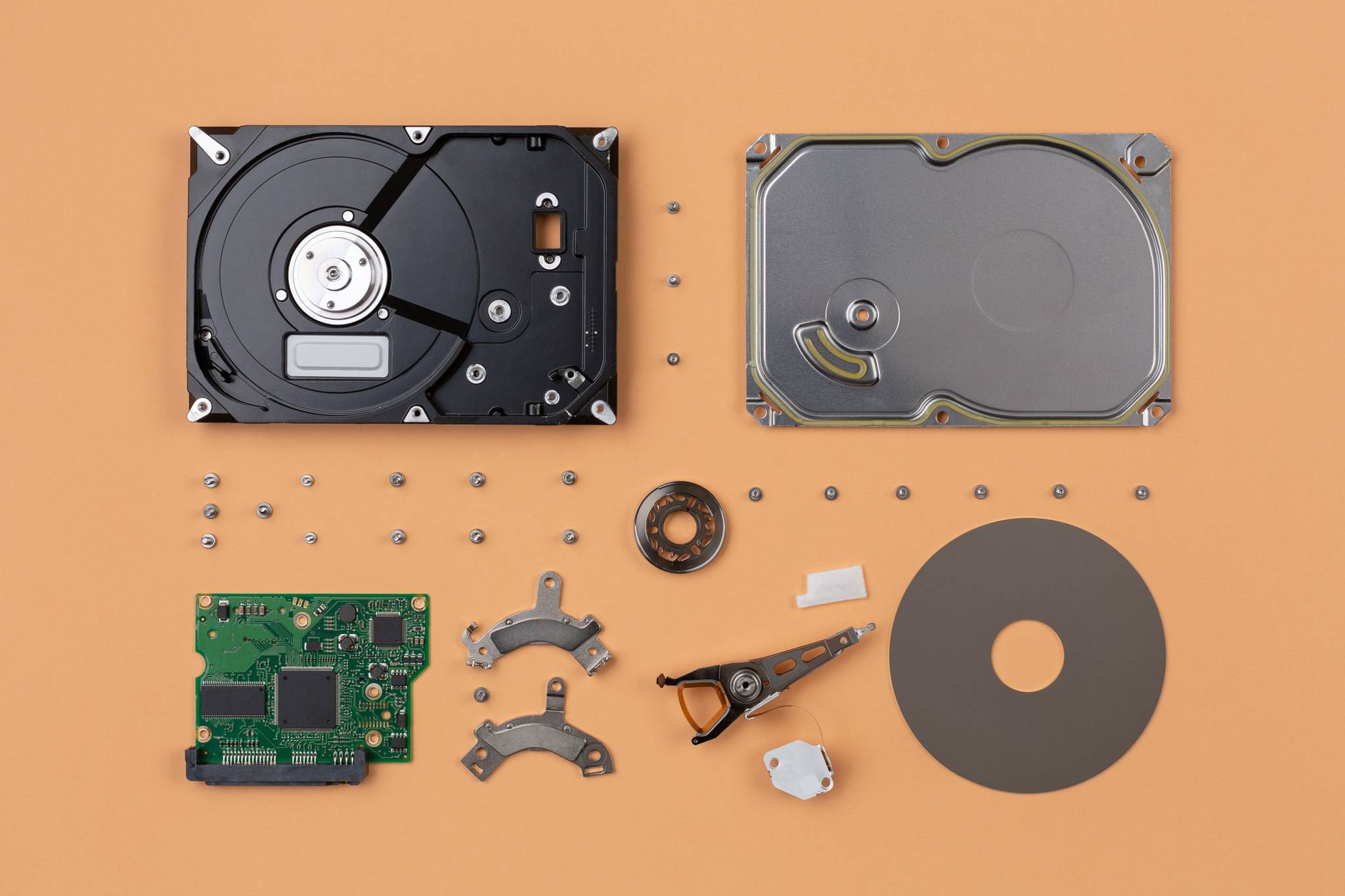

Electronics need more care in storage than most household items. Temperature swings, humidity, and static electricity can all damage circuit boards and internal components, leading to corrosion, warped parts, or a device that won't switch on when you take it out. This guide covers choosing a climate-secure unit, preparing your devices, and packing them properly so they come out working.
Key takeaways
Choose a climate-secure unit kept between 10°C and 25°C to prevent damage.
Remove batteries, clean devices, and back up data before packing anything away.
Use anti static bags for hard drives and other sensitive components.
Keep electronics on shelving, off the floor, with cables labelled and organised.
Why electronics require special care
Electronics are delicate, and their sensitive components (circuit boards, internal mechanisms) don't cope well with temperature swings, moisture, or static electricity. Even brief exposure can cause damage that's expensive to fix or leaves a device unusable.
The main risks to watch for:
- Moisture build-up: corrodes internal components and is one of the most common causes of serious damage in long-term storage
- Temperature fluctuations: cause materials to expand and contract, leading to physical damage over time
- Static electricity: can quietly destroy sensitive parts, especially during handling or transport
- Dust accumulation: clogs ventilation systems and causes overheating
In the worst cases, poor preparation makes a device impossible to repair or recover data from, so it's worth packing your storage unit properly from the start.
Choosing the right storage unit

Selecting the right storage unit is crucial for protecting sensitive electronics. Climate-secure units are the best choice, as they maintain consistent temperature and humidity levels. This matters more than people expect: electronics should stay between 10°C and 25°C to remain in good condition, and units without climate security can swing well outside that range, risking extreme heat, cold, or moisture build-up.
When evaluating self storage facilities, look for:
- A clean unit, to minimise dust accumulation
- Enough space to organise items without overcrowding
- Strong security, such as surveillance cameras, secure access systems, and on-site staff
- Shelving units, which keep electronics off the ground and improve airflow
Elevating items off the floor reduces the risk of moisture damage and makes your belongings easier to access and manage. A well-organised, secure unit is essential for storing electronics safely.
Preparing your electronics for storage
Proper preparation is key to safely storing electronics. Before packing, clean your devices with a soft or microfiber cloth to remove dust and debris, and use compressed air to clear ports and internal fans. This prevents dust build-up that could affect performance later.
A few other steps to take before you pack anything away:
- Remove batteries: they can leak over time and cause corrosion, so take them out of gaming consoles, remote controls, and any other devices. Store rechargeable batteries separately in a cool, dry place, and power down any device where the battery can't be removed
- Use original boxes where possible: these offer the best fit and often include protective foam inserts
- If original packaging isn't available: use sturdy boxes slightly larger than the device, and fill gaps with anti static bubble wrap or packing peanuts rather than wrapping electronics directly in plastic, which traps moisture
- Back up your data: hard drives, laptops, and external hard drives should all be backed up before they go into a box, so you don't risk losing important files
Taking these steps ensures your electronics are well-protected and ready for storage.
Anti static bags and protecting vulnerable items
Use anti static bags for sensitive components like hard drives and motherboards to protect against electrostatic discharge, which can corrupt data as well as cause physical damage. These small items are easy to overlook next to bigger equipment, but they're often the most expensive to replace if something goes wrong. Silica gel packets inside the boxes help absorb moisture and reduce the risk of humidity damage.
Managing cables and labelling cords
Cables and small accessories are one of the most overlooked parts of preparing electronics for a self storage unit. A few habits make a difference:
- Label cables and accessories, so you're not guessing which cable belongs to which device months later
- Use cable ties to keep cables untangled and easier to fit into boxes without damage
- Label small parts like chargers to avoid confusion when you set everything back up
- Store cables separately in labelled bags, organised by device, so reassembly is straightforward
Taking the time to label and organise cables properly means your electronics are ready to use as soon as you unpack them.
Packing and organising in the storage unit
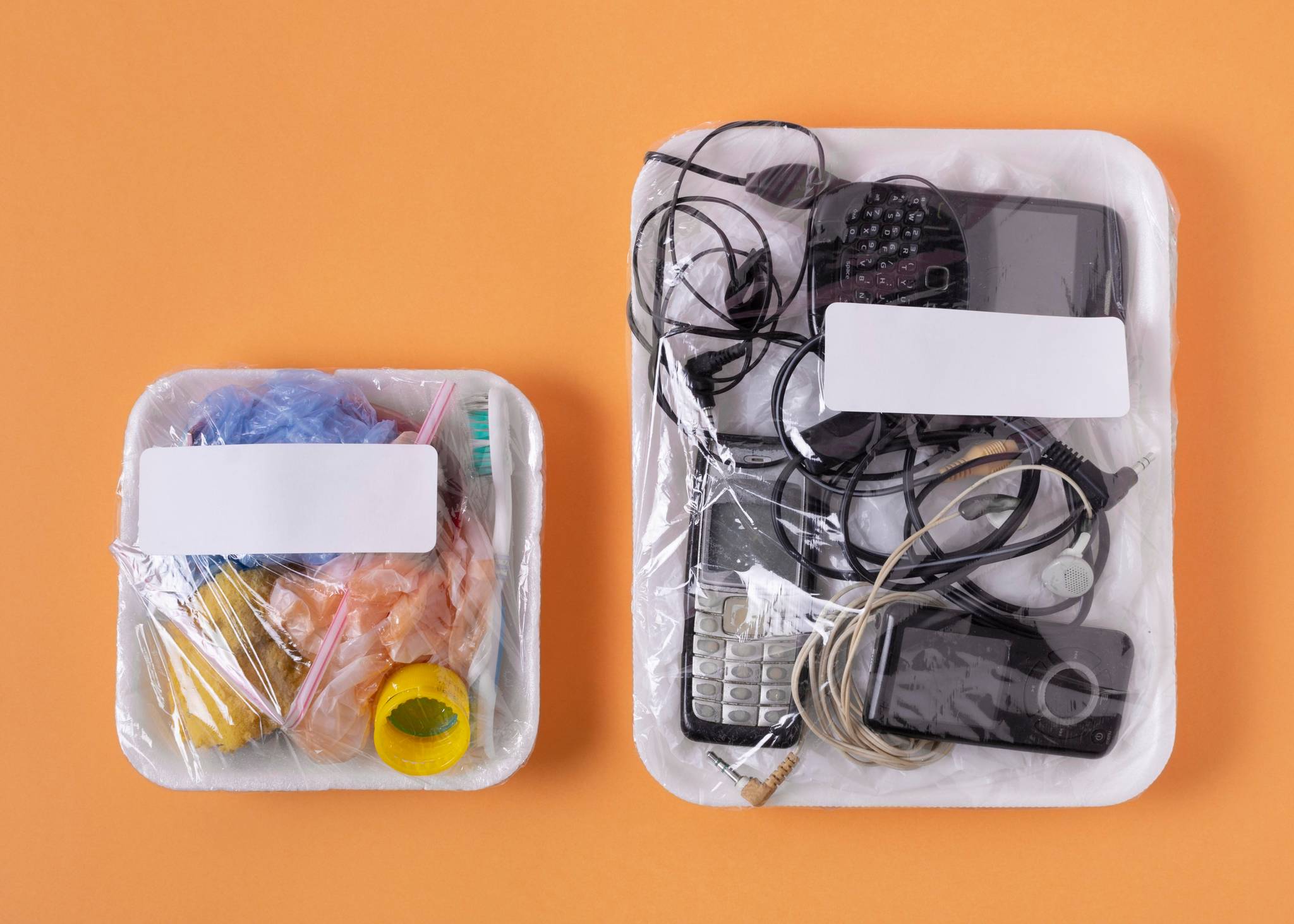
Once your electronics are prepared, proper organisation is vital to avoid accidental damage. Choose a layout that allows easy access and prevents overcrowding, especially if you need to retrieve items periodically.
A few things to keep in mind as you pack:
- Avoid stacking boxes too high: weight from boxes above can damage items at the bottom, so place heavier boxes on the floor and lighter ones on top
- Use shelving units to keep electronics off the ground, protecting them from water damage and improving airflow
- Secure boxes with strong tape and fill gaps with packing materials to prevent movement; double-boxing sensitive electronics adds extra protection for long-term storage
- Label each box clearly with its contents and handling instructions, such as "Fragile" or "This Side Up"
- Keep an inventory list of stored electronics, so items are easy to locate and nothing gets misplaced
Properly packed, labelled boxes make accessing and managing your electronics much simpler down the line.
Best practices for long-term storage

Storing electronics long term requires a bit more care to keep them in good condition. Inspect your unit regularly to catch issues early: look for signs of moisture build-up, such as condensation or a musty smell, and address them straight away before they cause lasting damage.
A few habits make a real difference over time:
- Use a climate-secure unit like those at HOLD, which maintain stable temperature and humidity levels and protect sensitive electronics from prolonged heat or cold
- Keep items organised on shelving, with enough space between boxes for proper ventilation, and avoid stacking heavy items on top of fragile ones
- Replace silica gel packets periodically to keep moisture absorption effective
- Check packing materials for wear or damage and replace them where needed
Staying on top of these steps reduces the risk of corrosion, battery leakage, and physical damage building up unnoticed, keeping your electronics in excellent condition throughout their time in storage.
Tips for transporting electronics to the storage unit

Transporting electronics takes as much care as storing them. Pack devices securely with bubble wrap and sturdy boxes, and use anti static bags for extra protection on sensitive components.
A few things to keep in mind on the day:
- Avoid stacking heavy items on top of electronics when loading your vehicle
- Secure boxes so they can't shift during the journey, as sudden movement can cause damage
- Place fragile items in the vehicle's interior rather than the boot, to limit exposure to temperature fluctuations
- Choose a storage provider with easy access, so your electronics spend less time outside in extreme temperatures
- Plan your transport for cooler parts of the day to avoid unnecessary heat exposure
Taking these precautions ensures your devices arrive at the storage unit in excellent condition, ready to be stored safely.
Conclusion
Proper storage protects your electronics, and it comes down to choosing the right unit, preparing devices carefully, and following good practice for packing and organisation. HOLD Self Storage provides a reliable, secure option for all your storage needs, making it easier to store your electronics safely.
HOLD can help you with all your storage needs
HOLD offers flexible, 24/7 access self storage in London, with options suited to different needs, from managing business inventory to student storage between semesters.
Our facilities are built around first-class security and practical amenities, so whether you're transferring a unit to a family member, storing extra stock for a business, or just need a bit more space, there's a straightforward option for you.
Get in touch for a free quote or to find out more about our self storage service.

Frequently Asked Questions
While you can store electronics in a standard storage unit, a climate-secured storage unit is highly recommended. This prevents damage from extreme temperatures and humidity, ensuring your devices remain safe.
Use sturdy boxes, bubble wrap, and packing peanuts to protect your devices. Anti static bags are ideal for sensitive components, and silica gel packets help reduce moisture build-up.
HOLD Self Storage's box shop offers a wide range of packing materials, including bubble wrap, sturdy boxes, and packing peanuts.
HOLD Self Storage offers secure, climate-controlled units with features like shelving and top-notch security measures. Their facilities are designed to ensure your electronics are stored safely and remain in excellent condition.