
Key takeaways
Start in advance so your pet’s routine stays more normal
Use one room as a safe base before and during moving day
Keep car transport secure to reduce stress and travel sickness
Expect settling to take weeks, sometimes a few weeks longer for cats
If you're a pet-owner preparing for the big day, the last thing you want is for your furry family member to be distressed. The following tips can help you ensure a stress-free move and help your pet settle into their new surroundings.
Before you move

Create a safe room in one room
Pick one room in your current home that stays quiet. This is your safe room for the pet moving plan. Set it up with bedding, toys, and fresh water. For cats, add a litter tray in a corner and keep the door shut once packing starts.
It’s a good idea to begin a few days in advance. That gives your pet time to relax there before moving day.
Keep your pet’s routine steady
Moves feel stressful because everything changes at once. Keep your pet’s routine as normal as possible, including walks, sleep cues, and meals.
Stick to your feeding schedule and don’t introduce new food right before the move. If your pet tends to worry, keep their space calm and predictable.
Get pet travel ready early
If the car isn’t your pet’s favourite place, do short pet runs in advance. Keep them brief, calm, and consistent.
For cats, leave the carrier out so it doesn’t only mean the vet.
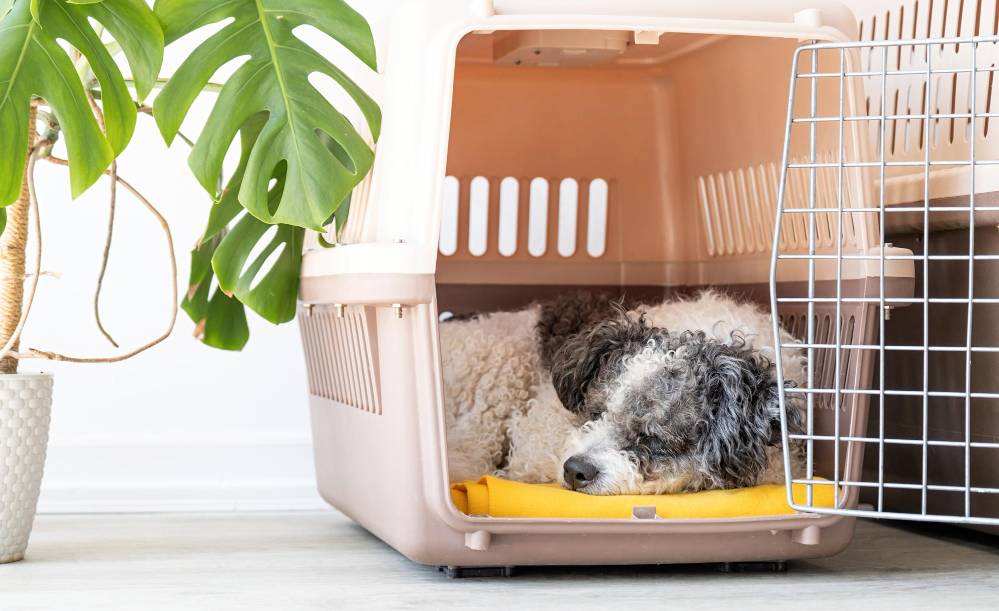
For a dog, introduce a crate early, add bedding, and reward calm behaviour.
If you’re unsure what setup is best, do a little research and ask your vet for advice.
Prep the new place
If you can, visit the new place and check windows, door gaps, and any hazards.
If there’s a new garden, check fences and gates so you can secure it before your pet explores. This is especially important in the first weeks in a new area.
Arrange help if you need it
Some pet owners ask a friend or family member to help on moving day. It’s a good idea if your dog struggles with strangers or if your cats are likely to hide.
If you’re using removal people, tell them a pet is in a room and ask them not to open that door.
On moving day
Keep your pet out of the chaos
Moving day is the riskiest part of moving house for pets. Put your pet in the safe room before anyone starts carrying boxes.
Keep fresh water available, add familiar toys, and keep the room quiet. If your pet is staying with family, pack their essentials separately so nothing gets forgotten.
Feed and travel smart
On moving day, lighter meals can help reduce travel sickness. Feed earlier than usual if you can, then offer small sips of water rather than a big drink right before the car.
For a long journey, plan breaks and keep a lead handy for quick comfort stops. A calmer rhythm makes the whole move more stress free.
Load your pet last
It’s a good idea to load your pet after most items are out and the old home is quieter. Fewer open doors means fewer escape risks.
Aim for a calm exit, then a calm arrival at the destination.
Pet travel and transport
Choose secure transport that suits your pet
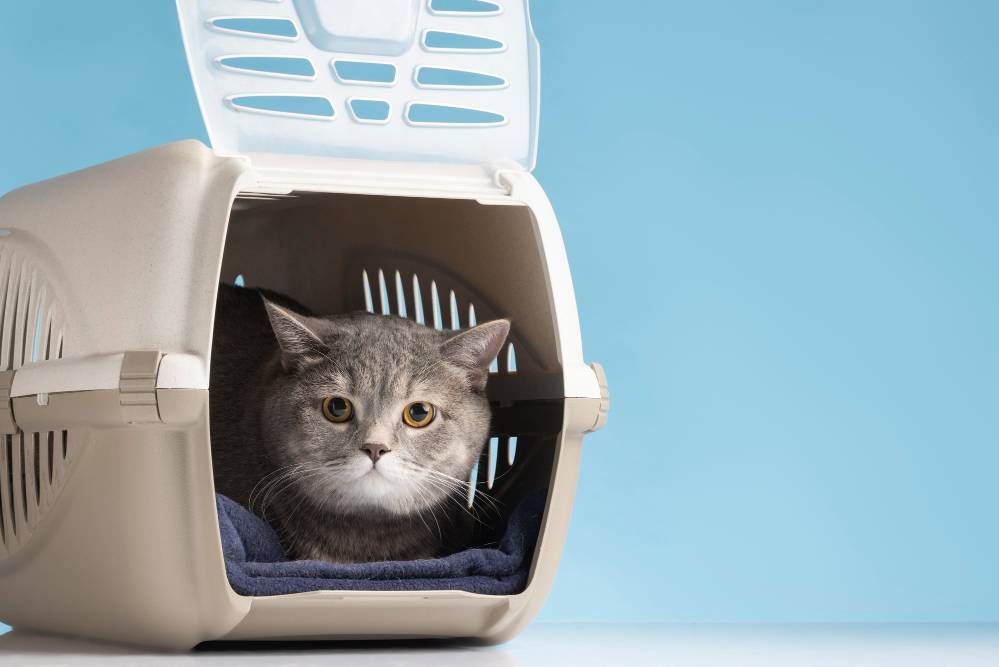
For cats, a secure carrier or crate is the safest option.
For a dog, use a secure harness or crate, depending on what they’re used to.
If your dog rides in the back seat, use proper restraints so they can’t climb forward. Secure travel reduces stress and can lower the chance they feel stressed.
Keep the car comfortable
On a hot day, cool the car before your pet gets in. Never leave a pet alone in a parked car, even for a short time.
Bring fresh water, wipes, and a towel. Keep the car calm to limit new sights and sudden noise, especially for anxious pets.
UK transport basics
For most pet owners moving home, the key is safe transport and a secure setup. Use a carrier, crate, or restraint designed for animals, and drive smoothly.
If your pet has a history of travel sickness, speak to your vet in advance and don’t trial anything new on moving day.
Settling into your new home

Set up one room first
When you arrive, set up one room first in the new home. This quickly makes the new surroundings feel less overwhelming.
Put down familiar bedding, add toys, and offer fresh water. For cats, place the litter tray in a quiet spot and keep them in that room at first.
Let your pet explore in stages
Let your pet explore the house gradually. Start with the room, then open up the next space once they’re calm.
For a dog, use a lead indoors at first if they’re overexcited.
For cats, a slower approach is often less stressful, and it supports settling.
Keep routines steady in the new area
For the first weeks, consistency matters. Keep walks at similar times and keep meals steady so life feels normal again.
A good walk at the same time each day helps a dog relax. Many pets feel comfortable within a few weeks, but some need longer. That’s normal.
Garden introductions
If you have a garden, secure it before your pet explores. Walk the boundary, check gates, and look for gaps.
For dogs, start on a lead, then ease off once you’re confident it’s safe. For cats, take it slower and avoid a sudden rush into the world outside.
Update contact details
Update contact details as soon as you can. Make sure your pet’s id tag shows the new address and a working number.
Also, update microchip records and any vet registration tied to your address. It’s easy to forget in the moving process, so add it to your plan.
Example: save your new address and emergency numbers in your phone notes.
How HOLD Self Storage supports your move

If your move dates don’t line up neatly, HOLD Self Storage gives you breathing space. You can put furniture, spare boxes, and the “not right now” stuff into secure storage and keep your home calmer while you get settled.
You’ll also get free 24-hour access to your storage unit, flexible month-to-month contracts, and an online Box Shop for any last-minute packing bits you’ve run out of.
Frequently Asked Questions
It’s a simple settling guide. Many dogs take about 3 days to decompress, 3 weeks to learn the new routine, and 3 months to feel fully at home. It’s not a rule, but it helps set expectations.
It can be. A dog may react to noise, change, and unfamiliar smells. A safe room, normal walks, and secure travel help reduce stress and support settling.
Use secure transport your pet already tolerates. Cats should travel in a carrier or crate. Dogs should travel secured with a harness or crate, with breaks on a long journey and access to fresh water.
It can be. A dog may react to noise, change, and unfamiliar smells. A safe room, normal walks, and secure travel help reduce stress and support settling.
Absolutely. HOLD’s Box Shop has a full range of high-quality moving boxes, wraps, and furniture covers.