

Key takeaways
If dates might change, pack non essentials before daily-use items
Box size affects cost and effort, so match boxes to weight
Overfilled boxes risk injury and damaged breakable items
Keep one clear essentials box and label boxes with a brief description
A big move gets easier when you follow one simple system. You’ll clear out first, pack one room at a time, and keep essentials easy to reach, so you don’t lose all the things you need day to day.
Use this guide to stay organised, avoid breakages, and unpack faster.
Store your packed boxes with HOLD Self Storage: climate secure units, 24-hour access, and a London price match, ideal for moving house.
Quick packing plan for moving house
Here's a 1-minute plan that works for most homes:
Set up one packing zone, then start packing non essentials.
Pack one room per session, then close the door.
Label boxes by room and a brief description.
Keep valuables, important documents, and your essentials box with you.
For a simple checklist you can follow line by line, use our downloadable moving home checklist early.
Do this before you touch a box
Spend 20 minutes setting up so packing stays tidy. Choose one room as your packing zone and keep a marker, packing tape, labels, and wrapping materials there. If you still need to find boxes, do it now.
Make a rough list of what won’t go in the van, then measure tight corners and decide what furniture needs disassembly.
Read our blog on where to find free and affordable boxes, or purchase affordable packing materials at our online box shop.
Declutter before moving with a fast checklist
Decluttering makes packing cheaper, faster, and less exhausting. It also reduces how many boxes you need, and how fast you fill all the boxes.
Set up four piles in each room: keep, donate, sell, discard. Do this at least two weeks before packing, so decisions are easier.
Use these quick prompts to clear out without overthinking. They’re simple packing tips that keep the packing process moving.
Wardrobe: if it doesn’t fit or suit, donate.
Kitchen: keep only what you’ve used in 30 days.
Bathroom: bin expired products and half-used bottles.
Loft or garage: discard broken gear and old paint.
If you’re unsure, ask one question: have you used it since your last move?
Packing supplies list for a UK house move
Good supplies make packing to move safer and quicker. Flimsy materials lead to crushed boxes and broken items.
Must-have materials:
Strong double-walled boxes in mixed sizes
Packing tape and thick markers
Bubble wrap for fragile items
Packing paper for glass and ceramics
Labels and a simple colour system
Trash bags for rubbish and quick clear outs
Nice-to-have materials:
Stretch wrap for drawers and furniture
Wardrobe boxes for hanging clothes
Plastic crates for stacking heavy items
Mattress covers for a clean new home
How many boxes?
As a starting point, plan 8 to 12 boxes per room
Use small boxes for books and tools. Save bigger boxes for light, bulky items like bedding and towels.
Packing timeline for moving day
A timeline keeps packing under control and gives you slack if dates move.
6 to 8 weeks before: begin packing seasonal items and low-use areas like the attic, garage, and guest room.
3 to 4 weeks before: pack décor, spare linens, and most books. Top up boxes if you’re running low.
2 weeks before: pack the dining room and most of the living room. Set aside valuables you’ll carry.
Final week: pack kitchen items you can live without, leaving one pan and one plate per person.
Last 48 hours: pack the essentials box and the final bathroom items.
Want a realistic time estimate by property size? Read our article on how long it takes to pack a house.
What to pack first and what to leave until last
Pack what you use least, so daily life stays normal. It’s the easiest way to start packing without regret.
Pack first: loft boxes, spare room cupboards, off-season clothes, books, and hobby kit. Sort and pack sentimental items in a calm session, not the final night.
Leave until last: kettle, mugs, chargers, and essential toiletries. Keep one box open for last-minute pack things like remotes.
If dates are uncertain, focus on non essentials and avoid dismantling key furniture too early.
Where to put packed boxes so your home stays usable
Packed boxes multiply fast, and it’s easy to lose track. Give them one “parking spot” in a single room so walkways stay clear.
Stack boxes along one wall, not across hallways. Put heavier items at the bottom and lighter items on top.
Keep a clear path to the kitchen and bathroom, especially in the final week.
If the house starts to feel blocked, storing packed boxes off-site can free up space and keep your packing zone safer.
Room-by-room packing plan
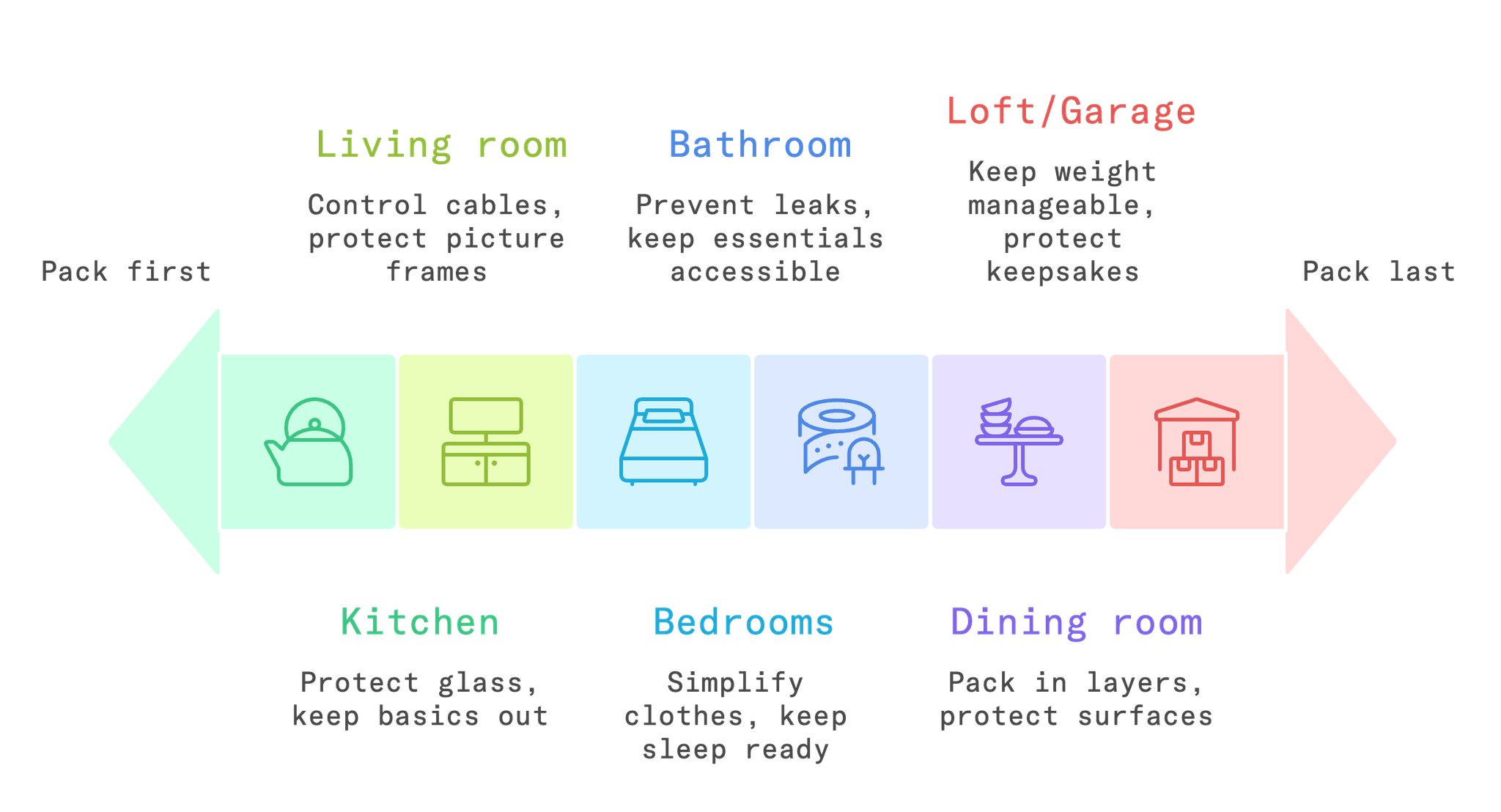
Use this mini-template in every room: pack first, manage fragile risk, avoid mistakes, then label.
Kitchen: protect glass and keep daily basics out
Pack first: duplicates, baking tins, and spare kitchen appliances you rarely use. Keep one pot and one cup per person for the first night.
Fragile risk: plates, glassware, and delicate items. Use packing paper, then wrap again with towels for shock absorption.
Common mistakes: overfilling boxes and mixing heavy items with glass. Pack heavy items like tins into small boxes.
Label example: Kitchen 1, plates and mugs, fragile.
Note: heavy items can cause injury if they’re lifted or tipped badly. If you’re moving a fridge freezer or washing machine, follow our step-by-step guides:
Living room: control cables and picture frames
Pack first: books, games, and décor from shelves. Group similar items together so unpacking is quick.
Fragile risk: picture frames, lamps, and breakable items on display. Wrap picture frames in bubble wrap or blankets, then tape the wrap.
Common mistakes: loose cables and missing remotes. Tape cables together and label each cable.
Label example: Living room 2, cables and remotes, open first.
Bedrooms: simplify clothes and keep sleep ready
Pack first: out-of-season clothes, spare bedding, and storage baskets. Leave clothes you wear weekly until the last week.
Fragile risk: mirrors and jewellery. Keep valuable items together and store valuables separately.
Common mistakes: mixing shoes with clean clothes. Use one box for shoes, and one box for folded clothes.
Label example: Bedroom 1, clothes and bedding, keep dry.
Bathroom: prevent leaks and keep essentials accessible
Pack first: backups, spare towels, and unopened items. Keep daily toiletries out until the final 48 hours.
Fragile risk: glass bottles and electric grooming tools. Seal lids with tape, then wrap and box upright.
Common mistakes: packing liquids without secondary protection. Put bottles into sealed bags inside a box.
Label example: Bathroom 1, toiletries, liquids upright.
Dining room: pack in layers and protect surfaces
Pack first: table décor, serving dishes, and spare glassware. Keep your everyday cutlery out until the end.
Fragile risk: china, glass, and serving platters. Wrap each item, then pad gaps with towels.
Common mistakes: stacking unwrapped items together. Use dividers or rolled paper between each piece.
Label example: Dining room 1, glassware, fragile items.
Loft or garage: keep weight manageable
Pack first: seasonal decorations and rarely used tools. Use small boxes for heavy items like books and hardware.
Fragile risk: old electronics and stored keepsakes. Use original boxes if you still have them.
Common mistakes: making one huge box of mixed stuff. Pack one room at a time, even in storage areas.
Label example: Loft 1, decorations, open last.
How to pack fragile and high-value items safely
Fragile items need consistent protection. Stop movement inside one box so nothing rattles on moving day.
Use bubble wrap for glass and ceramics, then towels to pad gaps. Pack breakable items upright, stand plates on edge, and fill every gap.
Keep valuables and important items with you in your own vehicle, not the van, including passports, birth certificates, and important documents. For artwork, double-wrap it and add a rigid outer layer.
How to label boxes so unpacking is faster
Clear labels save hours when you’re moving house. They help your removal company put boxes in the correct rooms.
Use a thick black marker and write on two sides: room, number, brief description.
Try this:
Room: Kitchen, Bedroom, Bathroom
Number: Kitchen 1, Kitchen 2
Summary: pans and utensils
Note: fragile, keep upright
Keep a quick inventory on your phone as you label boxes. Label furniture parts, and tape screws to the item.
Essentials box checklist for moving day
Your essentials box is what you need until the last minute, then first at your new home. Use a large clear box so you can spot it fast.
Pack these essential items:
Kettle, tea, coffee, mugs, and one snack box
Phone chargers, extension lead, and a small torch
Toilet paper, soap, towel, toothbrush, and wipes
Basic tools, scissors, and spare batteries
Cleaning spray, cloths, bin liners, and gloves
First aid kit plus a small aid kit for the car
Pyjamas, bedding, and a change of clothes
Add non perishable food items for the first night. Include pet food and bowls if needed.
Keep your essentials box with you in your own vehicle. Many people also pack a first week box with a coffee maker, toilet paper, and chargers.
Read St John Ambulance's guidance on what to put in a first aid kit.
Packing hacks that save time and prevent breakages
These packing hacks keep you moving home faster without cutting corners.
Clothes: keep clothes on hangers and group them, then use wardrobe boxes or a trash bag cover.
Tech: photograph plug setups, then pack cables in one labelled pouch taped to the device box. Use original boxes where possible.
Kitchen: pad pots with towels, pack lids separately, and keep one box of daily kitchen items open until moving day.
Speed: set up one packing station. Write labels before you seal boxes.What not to pack and how to handle hazardous items
Some items shouldn’t go in a moving van, especially flammables and pressurised cans. Keep safety first during a house move.
Do not pack:
Petrol, propane, or gas bottles
Fireworks, paint thinners, and strong solvents
Unsealed aerosols or leaking cleaning chemicals
Damaged or swollen lithium batteries
If you need to transport hazardous goods, follow UK dangerous goods guidance and keep quantities minimal.
Avoid plastic bags for stacking in the truck. They tear, slip, and don’t stack like boxes.
Use sturdy boxes for most items, and use trash bags only for rubbish or hanging clothes.
Should a removals company pack for you?
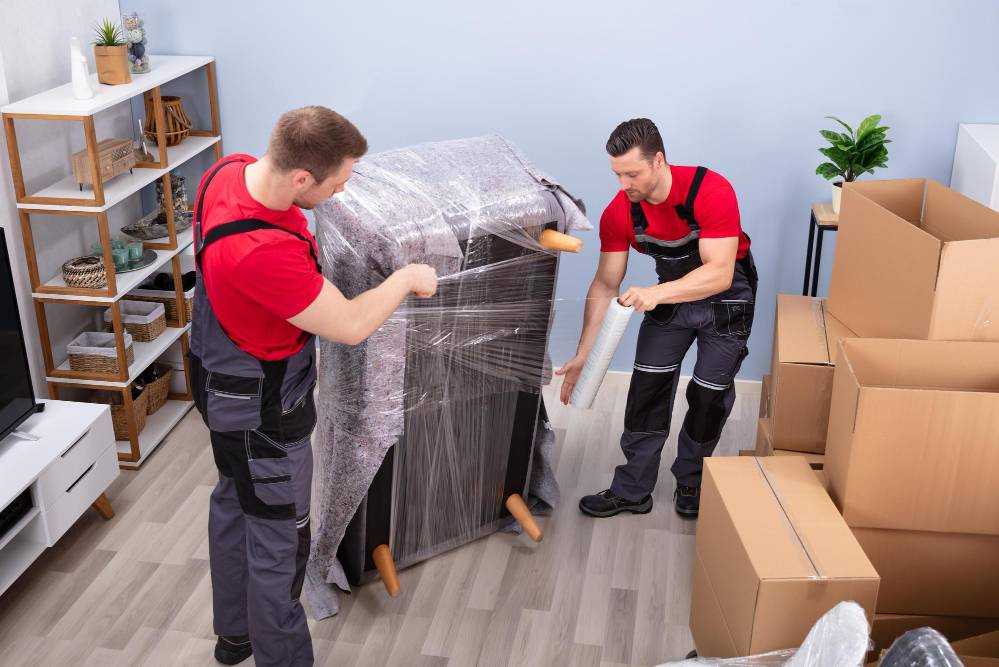
A packing service can be worth it if time’s tight. It can also reduce breakages because teams pack every day.
Most companies offer:
Full packing service: they pack the entire house
Part pack: they pack fragile items, then you pack the rest
Need to find a good removals company in London? Check out our 2026 guide:
Even with professional packing, keep valuables and important documents in your own vehicle. It’s the simplest way of protecting valuables.
Common packing mistakes to avoid
Overfilling boxes until you can’t carry them safely
Using big boxes for heavy items like books
Forgetting to label boxes on two sides
Mixing fragile items with heavy items in one box
Packing liquids without secondary protection
Dismantling furniture but losing screws and fixings
Packing essentials too early and opening boxes again
If you feel behind, begin packing one room only, then repeat tomorrow. Consistency beats panic.
Store boxes between homes with HOLD Self Storage
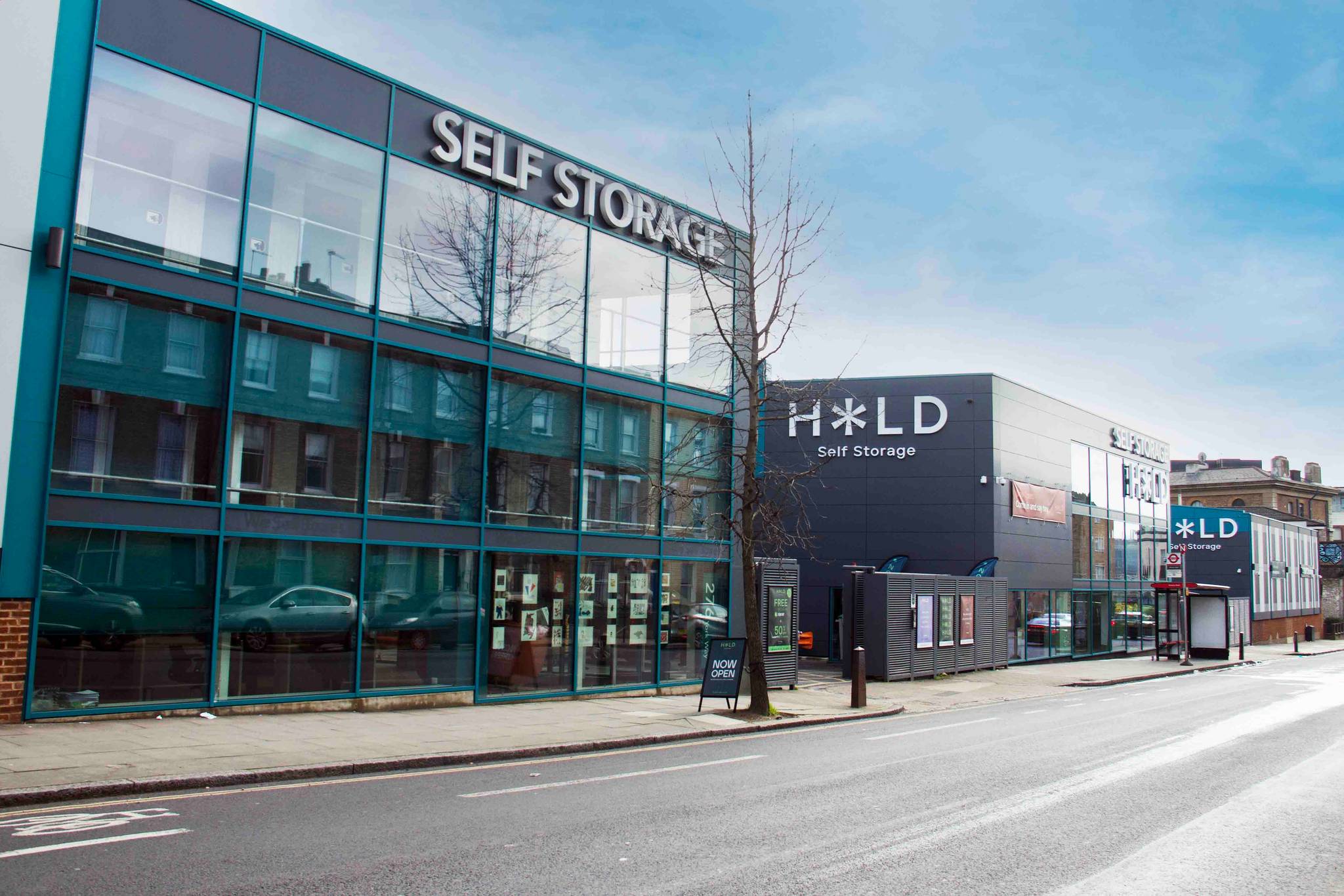
If you’re moving house and timings don’t line up, self storage gives you breathing room. It lets you clear rooms earlier, protect furniture, and keep the essentials easy to reach.
HOLD Self Storage is climate secure, with 24-hour access and tailored moving house storage, so you can store packed boxes and larger items until you’re ready to unload at your new place.
It’s also a short-term fix if your completion date shifts and you can’t move straight into your new house. Book online and get a guaranteed price match and 50% off the first 8 weeks.
Frequently Asked Questions
Reduce decisions. Declutter first, set up one packing station, then pack one room at a time so you can close it off and move on. Label as you seal and keep an essentials box for moving day.
Start packing 6 to 8 weeks before moving day if you can, beginning with non essentials and low-use areas. If your date might shift, keep daily-use items out until it’s confirmed.
Start with storage spaces and rooms you use least, then living spaces, and leave the kitchen and bathroom until last. It keeps the house usable and reduces repacking.
Usually the kitchen, because it has fragile items and daily-use essentials. Pack duplicates early and keep a small daily kit out until the final days.
Avoid flammables, pressurised cans, and anything that can leak. Keep valuables and important documents in your own vehicle rather than the van. If you’re unsure, treat it as hazardous and check UK guidance.
HOLD has advanced security measures that protect for our customers' business assets. These include:
- 24-hour CCTV
- Burglar alarms
- Regular checks
- Personal pin codes
- Individually alarmed units
- Fire detection systems
These features not only provide peace of mind, but also protect your business assets from potential threats.
No, but HOLD provides secure storage and coordinates with your chosen removal firm for smooth transport. Our units range from 10 to 300 sq ft with high security. .