
Key takeaways
Win the first impression before anyone steps through the front door
Use light, layout and editing to make rooms feel more spacious
Focus on the most important rooms buyers judge fastest
Keep it practical so you can maintain staging through viewings
Wondering how to stage a house for sale? Think of it like this: you’re not decorating for you. You’re creating a clean, inviting, easy-to-read version of the same home. These 20 tips leave no stone unturned, so prospective buyers can see the space, the flow, and the key features without distraction.
Before you start: the home staging mindset
A well staged home doesn’t need to look like a showhome. It needs to look cared for, bright, and easy to live in. That’s what gives potential buyers confidence.
Home staging also works because most people form an impression quickly. A calm, neutral, tidy space helps buyers focus on the property itself, not the current occupants. Compared with unstaged homes, a well staged home is easier to scan on a viewing and in photos. It helps buyers spot the space and key features faster.
And yes, staging can have a real impact. In the National Association of Realtors’ 2025 Profile of Home Staging, 29% of agents reported staging was associated with a 1%–10% increase in the value offered, and many agents observed reduced time on market.
(UK results vary by market, but the buyer psychology is consistent.)
20 home staging tips to help you sell
1. Treat the outside like the first room
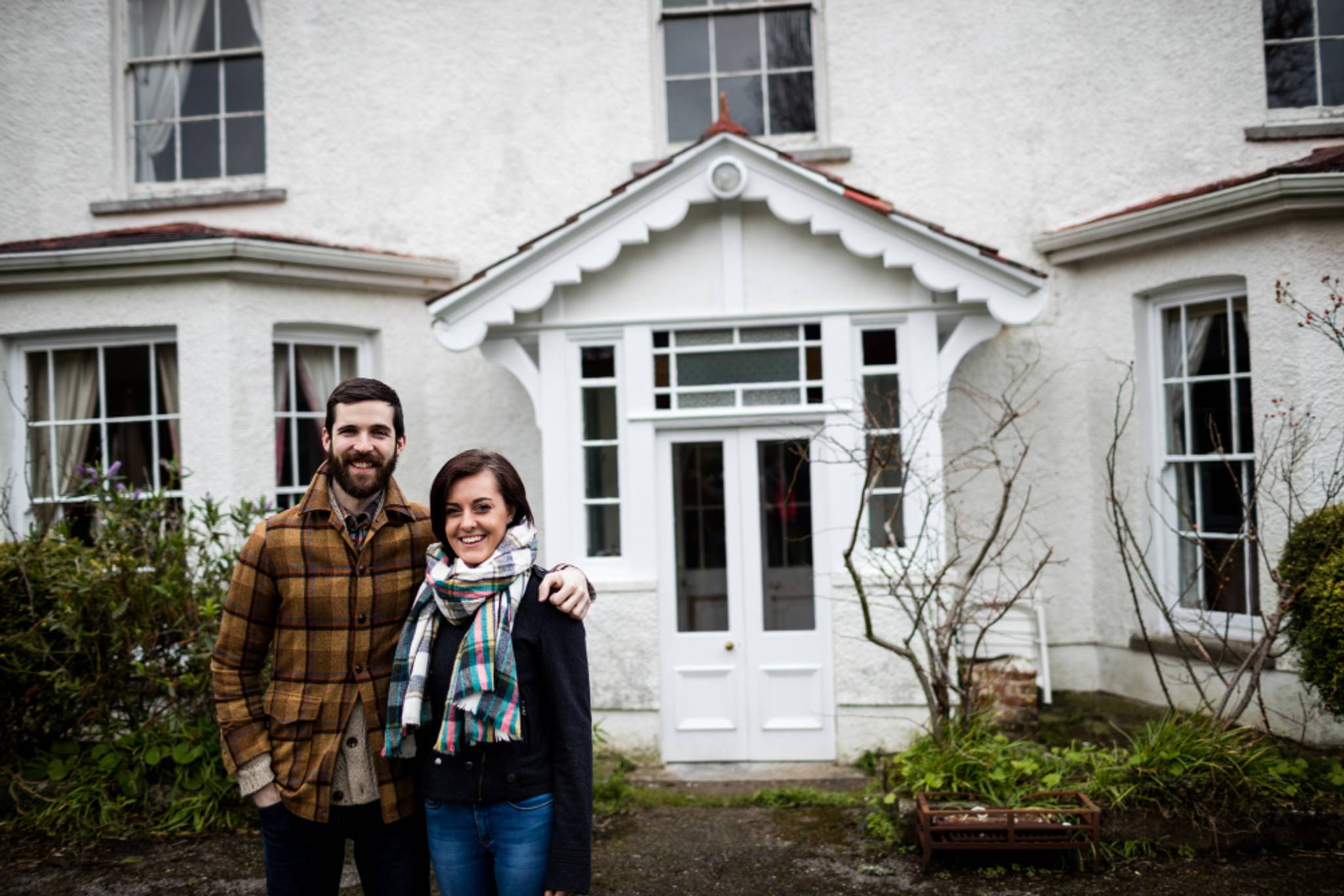
Curb appeal is often underappreciated, but buyers start deciding before they enter the house. Prune hedges and shrubs, pull weeds, and tidy the garden.
If there’s algae on paving, a quick power wash can make a huge difference. It’s one of the simplest ways to lift first impression.
2. Give the front door a “welcome” upgrade
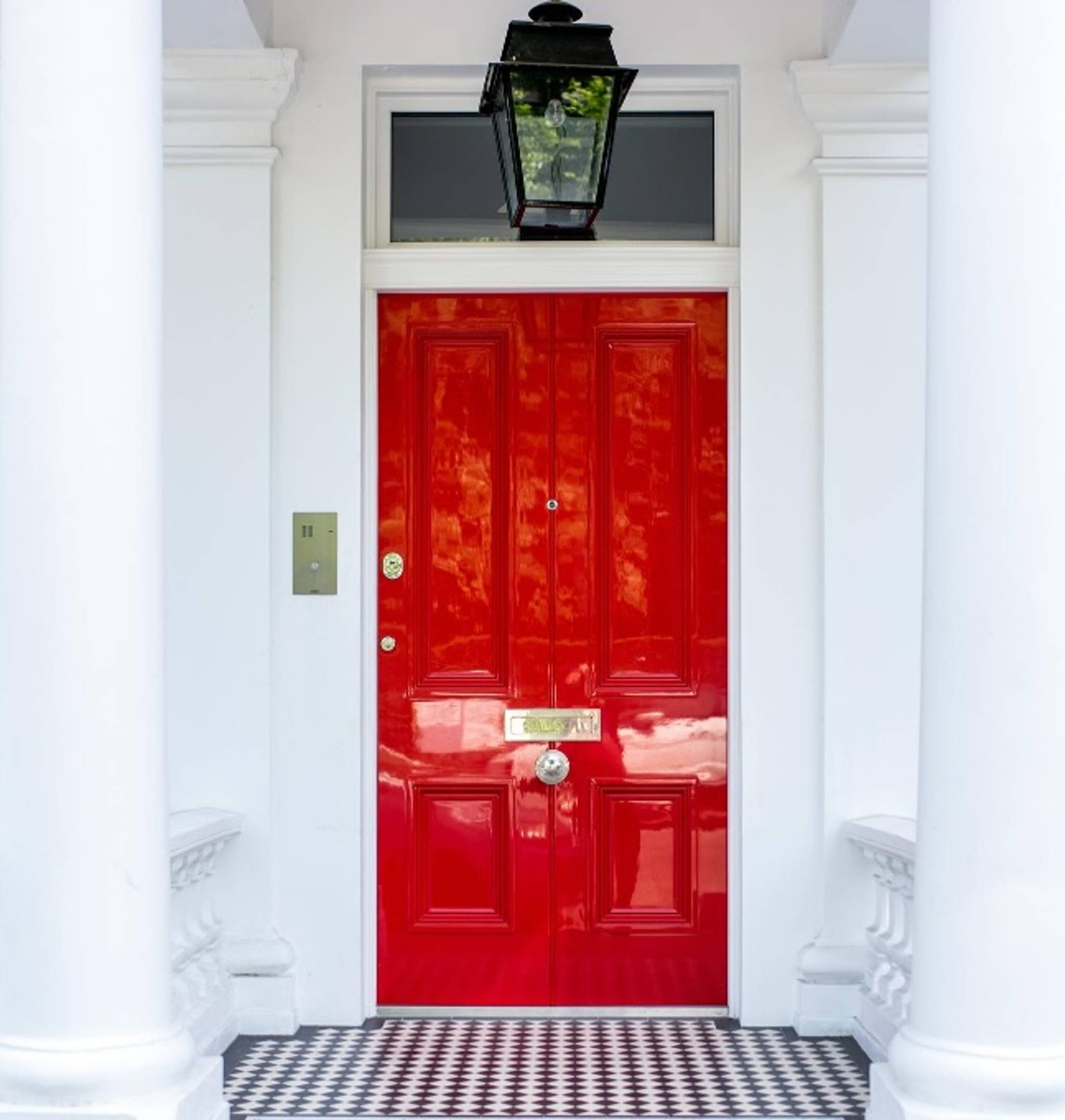
Your front door sets the tone. Clean it, fix loose hardware, and consider a fresh coat if it’s tired.
This kind of small update can make all the difference to that lasting impression.
3. Clear the path and make the entrance obvious
Move bins out of sight, clear the porch, and keep the approach clutter-free. If you’ve got a narrow hall, you want it to feel like an easy arrival, not an obstacle course.
A tidy space at the entrance also helps estate agent photos look more inviting.
4. Clean windows properly
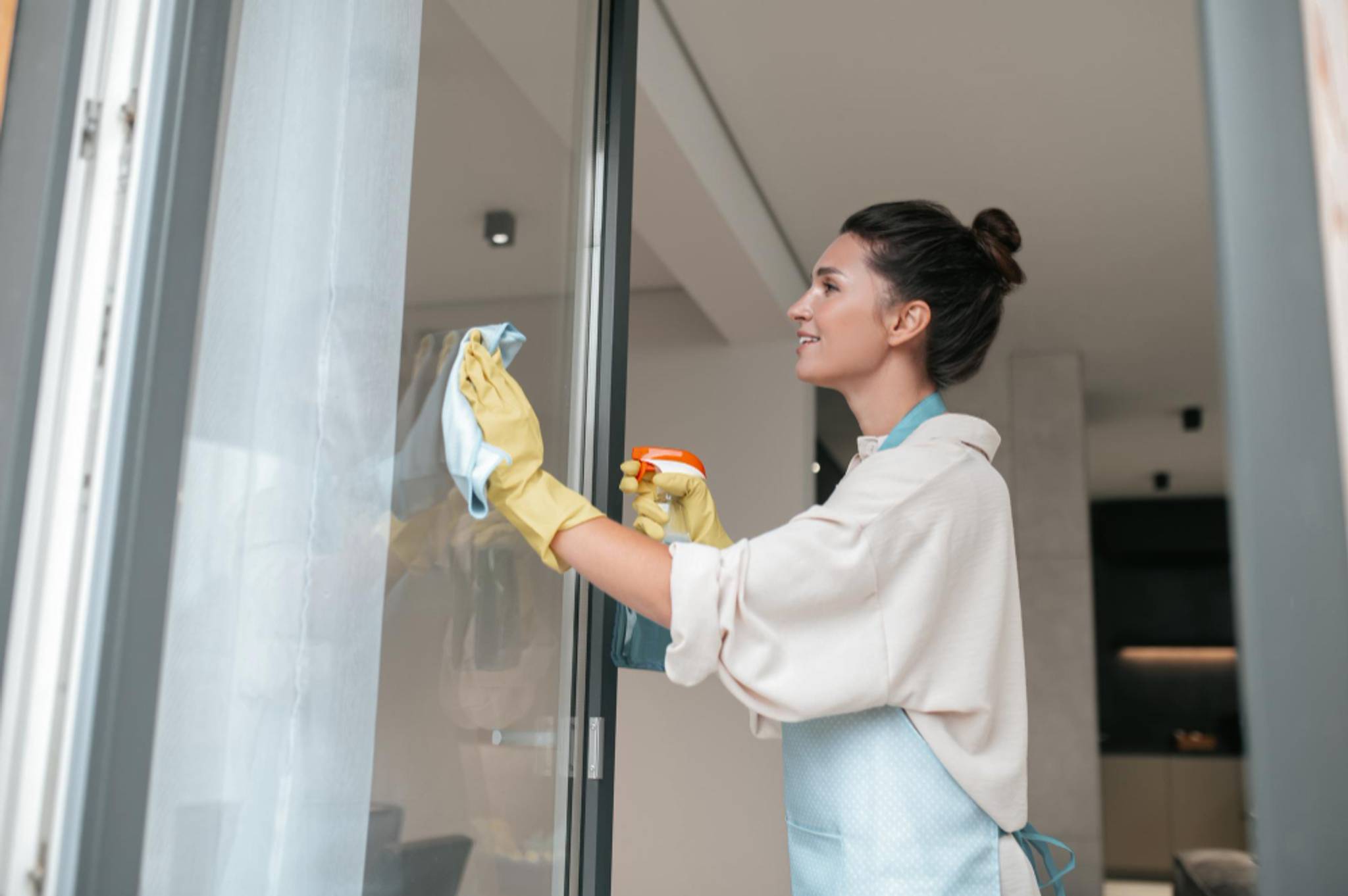
Clean windows boost natural light and make rooms feel brighter straight away. Clean frames and sills too.
It also avoids unpleasant surprises if a buyer opens a window during a viewing.
5. Maximise natural light in every room
Pull curtains back, open blinds, and remove anything blocking windows. If a room is dim, add a lamp and use warm-white bulbs.
Aim for as much natural light as possible. It can make a huge difference in how spacious rooms feel and how your property photographs.
6. Use mirrors to reflect light, not mess
Mirrors can reflect light and create the appearance of more space, especially in hallways and small rooms.
Position mirrors so they bounce light and show a clean view, not clutter or a busy shelf.
7. Start decluttering with a simple rule
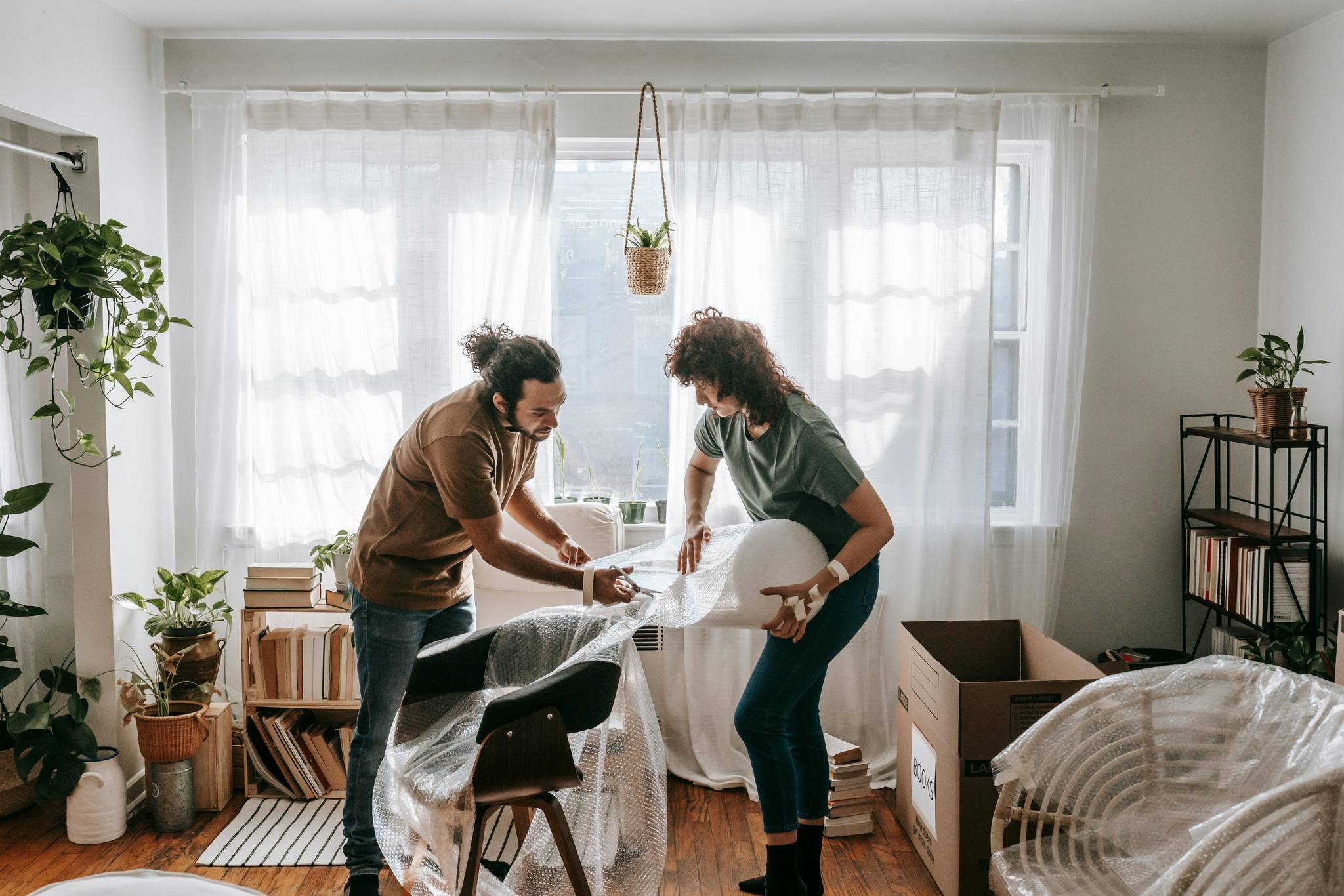
Decluttering is the first job in the home staging process: remove what you don’t need to show.
A good rule is “halve what’s visible”. Less visual noise helps rooms feel bigger and calmer, and it’s less off-putting for buyers.
8. Store, don’t stuff
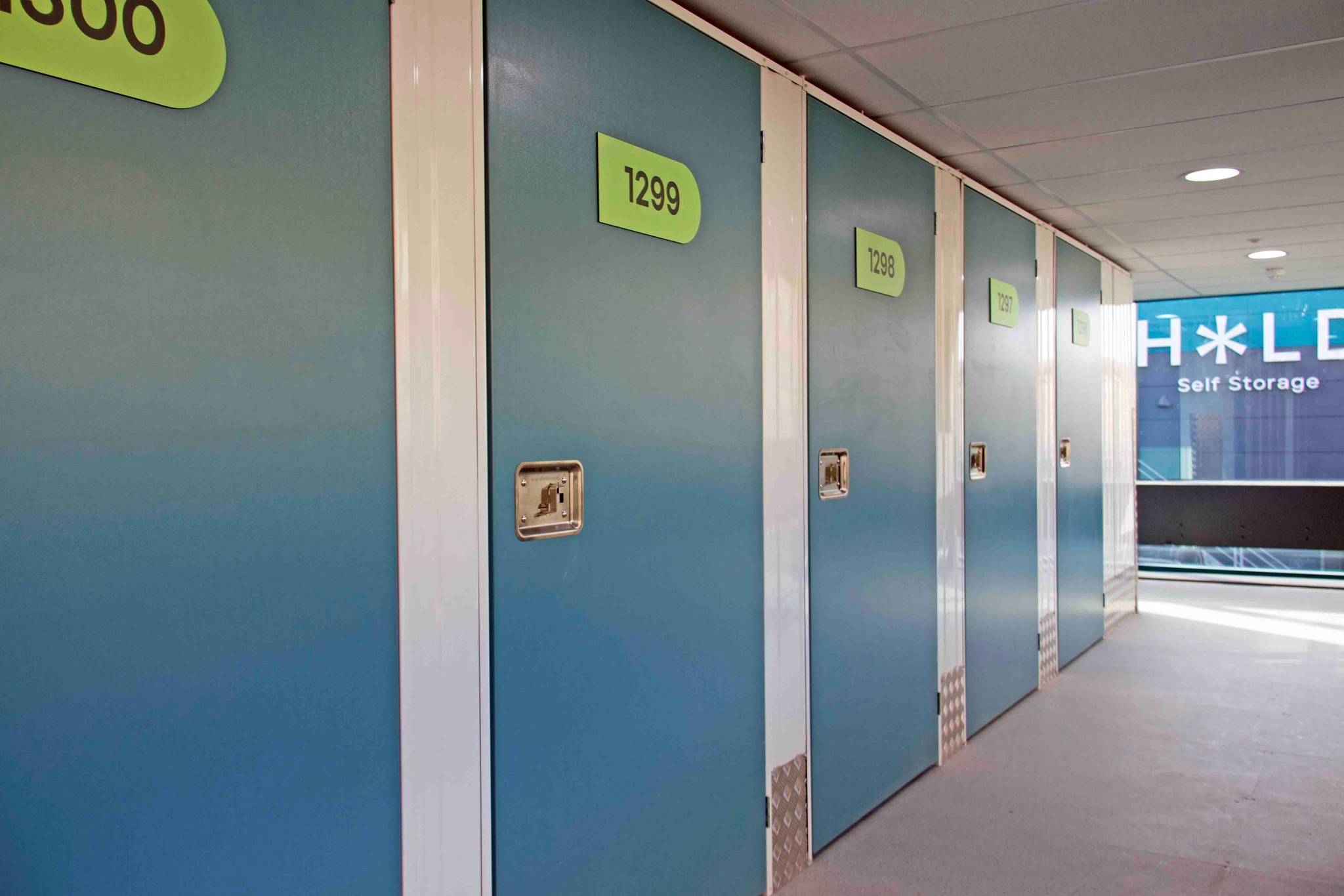
HOLD Self Storage units in Kings Cross
If you’re short on storage space, cramming cupboards full can backfire. Buyers open doors.
Instead, use a storage unit to move out bulky extras for the selling process. It’s one of the quickest ways to create more space without living uncomfortably.
Example: move spare dining chairs, bulky coats, kids’ gear, and overflow boxes into storage so cupboards and corners feel spacious.
If you want a simple way to do this, HOLD Self Storage has flexible contracts and 24-hour access, so you can dip in and out during the selling process.
9. Do a real deep clean, then maintain it
A clean home signals the property has been well cared for, which matters to most people viewing. Deep clean kitchens and bathrooms, polish taps, descale showerheads, and wipe skirting boards.
After that, keep a 10-minute “reset” routine before viewings so staging stays consistent.
10. Fix minor repairs that trigger doubt
Minor repairs are small, but they can devalue a house in a buyer’s mind because they hint at bigger issues.
Fix dripping taps, squeaky doors, cracked sealant, chipped paint, sticky windows, and loose handles. These are cheap wins that protect perceived value.
11. Choose neutral paint where it pays back
If your walls are bold, marked, or patchy, neutral paint helps you appeal to a wider audience. A fresh coat can brighten a room and help it reflect light.
You don’t need to repaint every wall. Focus on the important rooms and the areas that show wear fastest.
12. Depersonalise the story, not the warmth
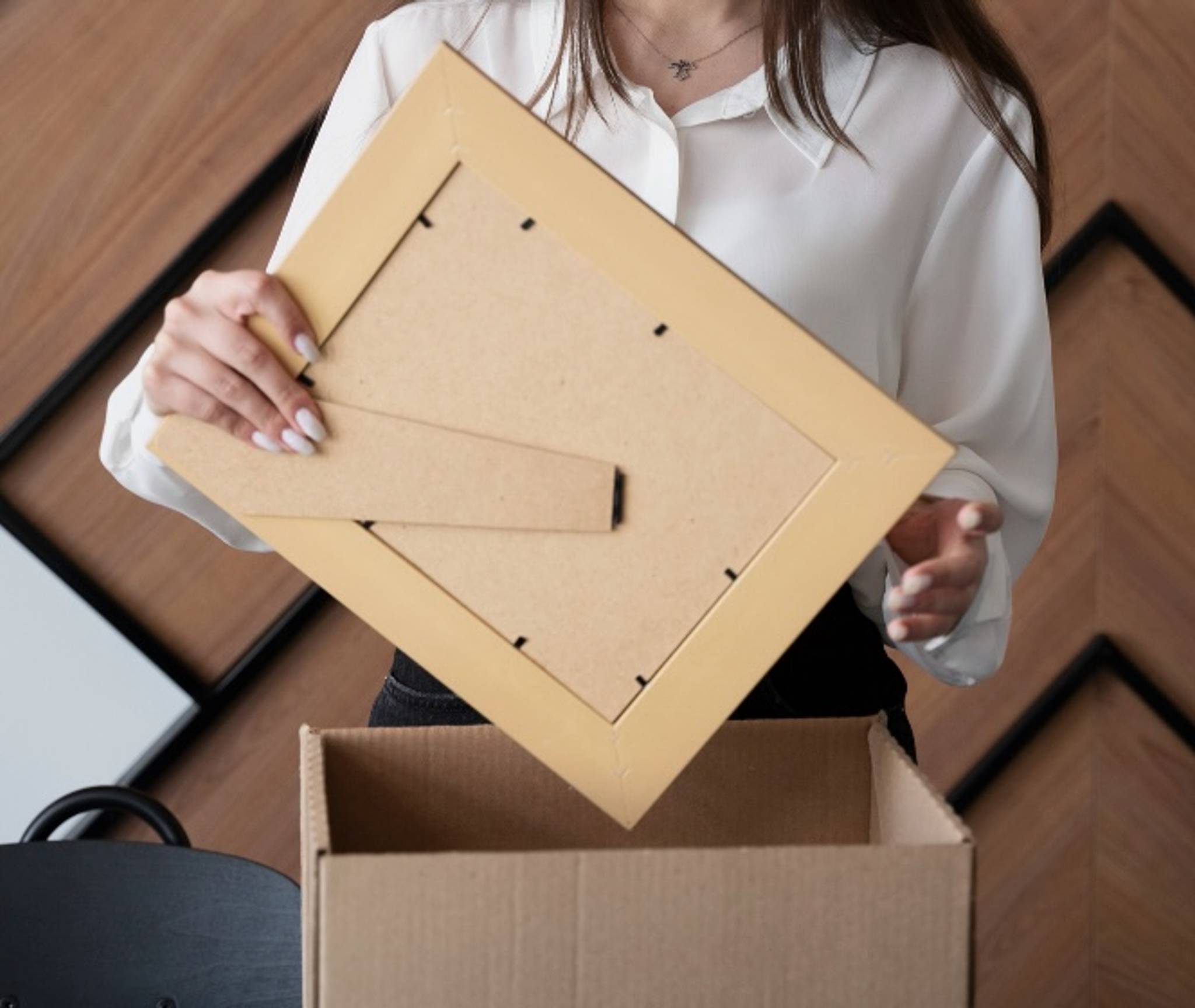
Home staging works when buyers can imagine themselves living there. That’s harder if the house is full of personal items.
Pack away personal photos, strong collections, and anything very specific to your personal style. Keep it warm with texture, not clutter.
13. Arrange furniture to show flow
Too much furniture makes rooms feel smaller, even if the room is a good size. If pieces look tired, refresh furniture with a throw or new cushion covers rather than replacing it
Arrange furniture to create obvious walkways. If there’s a “squeeze point”, remove a piece rather than forcing it to fit. This can make all the difference to how the space reads.
14. Make small rooms feel intentional
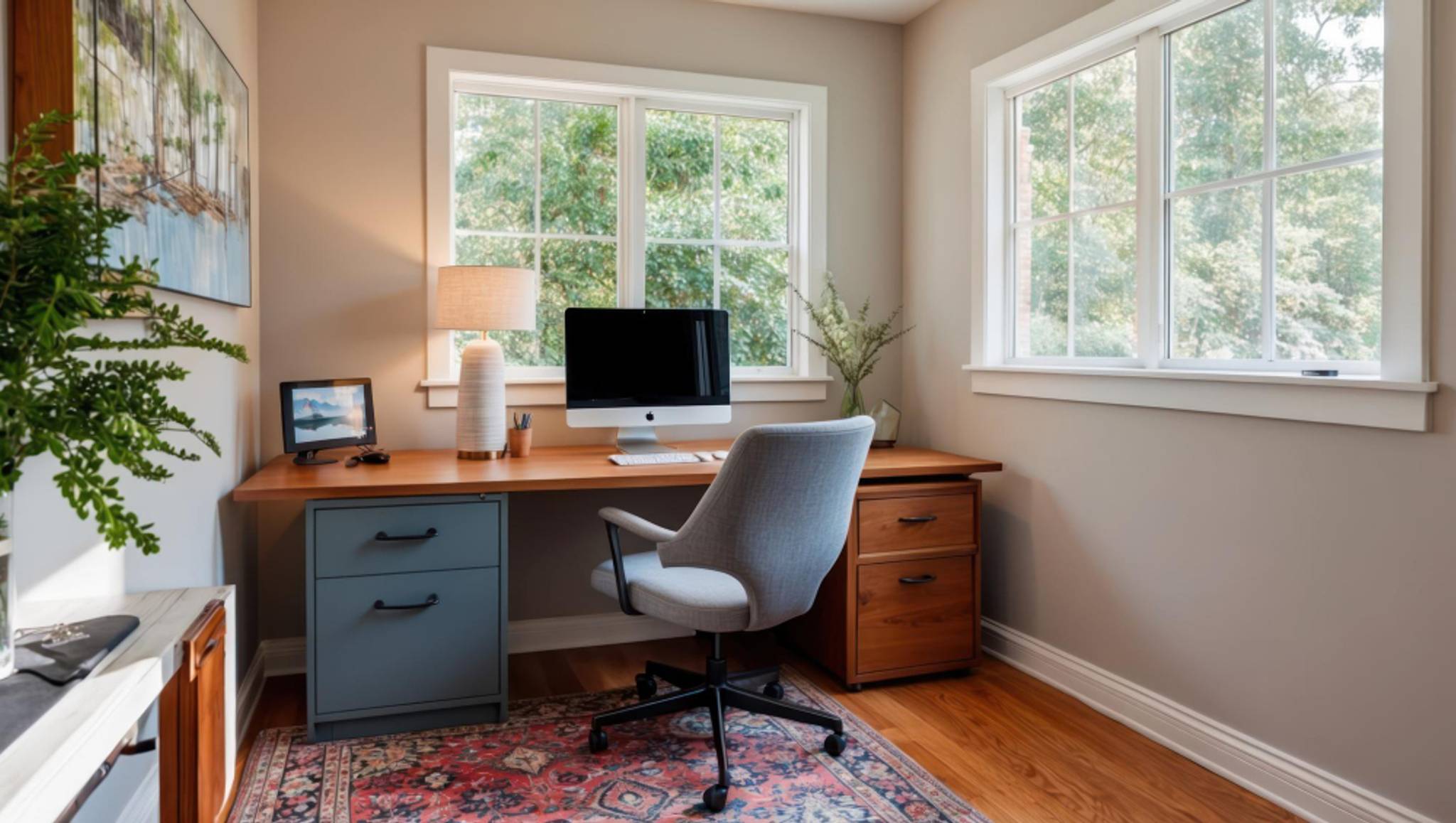
Small rooms sell best when they have a clear purpose. Stage a box room as a home office, nursery nook, or dressing room.
Don’t try to force a double bed into a tiny room. A smart layout will make a bigger difference than wishful thinking.
15. Highlight key features in every room
In each room, ask: what should buyers notice first? A fireplace, a bay window, ceiling height, a view, period details?
Home staging is partly about removing distractions so the key features stand out. Your estate agent will often tell you what buyers respond to locally.
16. The kitchen: clear counters and simplify
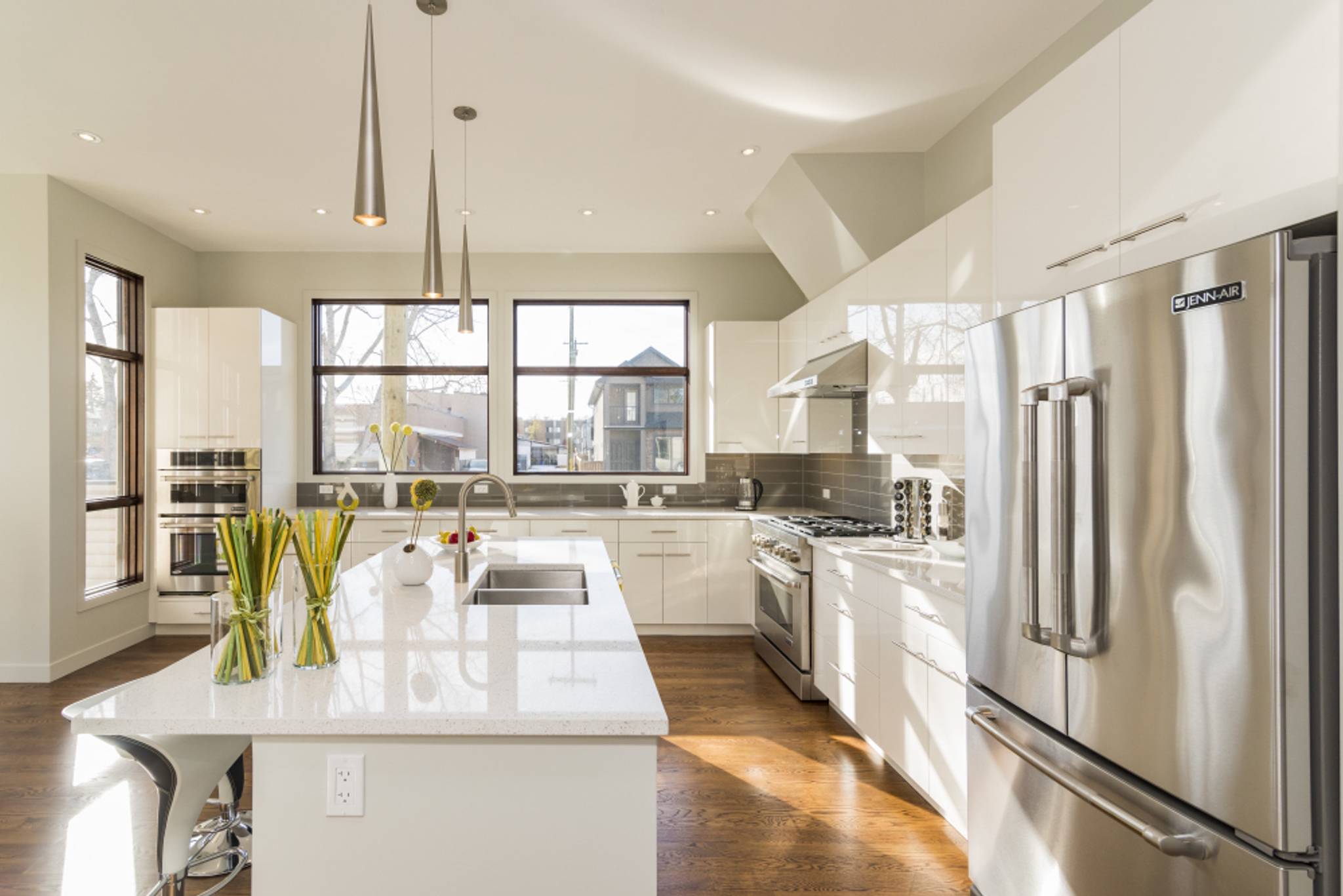
Kitchens photograph best when worktops are clear. Put away appliances, sponges, washing-up liquid, and anything “daily”.
A clear counter makes the kitchen feel bigger and cleaner, which helps potential buyers feel confident about the house.
17. The dining table: stage lightly
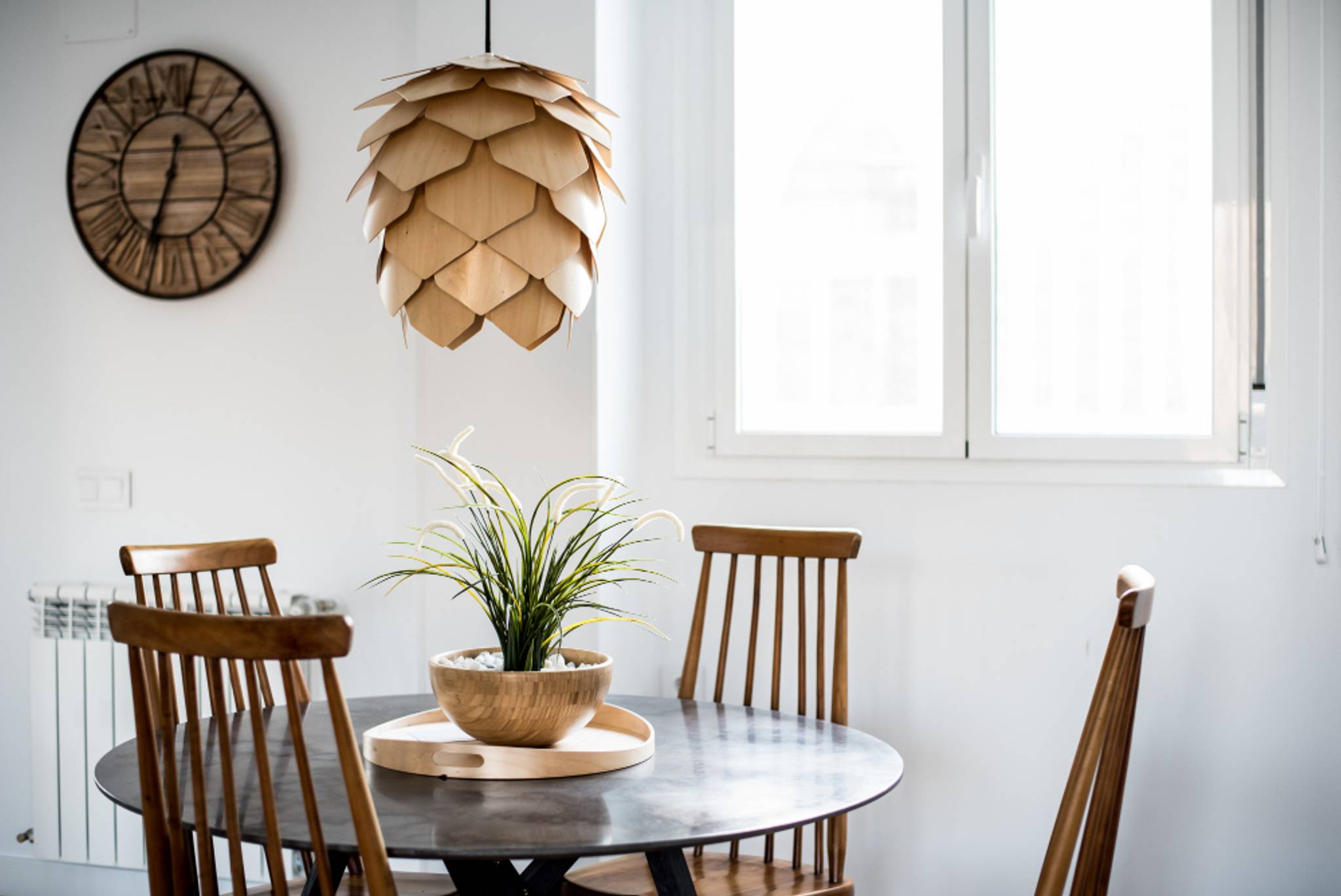
A dining table can sell the lifestyle, but keep it minimal. A simple centrepiece is enough.
Avoid tall arrangements that block sightlines. You want the room to feel open and spacious.
18. Bathrooms: make them feel fresh and low-effort
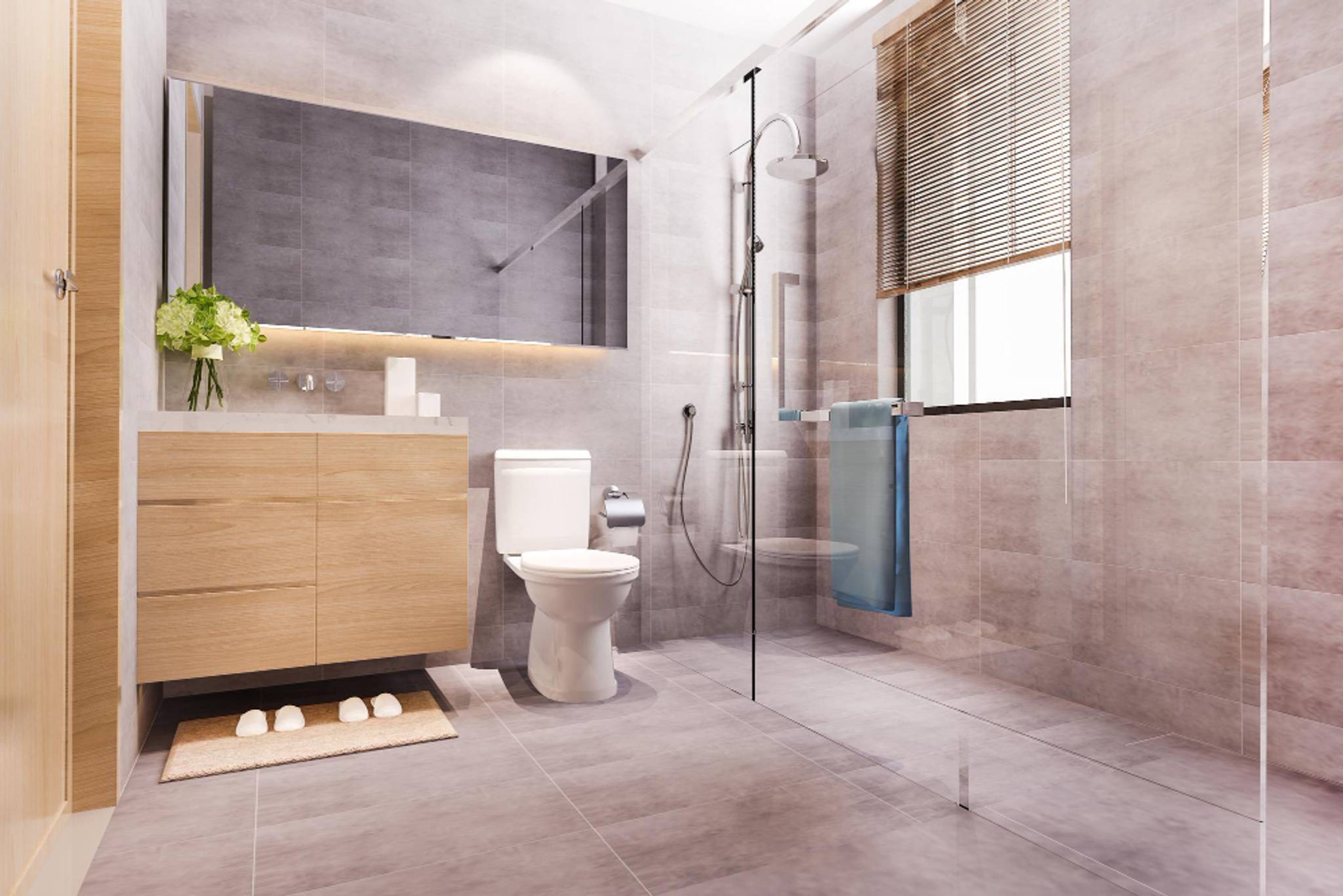
Bathrooms are high-scrutiny. Put toiletries away, replace tired towels, fix mouldy sealant, and make sure the room smells clean.
Fresh air beats heavy fragrance. If you do use a scent, keep it subtle and natural. A small vase of fresh flowers (or simple greenery) is a safe finishing touch.
19. Master bedroom: calm, clear, and hotel-simple
The master bedroom is one of the most important rooms in home staging. Clear surfaces, reduce extra furniture, and make the bed look intentional.
Crisp bed linen and balanced bedside lighting can create a big difference with very little spend.
20. Outdoor space: stage it like another room
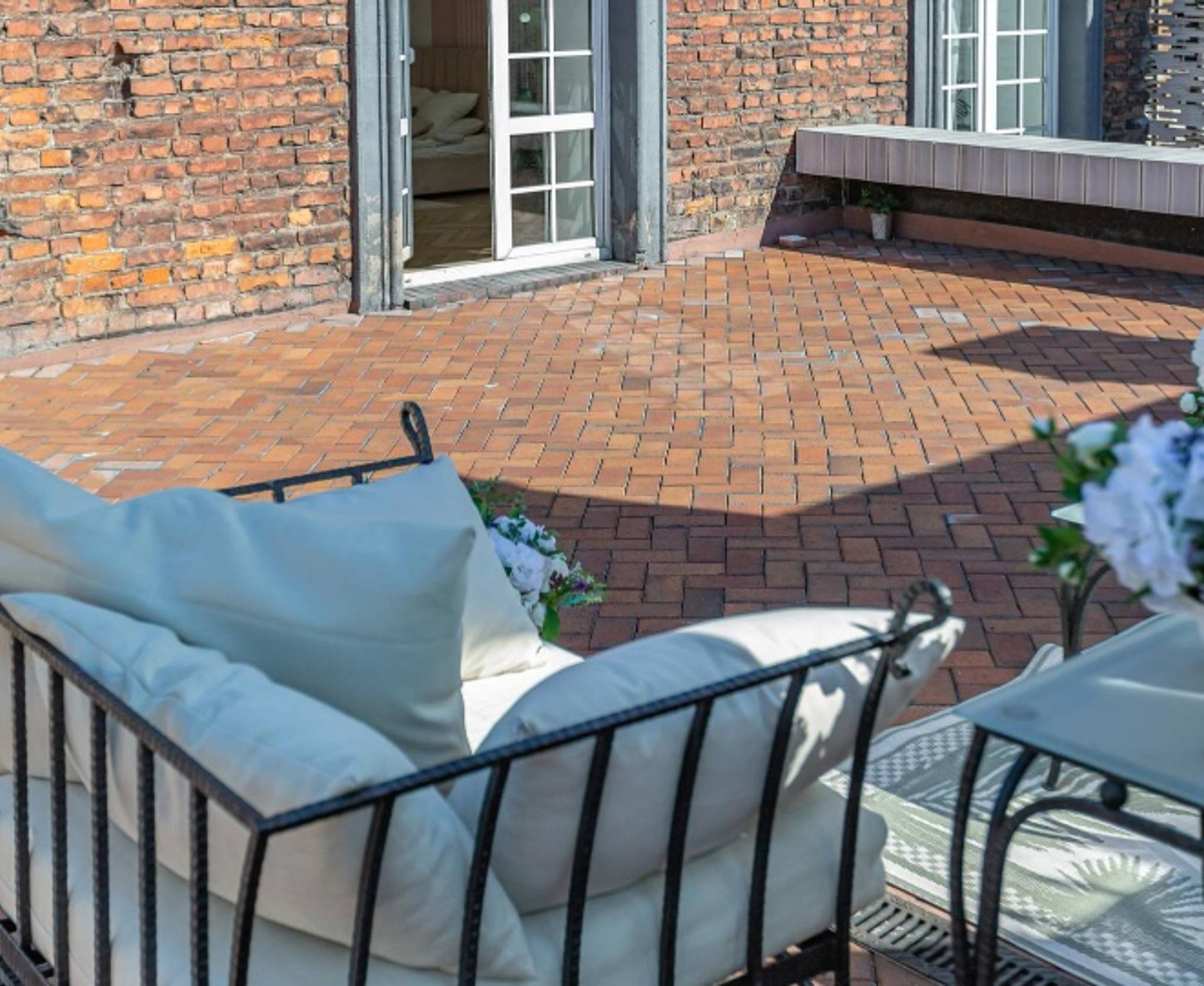
If you have a garden, balcony, or patio, treat it as usable space. Clean it, define areas, and add outdoor furniture if you have it. To soften the edges, add plants in pots near seating, but keep it tidy.
Even a small setup helps buyers picture summer evenings. It adds life, and it makes the property feel bigger.
What puts people off during viewings
If you want a quick sale at a higher price, avoid the things that trigger doubt or discomfort. These are the most common:
- Bad smells (pets, damp, stale cooking)
- Dirty kitchens and bathrooms
- Dark rooms with little light
- Excess clutter and cramped layouts
- Visible minor repairs left undone
- Too much personal style (hard to “move into” mentally)
These are exactly the areas where staging a house helps: it removes friction for buyers.
Is staging worth it, and what does it cost?
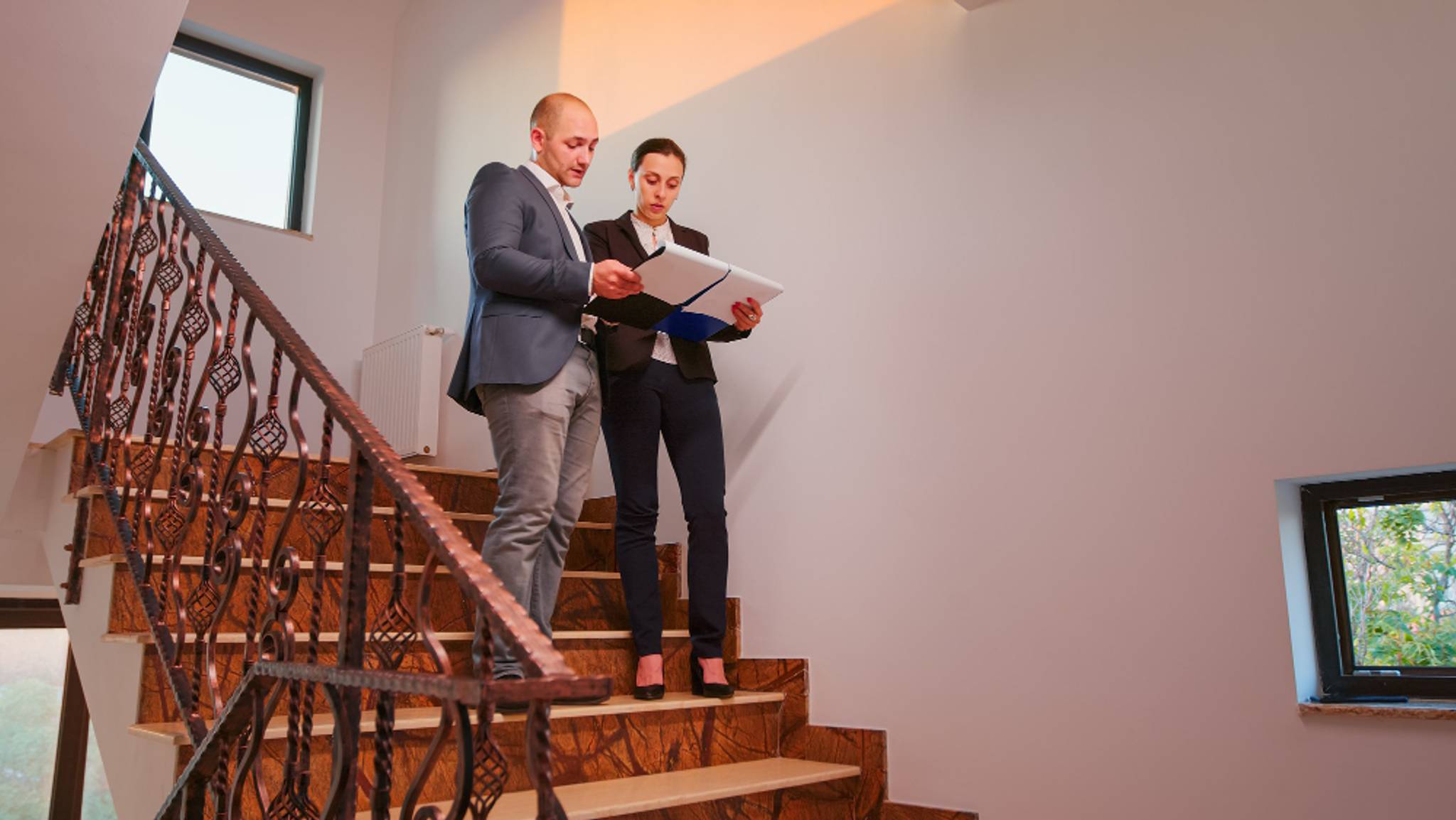
Is it worth staging a property for sale?
Often, yes, especially if you’re competing with similar properties. Home staging helps buyers visualise living there, and it can generate more interest from potential buyers.
In the NAR 2025 research, 83% of buyers’ agents said staging made it easier for buyers to visualise the property as a future home.
How much do professional home stagers cost in the UK?
It depends on how far you go. DIY staging is mostly time and materials (cleaning, paint, small upgrades). Professional staging varies by property size and scope, and furniture rental can add a monthly cost.
A sensible approach is “layered”: do DIY home staging first, then consider a consultation or selective furniture rental if your estate agent thinks it will move the needle.
Is home staging worth the cost?
It depends on the level of help you want and whether the property is furnished.
These prices are rough guides only; quotes vary by area, property size, scope, and how long items are hired for.
- Consultation + report: roughly £120–£295 for a 2–3 hour visit.
- Consultation-only benchmarks: around £250–£500.
- Staging a 1–2 bed (with furniture/accessories): roughly £1,500–£3,500.
- Staging a 3–4 bed: roughly £4,000–£8,000.
- Furniture rental: often monthly; some providers advertise from about £519/month and scale up.
A sensible approach is “layered”: start with DIY home staging, then pay for a consult or selective furniture rental if your estate agent thinks it’ll move the needle.
How HOLD helps your home staging process

Staging works best when your space feels calm and open, not packed edge-to-edge. HOLD Self Storage can help you get there without throwing things away.
Pop spare furniture, seasonal items, and packed boxes into one of our secure storage units so rooms feel more spacious and viewing-ready. Flexible contracts, free 24-hour access, and a price match within 3 miles; experience next-gen storage solutions tailored for moving house, renovating and decluttering.
Frequently Asked Questions
From a buyer’s point of view, the biggest value drops usually come from “risk signals”: damp or mould, neglected maintenance, obvious structural concerns, and poor presentation that suggests the property hasn’t been cared for. Overpricing versus similar properties can also reduce interest quickly.
The biggest home staging mistakes are:
- Leaving excess clutter and too much furniture
- Blocking natural light
- Ignoring curb appeal and first impression
- Leaving personal items everywhere
- Skipping deep clean and minor repairs
- Staging rooms with no clear purpose
Bad smells, dirt, dark rooms, cramped layouts, obvious minor repairs, and anything off-putting that suggests future hassle. A well-staged home feels clean, bright, and easy to imagine living in.
Rightmove says that for a sales property to be sent out in instant alerts and appear as “new”, the property needs a marketing break (removed from the site) of 14 weeks or more.
Seasonality varies, but Rightmove’s seller guidance notes that November and December tend to be slower months for selling because buyers are often distracted and winter light is less flattering for viewings.
Rightmove’s separate analysis also highlights February and March as particularly strong months to list, based on the likelihood of finding a buyer.
If staging helps you attract more potential buyers, reduce time on market, or avoid price reductions, it’s usually worth it. Start with DIY home staging first, then spend only where it improves light, cleanliness, and how rooms feel.
Do the highest-impact steps: deep clean, declutter, maximise light, fix minor repairs, and stage the most important rooms first. If clutter is the blocker, use a storage unit to free up space quickly.