

Finding cheap storage can feel like a numbers game, but it’s really a decision game. Lots of customers chase the lowest headline rate, then discover the real bill includes extras. Another common misconception is that bigger space is better value, when it often becomes wasted space you pay for monthly.
How to find cheap self storage checklist
Choose the smallest unit that fits your items and stack vertically to avoid wasted space.
Get an itemised monthly total that includes VAT, protection, and any admin fees.
Confirm what you’ll pay after any introductory pricing ends and when it changes.
Compare one nearby option with one outside city centres to spot cheaper storage prices.
Check minimum stay, notice period, and access rules so you don’t pay extra months.
Verify the basics on security, cleanliness, and moisture risk before you commit.
Want a lower price for London storage without compromising on access or security? HOLD Self Storage will price match within 3 miles. New customers get 50% off for up to 8 weeks, with free 24/7 PIN access.
What is long term storage?
Long-term storage is storage you rent for months, not just a few weeks. That could be a self storage unit you access yourself, or a service that collects and returns items.
It matters because introductory prices often change, and terms can affect the total cost. One exception is frequent access, where travel and time can outweigh savings.
How much does long term storage cost in the UK in 2026?
In the UK, long term storage is usually priced weekly or monthly, and the “real” cost comes down to unit size, location, and how pricing changes after any introductory offer.
As a broad benchmark, the SSA UK Annual Industry Report 2025 says revenue per square foot rose 6% to £29.13 based on 2024 data, which is roughly £2.43 per square foot per month if you divide by 12, before VAT.
Read our self storage prices guide for a detailed insight into the latest UK storage costs.
What drives the price of long term storage?
- Unit size: The biggest lever. Too large means paid-for wasted space.
- Location: London and busy city centres cost more. Suburban or rural sites are usually cheaper.
- Unit type: Indoor self storage can suit delicate items. Containerised storage is often more affordable. Climate-controlled options vary by provider.
- Access and convenience: Longer hours, lifts, and loading bays may cost extra. Frequent visits add transport costs.
- Term and demand: Intro deals often rise to standard pricing. Longer stays can reduce rates if terms suit you.
How to get cheaper long term storage without compromising

Step 1: Reduce what you store before you rent
Start with your belongings and be ruthless about what’s actually worth storing. Selling, gifting, or recycling can drop you a whole unit size and save you money fast.
If you’ve got a garage or cupboard space, reclaim it first. Even a small rework can replace paid storage for tools or bulky items.
Step 2: Choose the right unit size with a quick method
List your biggest furniture first, then count boxes, then estimate how many van loads you’ve got. It’s a simple way to match your storage needs to a realistic unit size.
As a quick sense check, picture a bedroom worth of items, then scale up or down from there. Storage units come in a wide range, so this keeps you from overbuying space.
Need more help? Check out our storage unit size guide or watch the video below.
Step 3: Pack for height so you rent less space
Plan to stack vertically, not spread out, and use shelving if you can. Keep heavier boxes low, lighter boxes high, and leave a small path for access.
Try to use similar-sized boxes, because they stack cleanly and reduce wasted space. Good packing materials help too, because strong boxes don’t crush and create gaps.
Read our stacking guide for top tips on storage unit organisation.
Step 4: Compare prices like for like, not headline deals
Start online to get a baseline, then ask the same questions every time. Use a storage unit online quote if it’s available, because it keeps the comparison consistent.
Enter your postcode, pull three quotes from nearby storage facilities, then widen the radius to catch cheaper areas. When you compare prices, insist on the all-in monthly total with VAT, protection, and any admin fees itemised.
If you’re shortlisting options quickly, focus on what you actually need to store. Book online once the itemised total checks out, then keep the quote confirmation.
Step 5: Use long-stay discounts only when your timeline is stable
Long term storage discounts can be great, but only if you’re genuinely staying put. If you’re confident you’ll rent for 6 or 12 months, ask about prepay options and what happens if you leave early.
Also ask what you’ll pay after any introductory rate ends, because that’s where affordability can change. Getting that in writing helps you avoid surprises.
Step 6: Trade a prime location for cheaper rent, then plan transport
If you don’t need weekly visits, look outside city centres. Suburban locations are often cheaper, and the savings can outweigh a slightly longer trip.
Check the journey before you commit, especially if you’ll use public transport. A cheap unit that’s a hassle to reach can stop feeling like a deal.
Step 7: Use smaller-volume services when a full unit is overkill
If you’re mainly storing boxes, a full storage unit can be more than you need. A by-the-box option can work out cheaper, especially if the service can collect and deliver items back later.
This route can be a perfect solution if you’ve only got one box or a few boxes and you won’t need frequent access. It’s also a smart way to test storage solutions before you commit to a full unit.
Hidden costs that can make long term storage expensive
The headline price is rarely the whole story, so do a quick scan for add-ons before you pay. Ask for an itemised total and check these common extras.
- VAT not included in the headline pricing.
- Protection or insurance required, priced by replacement value of your stored items.
- Admin fees, setup fees, or ID checks added at checkout.
- Lock purchases or “approved lock” rules creating extra cost.
- Minimum notice periods or minimum stay rules that extend what you pay.
- Post-offer pricing jumps after an introductory rate ends.
- Access charges for extended hours, easy access, or extra visits.
- Delivery and collection fees, especially with services that collect and deliver.
- Packing materials you suddenly need, like boxes, tape, and wrap.
- Transport costs if the location is cheap but far from your door. Cheap vs safe, the minimum standard checklist
Cheapest options by use case
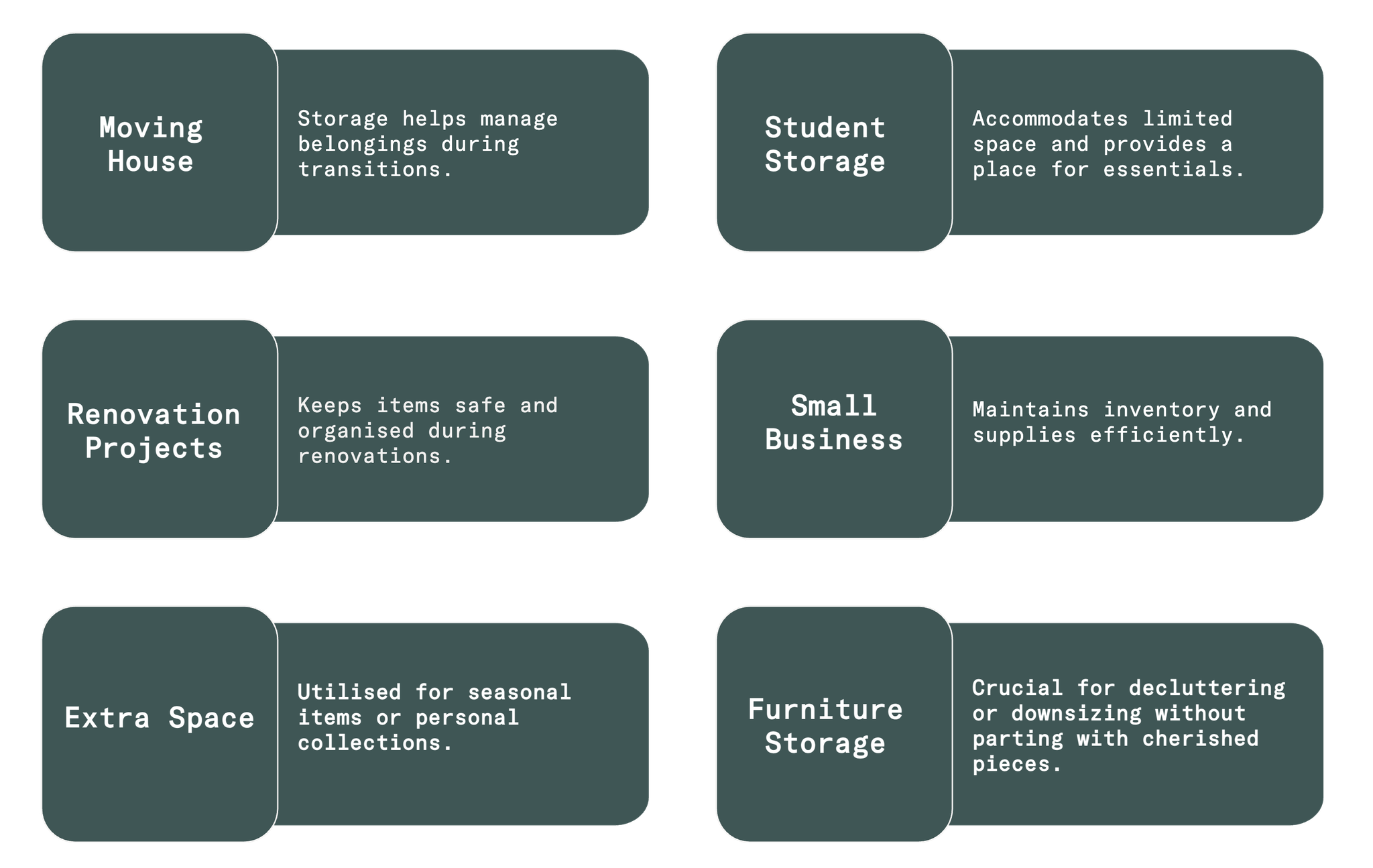
If you’re moving house with uncertain dates
Moving house often slips, so flexible terms matter. Month-to-month temporary storage can reduce risk if completion changes, and it stops you overpaying.
If you’re moving home across town, keep access realistic. A cheaper unit is no bargain if the trip drains your weekend.
Get 50% off and a price match on moving house storage that fits your lifestyle.
If you’re a student storing between terms
Self-storage is ideal for holiday storage, and it can simplify the end-of-term rush. Compare a small locker against by-the-box pricing, especially if you mainly have boxes.
If you use a collection service, check how quickly they can deliver your items back. That matters when deadlines change.
Get 50% off and a price match for student storage in London.
If you’re storing furniture during renovations
Self-storage is perfect for storing large furniture like beds, sofas, and tables. Measure big pieces first, because furniture eats room faster than people expect.
Pack soft furniture carefully, and keep it off the floor. That helps you keep the room clean and the cost controlled.
Get 50% off and a price match for tailored furniture and renovation storage in London.
If you run a small business
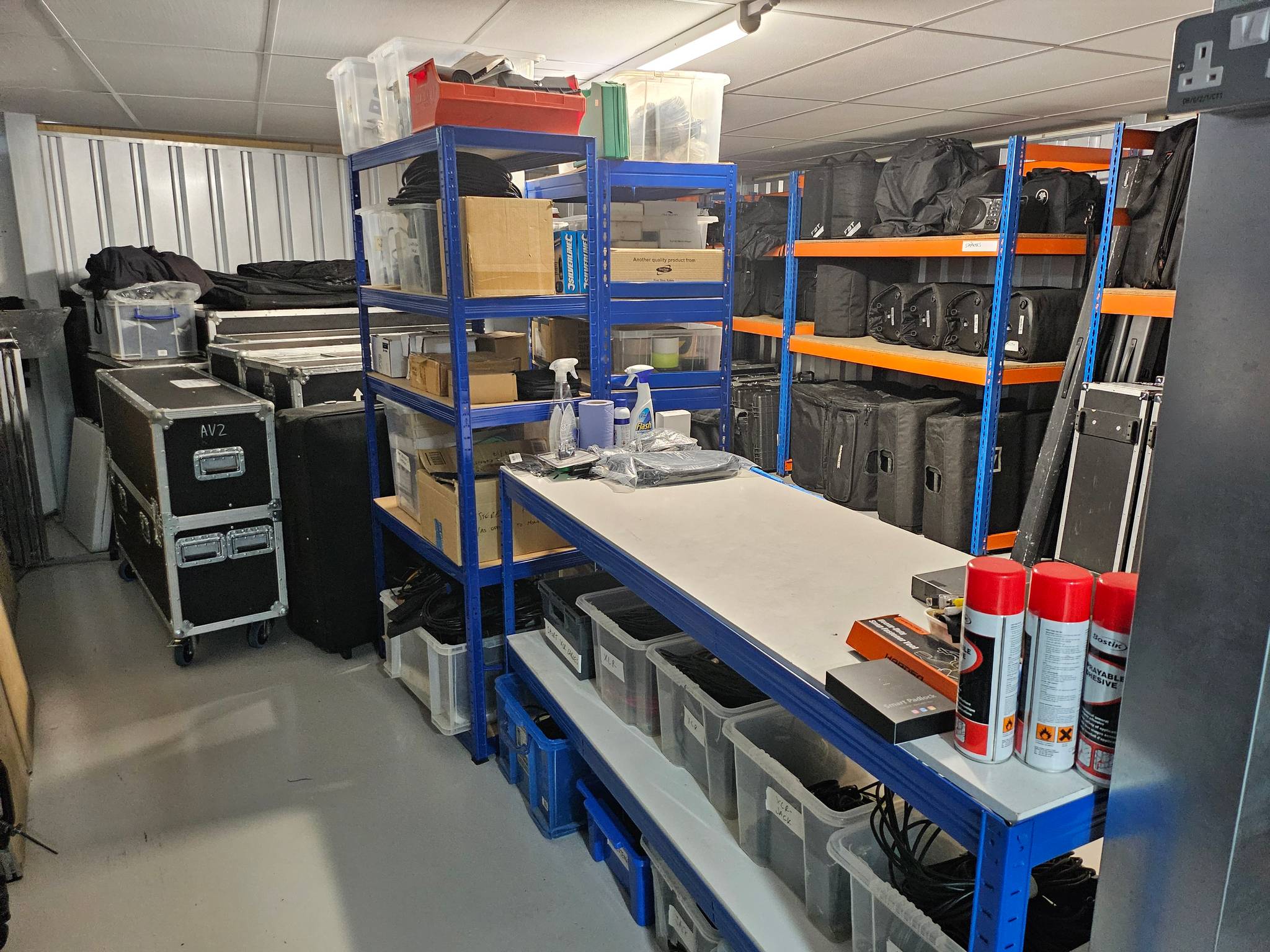
Self-storage offers convenient storage for business stock, equipment, or archive boxes. Ask whether suppliers can deliver to the site, and whether staff can accept a delivery.
Also ask about access hours, because business needs often don’t match office hours. The right unit for business is the one you can reach when you need it.
HOLD offers premium business storage solutions with free 24-hour access, workrooms, mailbox rental; we can also receive deliveries on your behalf.
If you just need extra space for low-use items
Peer-to-peer storage platforms match people with extra space to renters, often at lower rates than commercial storage companies. It can be cheaper, but read the access rules carefully.
If you choose peer storage, confirm how you’ll load and what happens at the door. Some hosts will want notice before each visit.
Comparing providers, a like-for-like checklist
Before you decide, bring every quote onto the same page. This is how you make storage easy, and it’s the fastest way to spot hidden fees. Use the checklist below and keep every comparison like-for-like.
What to check | What to ask for | Why it affects cost |
|---|---|---|
Itemised quote | All-in monthly total, including VAT | Prevents hidden fees creeping in |
Insurance or protection | Required level tied to replacement value | Often a major monthly add-on |
Admin fees | Setup, ID, or paperwork charges | Small charges add up over time |
Access | Hours, limits, any paid upgrades | Convenience can become an extra cost |
Notice and minimum stay | End date rules and lead time | Avoids paying for unused months |
Security standards | Entry controls, CCTV, lighting, alarms | Keeps stored items safe and secure |
Proof rules for guarantees | Matching criteria and required evidence | Helps you compare prices fairly |
Collection and delivery | Fees, lead times, and limits | Impacts total cost and convenience |
Once you’ve got like-for-like totals, pick the best balance of secure, access, and location. Then book online, and keep the quote email for reference.
If you need more help choosing the right unit, this guide explains how much storage space you need.
Conclusion and next step
The cheapest long term storage comes down to three things: right sizing, right location, and a clear total.
Get the smallest unit that fits, then avoid expensive hotspots where you can. After that, protect yourself from surprises by asking for itemised pricing that includes VAT, insurance, and fees.
Next, enter your postcode, shortlist three storage providers, and compare prices using the same checklist. When the totals match your budget, book online and move your belongings in with confidence.
Secure self storage in London at competitive rates
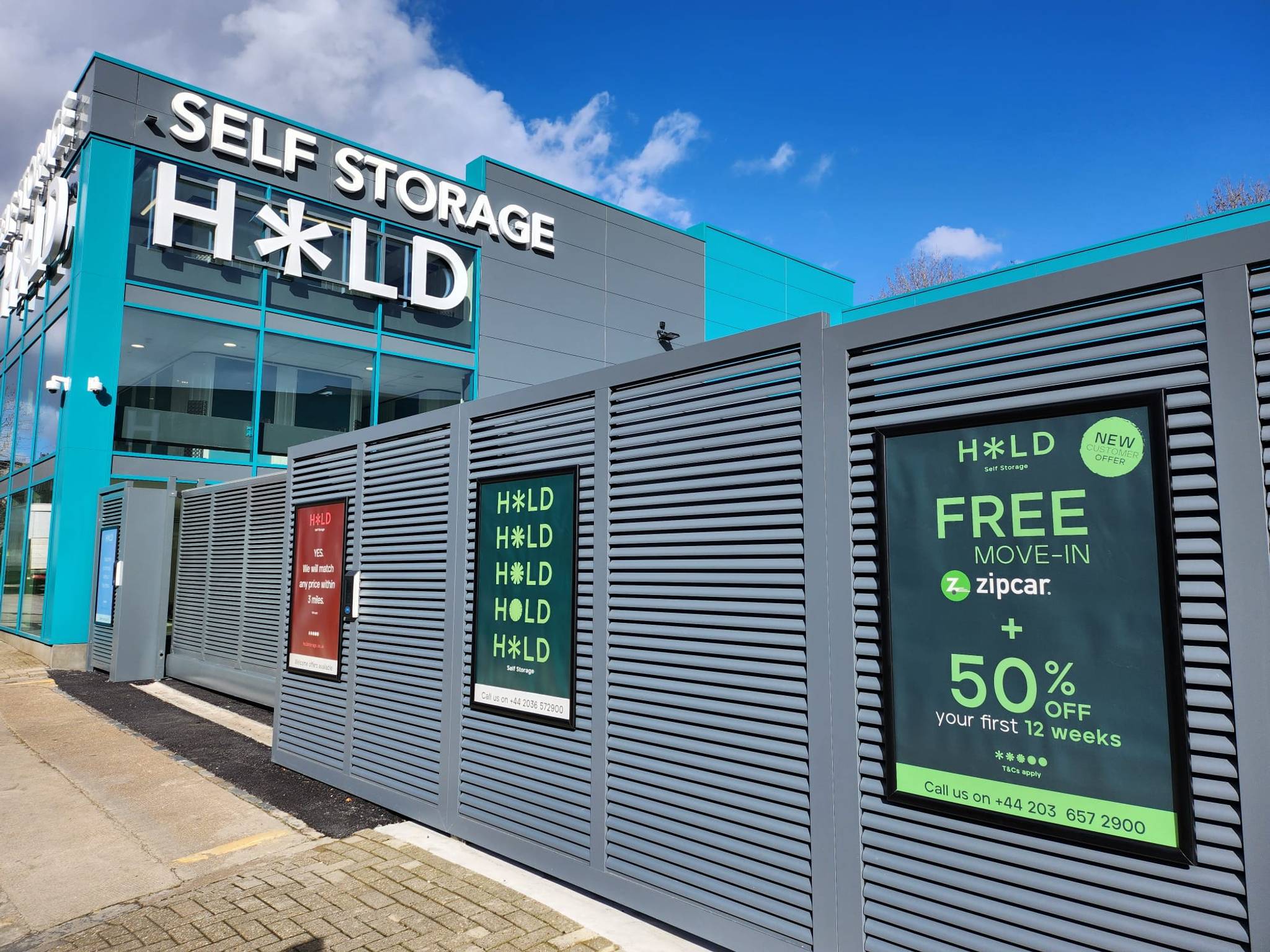
If you want great value without guesswork, get a quote from HOLD Self Storage. We'll price-match a better-value local quote within 3 miles. From business to personal, all HOLD units come with free 24-hour access (on request), are individually alarmed, and backed by 24-hour CCTV.
Frequently Asked Questions
If you’ve only got boxes and other small stuff and you won’t need regular access, by-the-box services can be very cost effective. If you’ve got furniture or you’ll visit often, a small self storage unit is usually better value than larger units.
Start with a storage unit online quote, then widen the radius and check a nearby area outside city centres. Compare like-for-like totals across self storage facilities, not just the headline price. A storage expert at the facility can often confirm the right size.
HOLD Self Storage offers a guaranteed price match within 3 miles of its Kings Cross facility.
Because the headline price often excludes VAT and other add-ons. Common extras include insurance based on replacement value, admin fees, and price changes after the intro period. Ask for transparent pricing and an itemised monthly total before you book.
It all depends on the size of the storage unit you need and for how long you stay with us.
We offer 50% discount for new customers and a price match guarantee within 3 miles.
To find out a price, get a free quote online.
HOLD has advanced security measures that protect for our customers' business assets. These include:
- 24-hour CCTV
- Burglar alarms
- Regular checks
- Personal pin codes
- Individually alarmed units
- Fire detection systems
These features not only provide peace of mind, but also protect your business assets from potential threats.