
Key takeaways
Bed bugs live longest in stable, cooler temperatures and higher humidity.
Adult bed bugs can survive months without a blood meal.
Female bed bugs can lay hundreds of eggs over their lifetime.
Clothes, bedding, and furniture seams are common hiding places.
If you suspect an infestation, seek professional help early.
What are bed bugs?
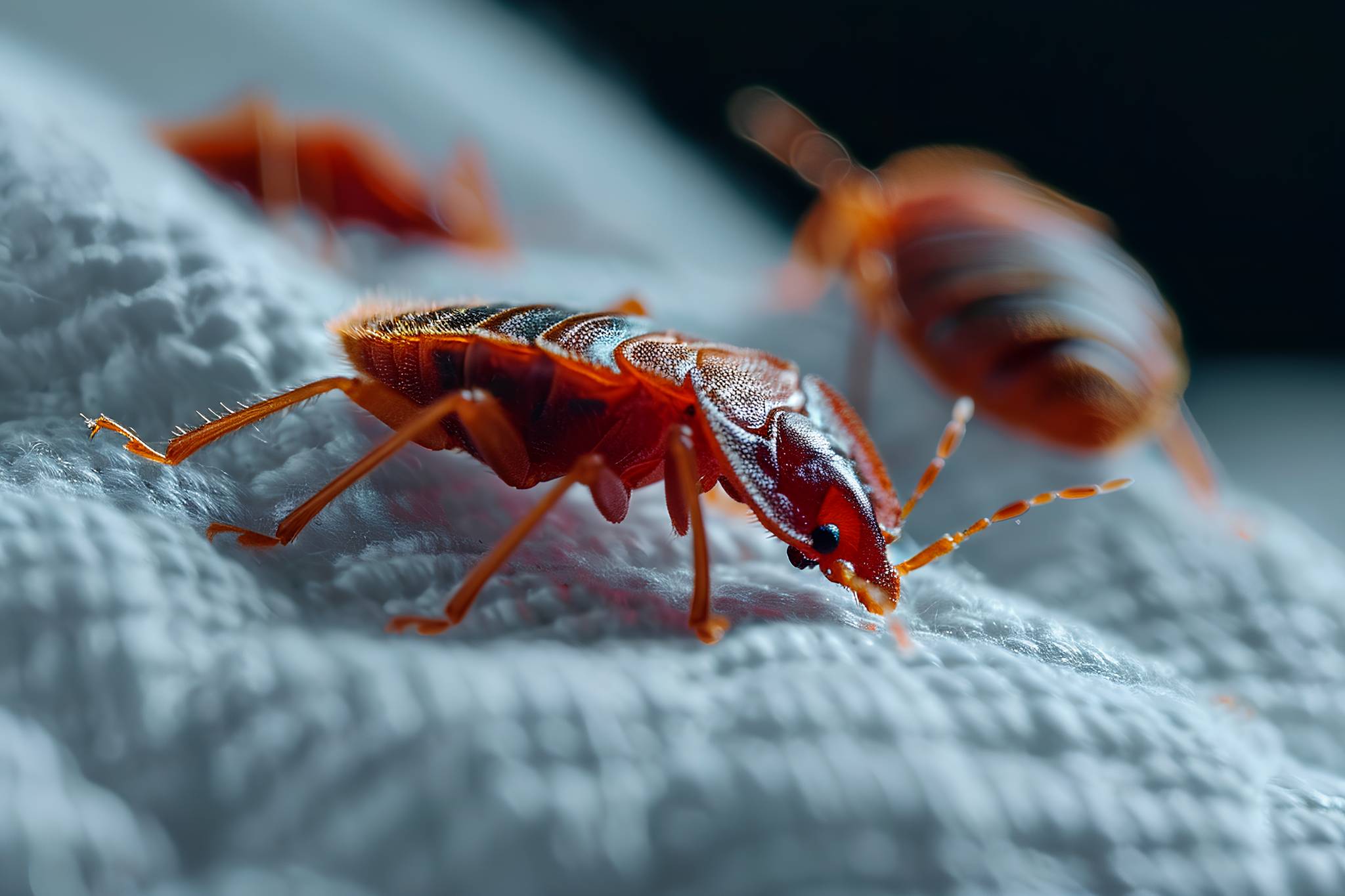
Bed bugs are small insects that feed on blood; their main food source is human blood, though they can also feed on other animals. An adult bed bug is often compared to an apple seed in size. They hide near where people rest, which is why they’re commonly found around beds, bed frames, mattresses, and soft furniture.
Bed bug bites can be itchy, but bites aren’t a reliable way to confirm an infestation. Different people react differently, and other insects can cause similar bites.
Bed bug life cycle: Why infestations grow fast
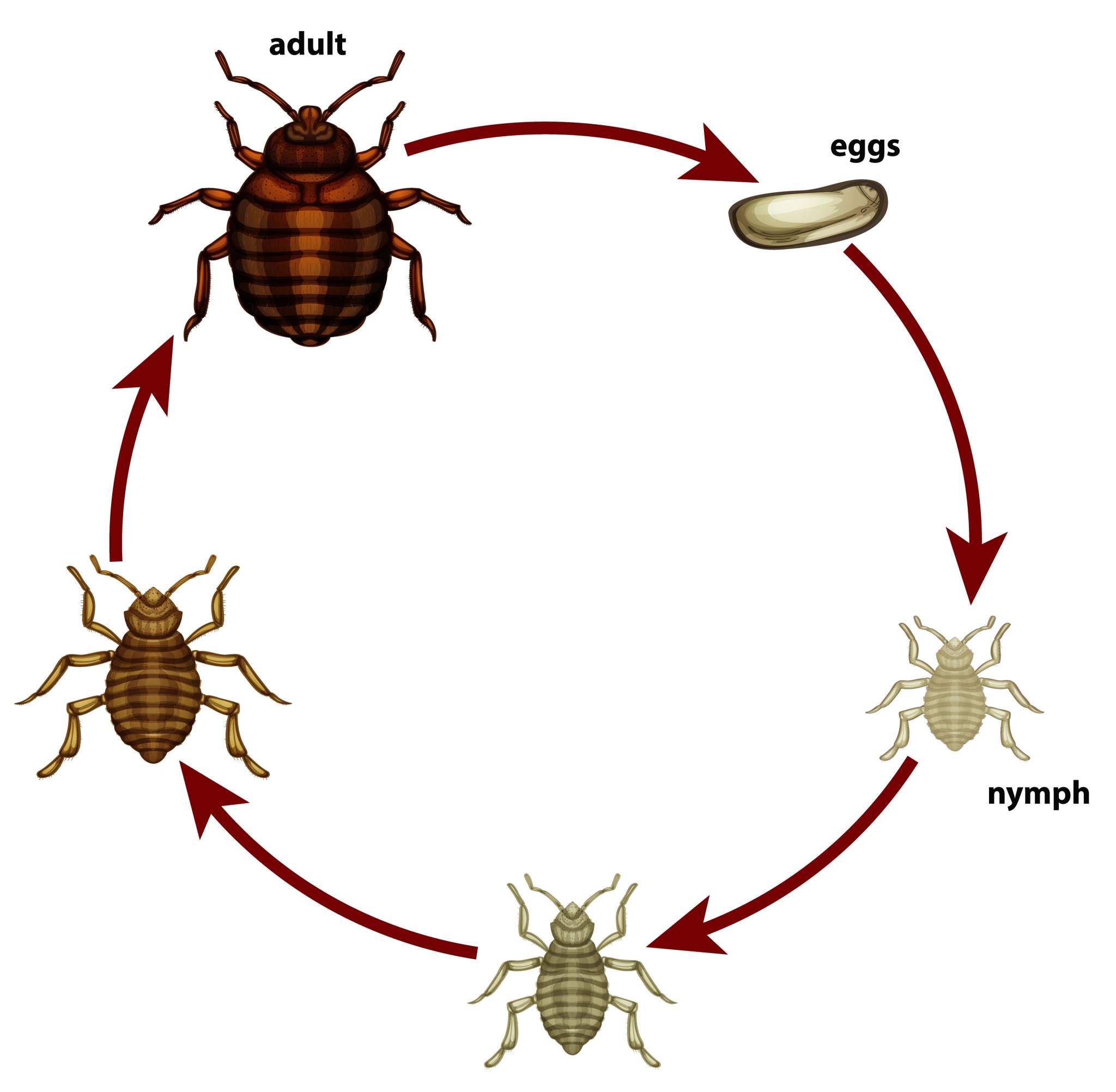
The bed bug life cycle goes: eggs, five nymph stages (immature bugs), then adults. That means there are different stages to tackle, and each stage behaves slightly differently. Each nymph needs a blood meal before it can moult to the next stage.
Female bed bugs can lay between one and five eggs a day and may lay hundreds over their lifetime. Bed bug eggs usually hatch in 6–10 days, depending on temperature. Under optimal conditions, they can go from egg to adult in roughly 21 days.
That’s why a small issue can turn into a severe infestation surprisingly quickly. With regular feeding, females produce more eggs, which is why small problems can escalate quickly.
How long do bed bugs live?
Under ideal conditions, bed bugs can live for about 10 to 12 months. Without feeding, they eventually die; at typical room temperature, starved bed bugs often die within around 70 days.
In cooler temperatures, they can survive longer without feeding. Colder environments slow them down, sometimes pushing them into a dormant state during extended periods without a blood meal.
Can bed bugs survive in storage?
Yes. Storage doesn’t create bed bugs, but it can keep them alive. If infested items go into storage, bugs can hide inside furniture, clothing, boxes, and mattresses.
With plenty of hiding places and the right temperature, they can survive for a long period even without feeding. In practical terms, they can still be present after over four months, depending on conditions. This is why treating items matters more than simply waiting.
What affects how long bed bugs survive in storage?
Temperature
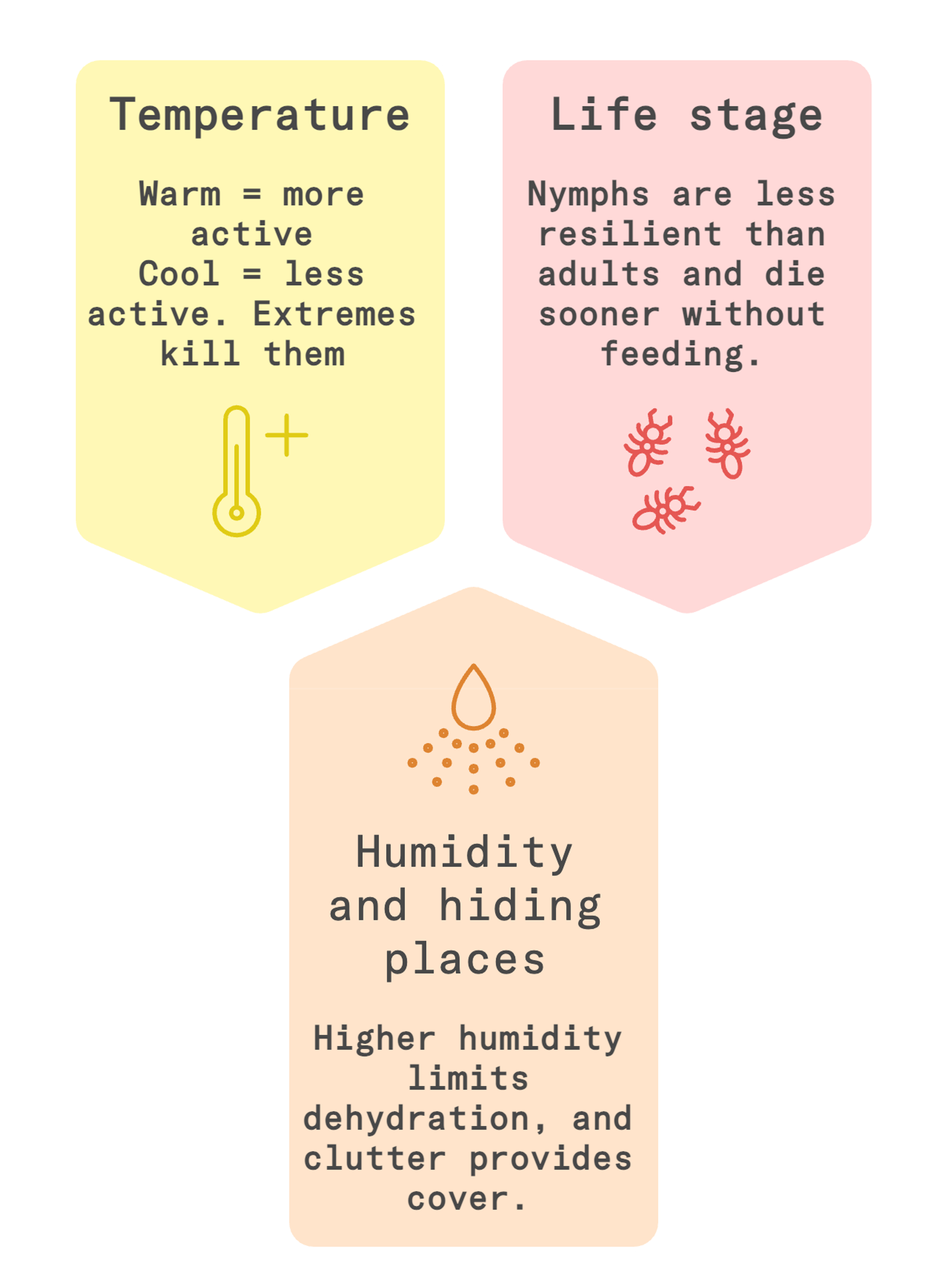
Temperature is the biggest factor. Warmer temperatures (roughly 21°C to 32°C) support bed bug activity and reproduction if a food source is available.
Cooler temperatures reduce activity and can help bugs live longer without feeding.
Extreme temperatures can kill them. Sustained high temperatures can eliminate bed bugs, including eggs, and deep freezing can also work if applied for long enough.
These approaches are tricky to apply consistently to bulky items, which is why people often choose pest control.
Humidity and hiding places
Higher humidity can help bed bugs survive by reducing dehydration. Cluttered items and tight crevices also help; bugs can cluster together and stay protected.
Life stage
Immature bed bugs are often less resilient than adults. A young bed bug may die within a few weeks to a couple of months without a blood meal, while adult bed bugs can last longer.
Get a price match for clean, secure self storage in London.
How long do bed bugs live on clothes?

Bed bugs don’t feed on fabric, but clothes are full of hiding places; seams, cuffs, pockets, and folds. If clothing is among infested items, bugs can survive on it long enough to spread back into a house later. In cooler temperatures, they may last longer.
If you’re worried about bed bugs on clothes, treat before storage. According to NHS guidance, heat-safe items are usually best handled with a 60°C wash and a hot tumble dry for at least 30 minutes
Then store clean clothes in sealed bags or, better yet, hard plastic bins with tight lids. A plastic bag can tear; a rigid bin is more reliable. If you suspect bed bugs, seal clothing before you carry it through the house.
Where bed bugs hide in stored belongings
Common hiding spots include:
- Mattress seams and labels
- Bed frames and joints
- Sofa seams
- Folds in clothing and bedding
- The edges of cardboard boxes
If you find one, assume there may be other bed bugs close by, even if you can’t see them yet. We recommend sliding a credit card into a gap, as bed bugs can often hide there.
How to reduce the risk when storing items
Start with an inspection, especially for furniture and anything that’s been near beds. Look for live bugs, dark spotting, shed skins, and eggs. You might also spot shed skin caught in seams or folds.
Pack to contain. Hard plastic bins with tight lids help. If you use bags, double-bag and seal well. Keep treated items separate from untreated ones.
Avoid storing food. Bed bugs feed on blood, not food, but food can attract other pests and make problems harder to manage.
If you’re storing for a long period, do occasional checks. Catching a bed bug problem early is much easier than dealing with a full infestation later. A quick weekly check is usually enough to catch issues before they spread.
Clean, secure self storage in central London

Nestled in the heart of Kings Cross, HOLD Self Storage is redifining how Londoners store. We offer a wide range of clean, secure storage units that are regularly inspected and backed by 24-hour CCTV.
Whether you need business solutions or are moving house, we tailor storage to fit your needs, from a few boxes to bulkier items. With HOLD, you get free 24-hour access, no fixed contracts, and a friendly team that’s here if you need a hand choosing the right space.
Get an free quote today and get 50% off for the first 8 weeks and a price match within 3 miles.
Adult bed bugs can survive for several months without a blood meal in some conditions. At typical room temperature, starved bed bugs often die within around 70 days; cooler temperatures can help them last longer, especially if they enter a dormant state.
Eggs hatch in around 6–10 days, depending on temperature. In cooler temperatures, hatching can take longer.
How long can bed bugs survive depends on temperature, humidity, and hiding places inside what you’re storing. Under optimal conditions, a bed bug infestation can persist in stored items for months, even if the space feels unused.
Bed bugs don’t feed on fabric, but they can hide in seams, cuffs, pockets, and folds for weeks or even months. How long they last on clothes depends on temperature and whether they can reach a blood meal; in cooler conditions they can persist longer, which is why it’s best to treat clothing before storing or bringing it back into the house.
Yes. Sealing can contain bugs, but it doesn’t reliably kill them; they can survive sealed up for a long period, especially in cooler temperatures.
Heat and deep cold can kill bed bugs, including eggs, if applied correctly for long enough. For bulky items, pest control is often the safest option to rid your belongings of bugs across different stages.
If you see signs of infestation or you keep getting bites, get professional help sooner rather than later. Bed bugs spread easily, and early action is the best way to rid them.
All our facilities are regularly inspected and cleaned to ensure they are maintained to the highest standards. This includes frequent checks to uphold cleanliness, security, and overall quality, providing you with a safe and well-maintained environment for your belongings.